Unlock RDNA 3 power: FSR 4.1 transforms gaming visuals
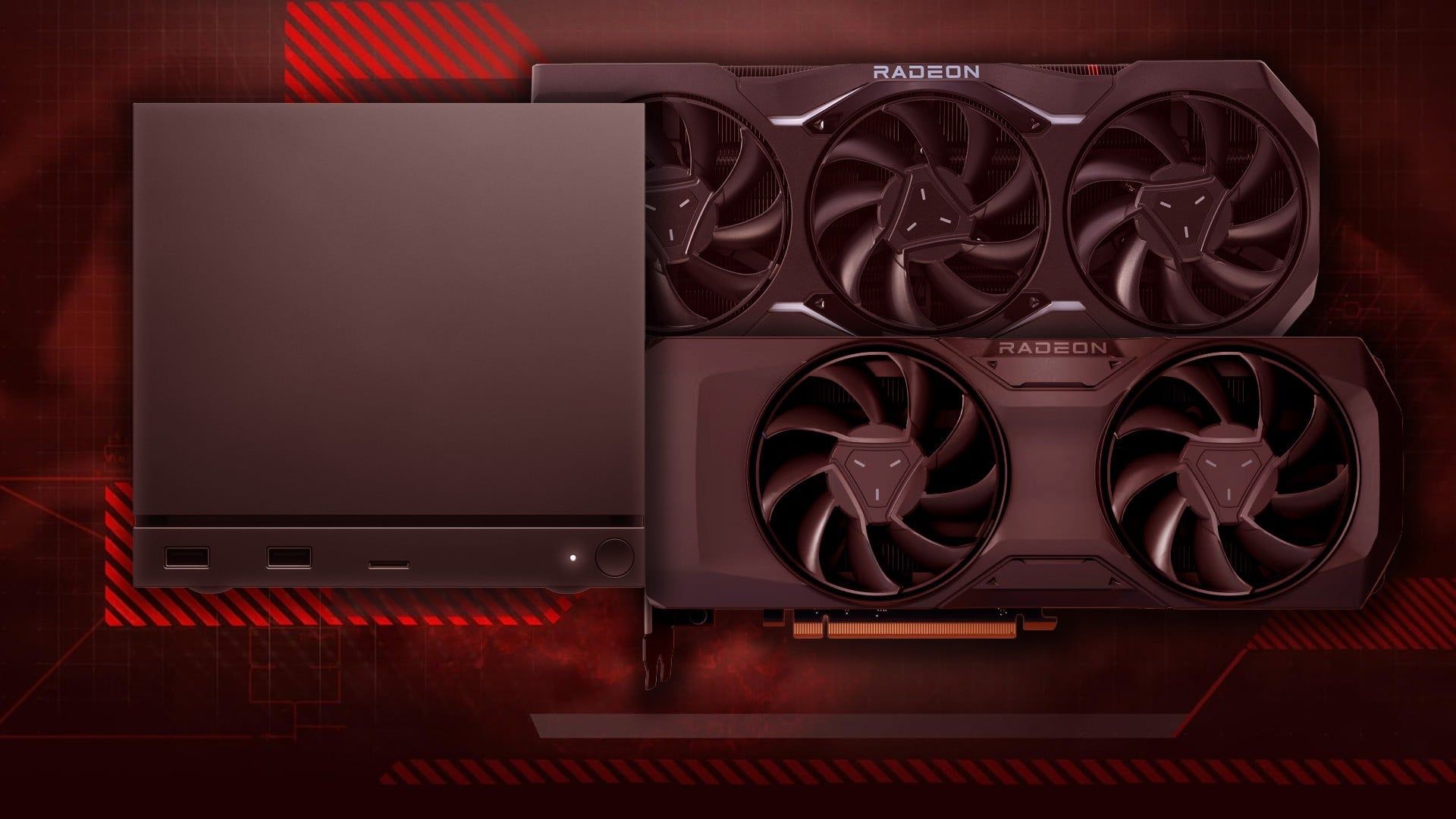
The world of graphics resolution is constantly evolving, and AMD is leading the charge with the release of FSR 4.1 super resolution technology for its RDNA 3 graphics cards. This development immediately opens up fascinating avenues for testing how this machine learning-based technique performs across the new RX 7000 stack.
But the story doesn’t end there. What makes this technical shift truly intriguing is the parallel existence of Valve’s Steam Machine, which shares the same underlying GPU architecture. This connection creates a unique testing ground for evaluating the practical utility of FSR 4.1 and RDNA 3 across different platforms.
In fact, there was an immediate convergence of events. As soon as AMD officially released native FSR 4 titles, those games immediately worked on the Valve mini-PC/console. This seamless compatibility suggests that hardware and software ecosystems are beginning to harmonize in exciting new ways.
This setup allows enthusiasts and developers to probe a critical question: To what extent is this advanced technology genuinely useful on newer, more powerful machines like the RX 7000? And what broader implications does the RDNA 3 architecture hold for future graphics innovation?
The synergy between AMD’s cutting-edge technology and open-source gaming platforms like Steam is redefining how we approach performance. It’s not just about raw horsepower; it’s about maximizing the potential of the entire hardware and software environment.
Buy on Amazon
Credit