US console market is worst since the early 80s
The High Cost of Gaming: How Supply Chains Are Pricing the Next Console Generation
For anyone watching the console market, the recent price hikes are anything but subtle. It is no surprise that the cost of a new gaming machine has soared over the last year, but the true story behind these sharp increases is rooted in complex global supply chains and economic pressures.
The game-changing rise in prices for major consoles—from Sony to Microsoft to Nintendo—is largely the result of a perfect storm: persistent RAM shortages coupled with tariff-driven increases in hardware costs. These systemic issues have forced manufacturers to adjust pricing significantly in less than two years.
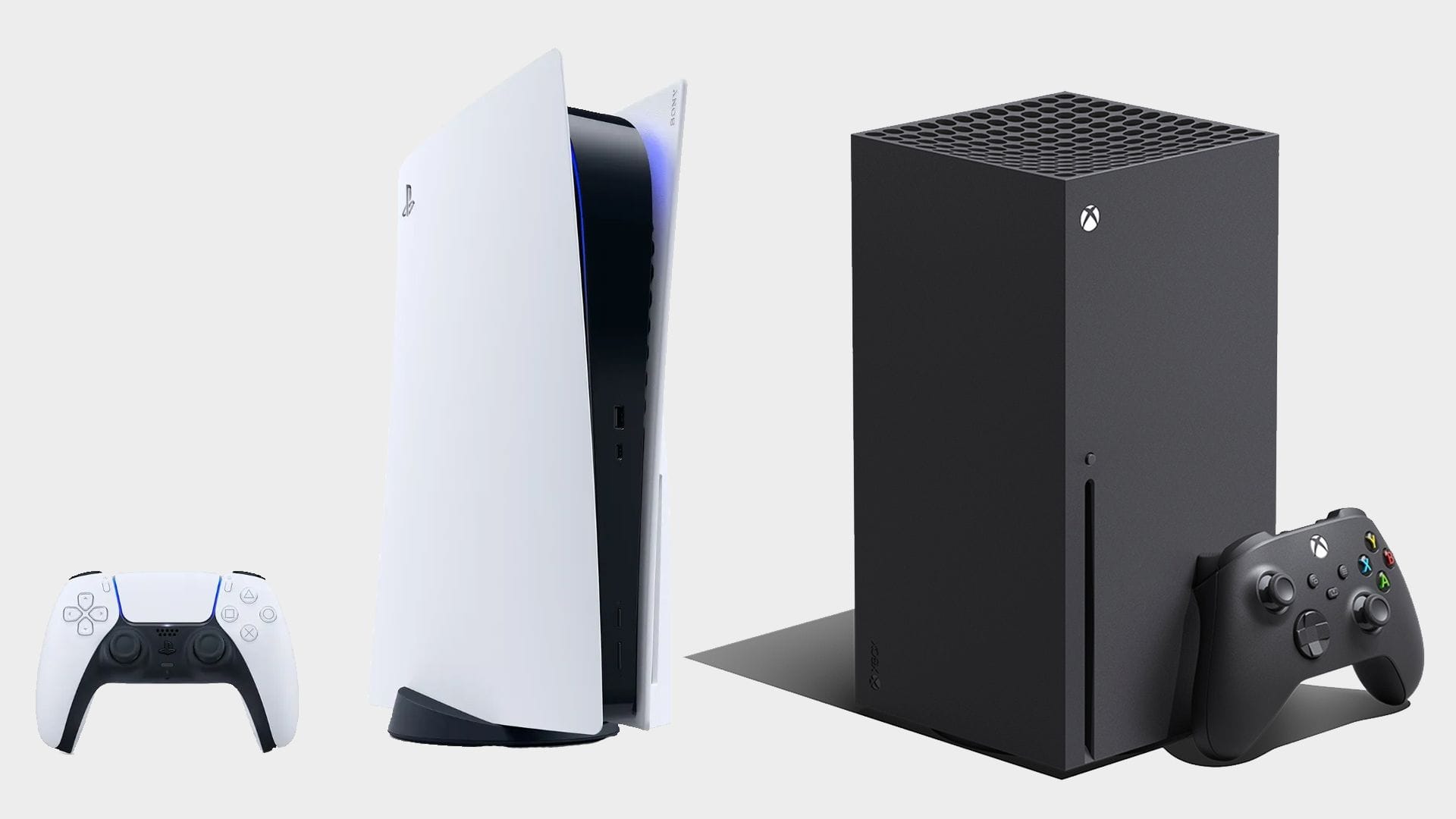
The numbers tell a stark story of consumer pain. For instance, a new PlayStation 5 Pro commands a price tag around $900, while the disc version of the Xbox Series X is now priced at $800. Nintendo’s own system pricing reflects similar pressures, requiring consumers to drop hundreds of dollars on base models of current-generation systems.
Industry analysis reveals that this inflation has directly impacted sales figures. Data indicates that these price increases have led to noticeably slowed sales for both Sony and Microsoft hardware. For example, Xbox hardware unit sales in the US have dropped by 33% compared to a year prior, and PlayStation unit sales are down by 25%.
When looking at average consumer expenditure, the trend is equally alarming. The average price paid for a new Xbox console in 2026 YTD ending August is $529, marking a 26% increase from the previous year. Similarly, the average PlayStation console sold for $597, up 20% over the last year.
These figures underscore the growing concern: price sensitivity is becoming a significant problem for gamers. Market analysts note that both console prices are currently sitting at all-time US highs, creating a precarious environment for the hardware sector.
While some hope exists that upcoming major releases might offer a temporary reprieve, the situation remains uncertain. The availability of necessary components, the persistence of supply chain constraints, and ongoing pricing pressures will dictate how much relief consumers will experience.
Ultimately, the current state of the US hardware market is more precarious than it has been since the early 1980s, suggesting that while the market endures, the balance between innovation and accessibility remains a defining challenge for the industry.
Buy on Amazon
Credit