Valor Mortis Action and Visuals Review
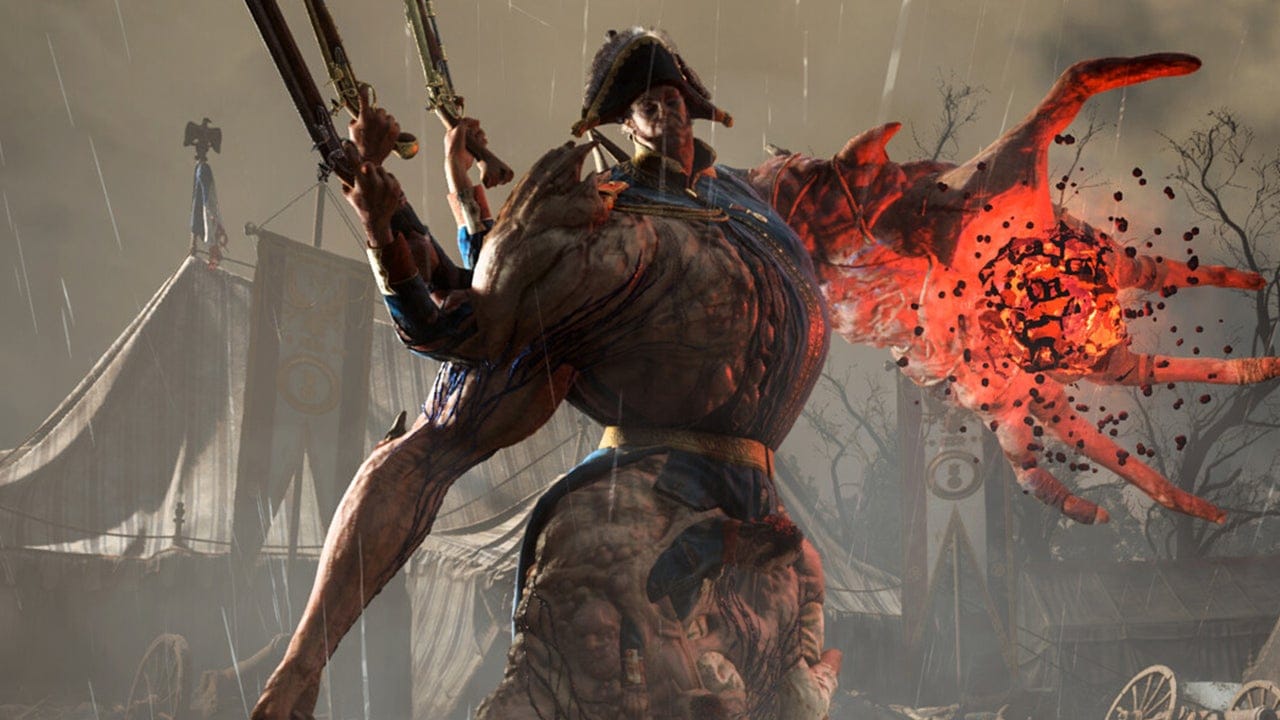
I’ve gotta hand it to the developers of Valor Mortis. After more than a decade spent tinkering with the soulslike formula, their decision to plunge into an alternate history of the Napoleonic era, complete with BioShock-style magical abilities, was a genuinely original leap.
The game is a punishing action experience that manages to blend several disparate elements into a chaotic package. Combat is a wild mix of sword fighting, spell slinging, and firearms, forcing players to think on their feet. Add to that the platforming sections, where you wall-run around like a titan, and the bizarre 19th-century setting, and you have a truly unique experience. Dying again and again while navigating this bleak, zombified French landscape leaves you with plenty of fond, if frustrating, memories.
The core mechanics are where the game truly shines. It shamelessly incorporates the concept of channeling magic through your dominant hand, allowing you to use your off-hand for firearms and magical abilities. This asymmetry turns encounters into exciting puzzles. You might use your mutated arm to light an exploding barrel, block an aggressive enemy, and then finish them off with a pistol—offering multiple angles for survival and strategy. This variety keeps the action engaging, especially considering the limited enemy variety in the world.
You take on the role of William, an undead warrior with supernatural powers who fights his way through war-ravaged areas. While the game attempts a grand, sobering message about the horrors of war, the narrative itself sometimes feels disappointingly generic, particularly when juxtaposed with the surreal events that pop up—like unexpectedly finding yourself in Egypt fighting a Sphinx in a cave.
Valor Mortis’ setting is arguably its most memorable feature. The world is riddled with fascinating level designs, including torn-up 19th-century battlefields littered with horse corpses, and harbors unnaturally raised naval ships. Beyond the war-torn landscapes, some areas possess a compelling personality. One particularly striking section involved navigating a ruined town where the only survivors were children who had learned to use their small size to their advantage, creating a unique and haunting exploration.
However, the ambitious mix of concepts often results in a rocky ride. The combat mechanics, while creative, can sometimes feel janky. There are moments where fighting large enemies feels disconnected, with strange invisible borders making it feel like you are hitting them with a pool noodle from a distance. Furthermore, many enemies lack real variety, often repeating the same few attacks, which can lead to tedious repetition.
Despite these mechanical shortcomings, the sheer variety of tools available helps break up the monotony. The arsenal—including three different melee options, three guns, and three customizable powers—gives players the means to innovate. Customization through skill trees and player-driven modifiers, such as health-restoring executions or damage-boosting perfectionism, allows players to forge highly personalized, deadly builds.
The boss fights, however, are another area that falters. The game offers surprisingly few memorable encounters, and those that do appear are often underwhelming, relying on predictable attack patterns that encourage waiting rather than true spectacle. Battling through the regular enemies and environmental hazards often proves far more consistently enjoyable than facing the less impressive bosses.
Finally, the technical experience needs some polish. The game suffers from significant technical issues, including hard crashes and missing environmental pieces that detract from the overall immersion. While Valor Mortis is a compelling ruin to explore, ironing out these technical wrinkles would transform it from a promising experiment into a masterpiece.
Buy on Amazon
Credit
