Valve ignores RAM crisis to push Steam Deck 2
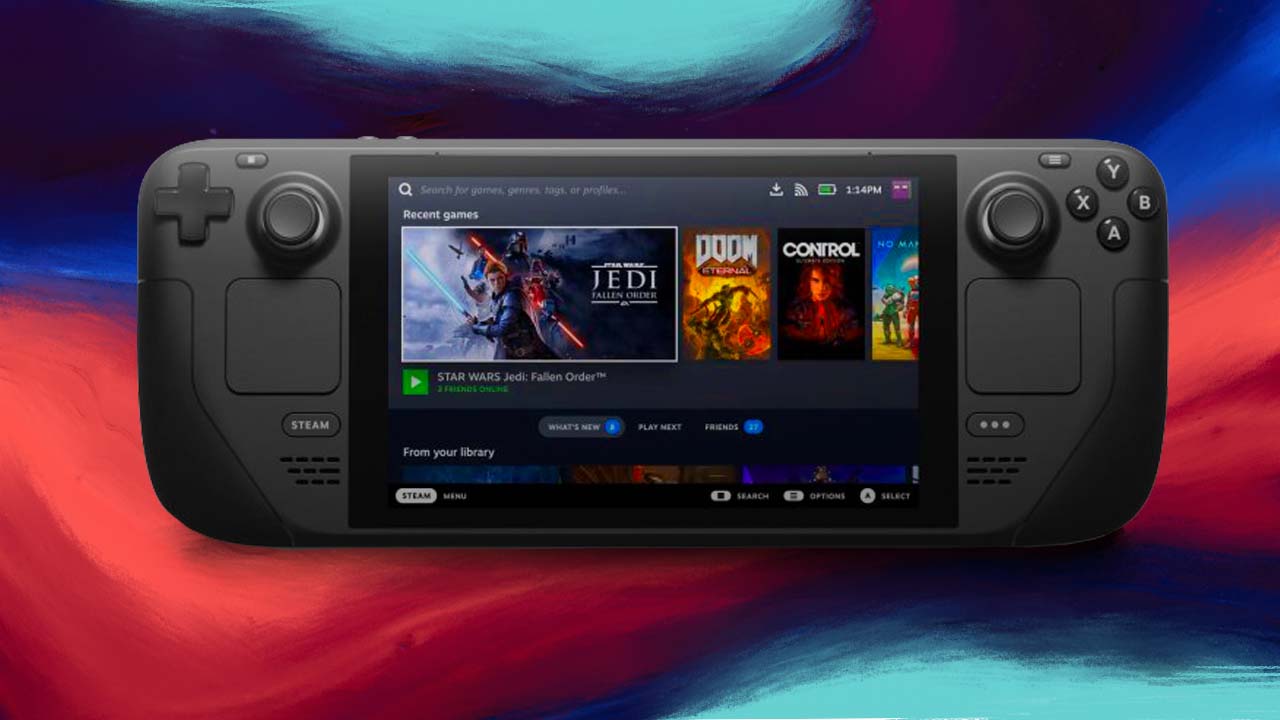
The Waiting Game: Why Valve is Taking Its Time on the Steam Deck 2
The anticipation surrounding the Steam Deck 2 is palpable, but behind the marketing hype is a much deeper, more complex story of engineering, economics, and patience. Valve developers have been candid that they are indeed “hard at work” on the sequel, yet their approach is less about speed and more about finding the perfect equilibrium between revolutionary performance and achievable pricing.
The fundamental challenge for Valve is presenting a true “generational leap” in handheld gaming. This requires more than just technical upgrades; it demands the right performance-to-price ratio—a mathematical sweet spot that makes a new device not just possible, but viable for the mass market. Unfortunately, the current global hardware landscape presents significant obstacles to achieving that goal.
The pressure stems directly from the ongoing component crisis. As the market grapples with rising costs for everything from graphics cards and memory to console hardware, the cost of building a powerful handheld PC is skyrocketing. This economic reality looms large over Valve’s plans for the Steam Deck 2, which is inherently sensitive to component costs.
Despite these financial headwinds, Valve’s team has offered a reassuring perspective on the timeline. In discussions with their developers, the current shortage of RAM has not derailed their trajectory. The consensus is that the focus remains on delivering a meaningful performance improvement, adjusting the timeline based on current conditions rather than being stalled by supply chain issues.
“We’ve talked before about how we want to make sure there’s a very delineated performance improvement for something like a future Steam Deck,” developers have confirmed. They emphasize that their goals for user experience remain consistent, focusing on the quality of the product rather than arbitrary deadlines.
This focus on balance is further illustrated by Valve’s previous decisions. When the Steam Machine and the Steam Frame were released, Valve demonstrated a willingness to pass higher component prices along to consumers. However, the Steam Deck’s own pricing trajectory—jumping from $549 to nearly $789 for the 512GB model—suggests that demand was already strained by inflation.
Given the reported cratering of Steam Deck demand due to these price increases, it is logical to assume that Valve is not in a rush to push out a sequel that simply reflects current inflated market rates. They are prioritizing the right product over a quick release.
In the meantime, the Valve hardware ecosystem remains active. With the 2026 slate of devices finally emerging, there is still plenty of Valve-branded hardware available on the market. Whether you are looking at the Steam Frame review or simply exploring the existing offerings, the focus remains on quality and the ultimate experience, proving that sometimes, the most powerful move is simply waiting for the perfect moment.
Buy on Amazon
Credit