
Valve killed Ravenholm Arkane founder reveals the shocking economic truth
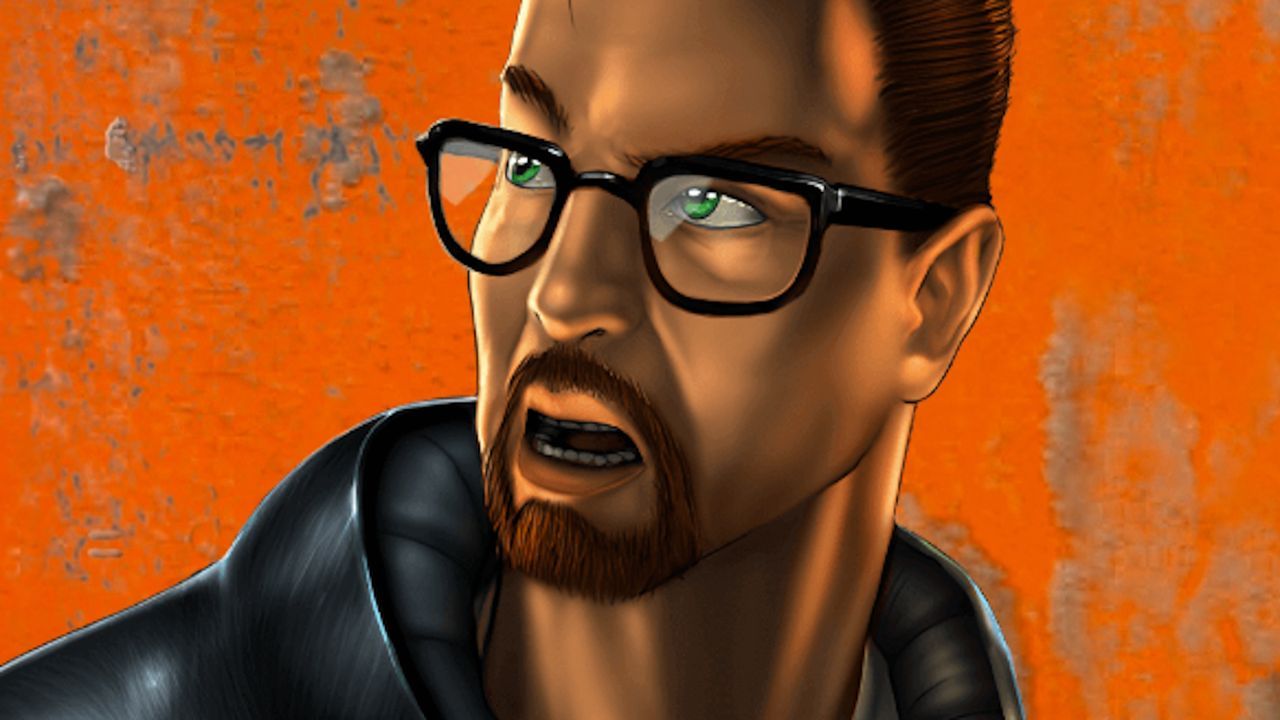
The history of game development is often filled with spectacular triumphs and equally painful cancellations, but for some, the lessons learned from the setbacks are the most valuable treasures. For Raphaël Colantonio, the founder of Arkane Studios and current creative director at Weird West maker Wolfeye Studios, one of those lessons was forged during his time collaborating with Valve.
Colantonio, who previously worked on the celebrated Half-Life 2 Ravenholm project, reflects on the abrupt decision to cut the game. It was a period of significant disappointment, especially given the intense creative energy invested in the project. “It took us a decade to move on from the pain of the Ravenholm project,” he notes. “We were incredibly excited about doing that game, and when the decision was made to cut it, we simply did not understand it as it happened.”
Looking back with the benefit of hindsight, the situation makes much more sense. The shift was ultimately dictated by the economics surrounding Half-Life 2 and the performance of its DLCs. The decision hinged on a crucial business ratio: how much Valve could spend versus the return it could realistically expect. This required attention from the entire structure on their side, a reality that often supersedes pure creative ambition in the high-stakes world of AAA development.
Valve had explored the possibility of a Ravenholm game before involving Colantonio and his team, but internal and external teams struggled to produce a concept that could be greenlit. While they explored other directions, Colantonio found the path they took compelling. “Like the two other attempts that they had looked at, we went somewhere with it, and it was cool,” he recounts. “But it still needed more time, and too much time to finish.”
This difficult chapter ultimately steered the team toward further enriching experiences. Working with Valve served as a profound learning experience, instilling a certain mentality that permeated their subsequent work on Dishonored. While maintaining that spirit, Colantonio suggests that the process allowed them to integrate their own unique Arkane design elements—from gadget design to map mobility—into the framework.
This learned approach to iteration and testing is also visible in the “Valve way of doing it.” Colantonio recalls that the most effective method for discovery involved varied testing sessions, where group sizes and individual participation were constantly rotated. This process ensured that diverse perspectives surfaced new discoveries, proving that even a rotating group could unlock the game’s deepest secrets.
The legacy of this era also involves the connection to Viktor Antonov, the visual design director of Half-Life 2 and the creator of Dishonored. Though Antonov has passed away, his influence remains central to the history of immersive simulation. His later work, such as Guns of Eschaton, further cemented this connection, demonstrating the enduring impact of these creative partnerships.
For Colantonio, the relationship with Valve remains one of profound admiration. He acknowledges that Valve stands as the grand masters of the industry, setting an impossibly high bar. Despite the pain of the past, he expresses a hopeful anticipation for the future of the franchise, trusting that Valve will continue to rise to meet the challenge and deliver a truly fantastic Half-Life 3.
Buy on Amazon
Credit