Valve sells off Index VR stock at a discount
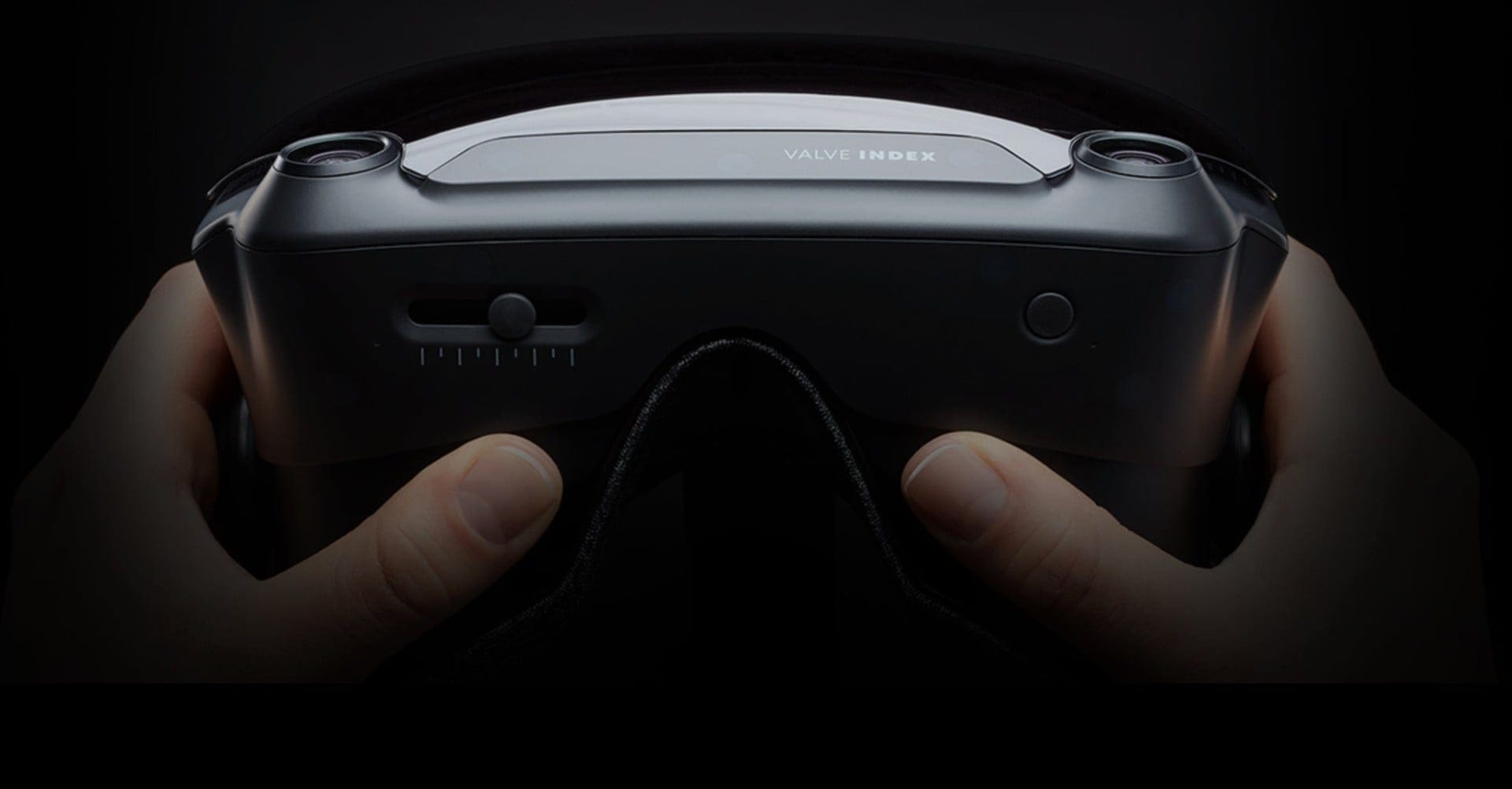
The Evolution of VR Tracking: Why Valve is Sunseting the Index
The world of virtual reality hardware is constantly shifting, and sometimes, the most successful products must make strategic pivots. Valve, a powerhouse in the gaming and simulation space, has recently announced the discontinuation of production for its popular Index VR headset. This move, while bittersweet for long-time users, signals a deliberate focus on the next generation of immersive technology.
The Index, once a foundational piece of hardware for many VR enthusiasts, is being phased out. While the physical hardware production has ceased, Valve ensures that the Index ecosystem remains alive, with remaining stock of headsets, controllers, and tethers available for purchase at a discounted price. The platform will continue to receive support within the Steam and SteamVR environments, keeping the legacy alive for those who choose to keep it.
This transition is not merely about retiring old technology; it reflects a broader strategic decision about where the industry is heading. The rise of inside-out tracking systems, exemplified by technologies like Steam Frame, has fundamentally changed how VR experiences are delivered. These systems offer a seamless, highly intuitive tracking experience that puts the focus squarely on the content rather than the complexity of the hardware setup.
However, the discontinuation of the Index does not signal an end to the importance of external tracking. Despite the push toward all-in-one solutions, industry observers and those familiar with Valve’s engineering philosophy suggest a strong vision for external tracking to persist.
When speaking with engineers behind the technology, it became clear that they still see a compelling future for externally-tracked VR headsets. These devices offer a unique layer of freedom and precision that complements the capabilities of inside-out systems. The idea is not to abandon external tracking but to integrate it thoughtfully, allowing it to coexist with newer technologies.
The strategy appears to be about creating a diversified landscape where different tracking methods can serve different purposes. This allows the VR space to evolve organically, moving away from a single dominant paradigm and embracing a more flexible approach to interaction and immersion. As VR continues to mature, the pursuit of superior tracking fidelity will undoubtedly lead to more sophisticated hybrid systems.
Buy on Amazon
Credit
