Valve sets Steam Machine reservations deadline for 2026
The Steam Machine Saga: Hype, Hurdles, and Hardware Reality
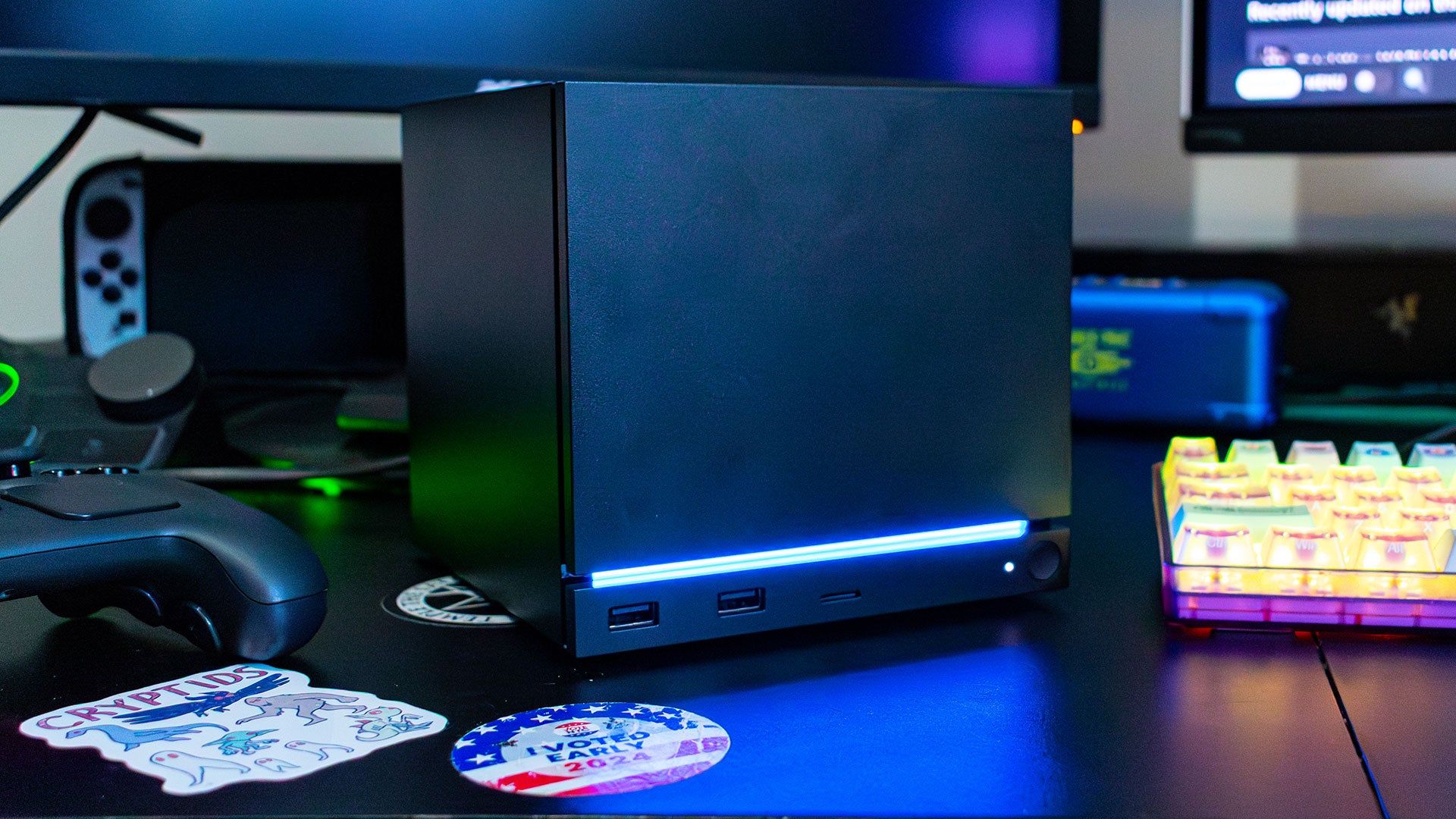
The Steam Machine arrived with a bang—a much-anticipated console-PC hybrid that promised to redefine gaming. Yet, despite the fanfare, the device has been mired in a complex reality of high demand, hefty prices, and supply chain wrangling. After a month on the market, the saga is less about immediate adoption and more about navigating Valve’s ambitious roadmap and the persistent challenges of modern hardware production.
When the launch began, Valve offered customers the chance to reserve their place, initiating a waitlist that quickly swelled into a significant queue. This initial reservation system demonstrated just how immense the interest in the Steam Machine was, suggesting that meeting demand would stretch well into the next year. Interestingly, this demand wasn’t uniform across regions; some markets managed to clear their reservations much faster than others, even allowing Valve to fulfill its booking lists in certain areas.
Behind the glossy marketing, the journey of the Steam Machine has been anything but smooth. Early struggles were compounded by broader industry pressures, specifically the ongoing RAM crisis, which forced Valve to make significant adjustments. This scarcity played a role not only in pushing the price up beyond initial projections but also compelled the company to carefully reword its performance claims.
The resulting hardware presented an interesting paradox. While the Steam Machine occupies a compelling space as a powerful all-in-one device, its raw power remains comparable to base-level console systems, such as the PS5. However, it doesn’t mean users are stuck. The platform provides users with the freedom to customize and build significantly better experiences by leveraging SteamOS and opting for custom PC builds, demonstrating that the true potential lies in user configuration rather than pure specifications.
Despite these hurdles, Valve continued to innovate and empower its community throughout the launch period. They released essential tools to let the community interact directly with the hardware. This included making the CAD files for the Steam Machine’s exterior available, allowing enthusiasts to 3D print custom skins and face plates, fostering a deeper sense of ownership. Furthermore, Valve bolstered software support by releasing FSR 4.1 support for the experimental fork of Proton, ensuring that performance improvements could be integrated into the ecosystem.
Ultimately, the Steam Machine story is a testament to the complexities of launching bleeding-edge hardware in a constrained market. It reflects the tension between ambitious product vision and the practical realities of manufacturing, supply chain logistics, and fluctuating component availability. For those waiting or those who have secured their machine, the experience is less about a simple purchase and more about participating in an evolving ecosystem where customizability and community engagement drive the future of gaming hardware.
Buy on Amazon
Credit