Valve won’t do exclusives because restricting play doesn’t work
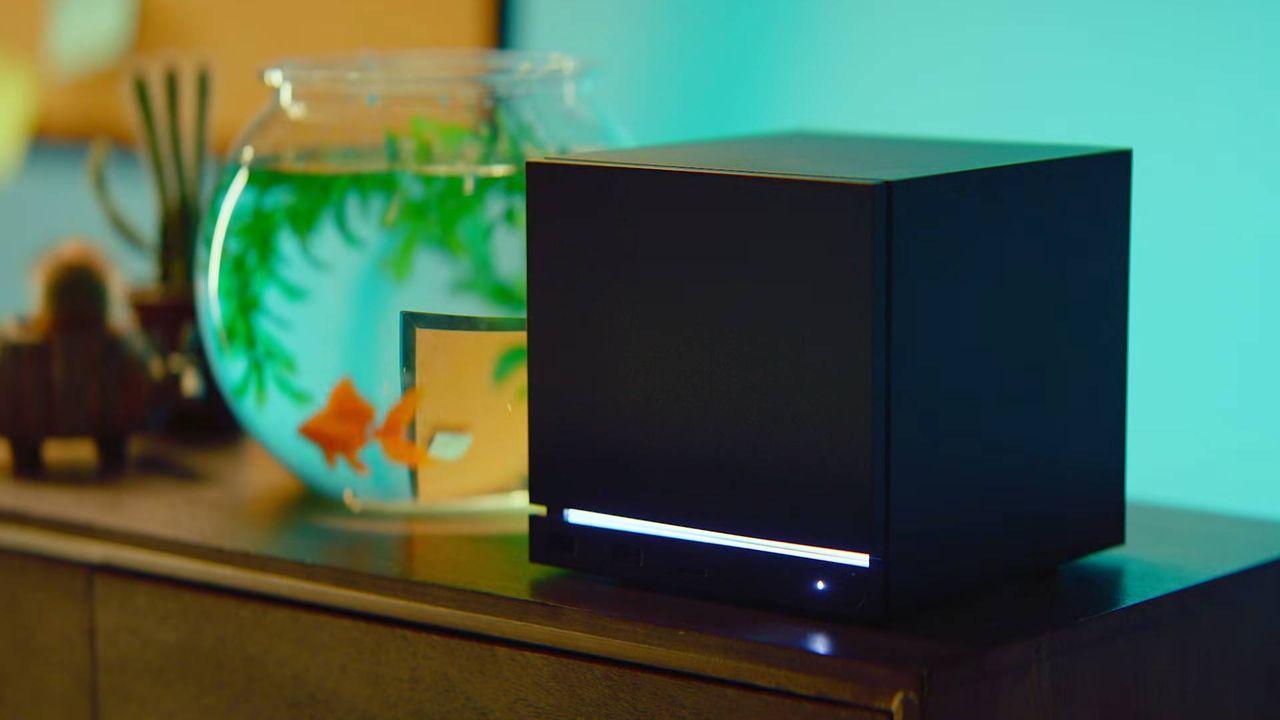
The great console wars are often fought over hardware specs and exclusive games, but at the heart of the matter lies a different philosophy entirely. For Valve, the focus shifted from creating a walled garden of exclusives to maximizing access, turning their platform into something far more democratic—and perhaps, much more strategic.
When the Steam Machine arrived, many fans were eagerly anticipating new, exclusive titles alongside the hardware, much like competitors such as the Xbox Series X|S. However, behind the scenes, an explanation emerged from Valve engineer Pierre-Loup Griffais detailing why a plan for platform exclusives simply wasn’t on the table.
Griffais explained that restricting where users could play games was not a model they believed in. Instead of forcing proprietary content onto the machine, Valve determined that their true selling point was already established: access to the entire PC catalog.
“We’re much more interested in having the whole PC catalog as our ‘launch exclusive,'” Griffais noted. This approach frames the platform not as a source of limited content, but as the ultimate gateway to an expansive library.
This design choice means that the value proposition shifts away from bespoke console exclusives and towards the enduring power of Steam’s massive community and integrated software ecosystem. It’s a bold move that prioritizes freedom over scarcity.
While excitement persists for anticipated titles like Half-Life 3, the focus remains on the fluidity of access. The argument suggests that forcing exclusivity onto hardware, especially given the high price point of the Steam Machine, could only lead to fan dissatisfaction rather than long-term engagement.
This philosophy extends even to hardware itself. Unlike competitors who release small, bespoke demos or experience titles alongside their consoles—such as Sony’s Astro’s Playroom or Valve’s own Aperture Desk Job for the Steam Deck—Valve opted for a broader, more inclusive vision.
Ultimately, Valve’s strategy suggests that true exclusivity isn’t about locking content behind a controller; it’s about granting unparalleled access to everything players already love on PC. It proves that sometimes, the most engaging launch exclusive is simply the entirety of your digital life.
Buy on Amazon
Credit