Valve’s tools tell a different story
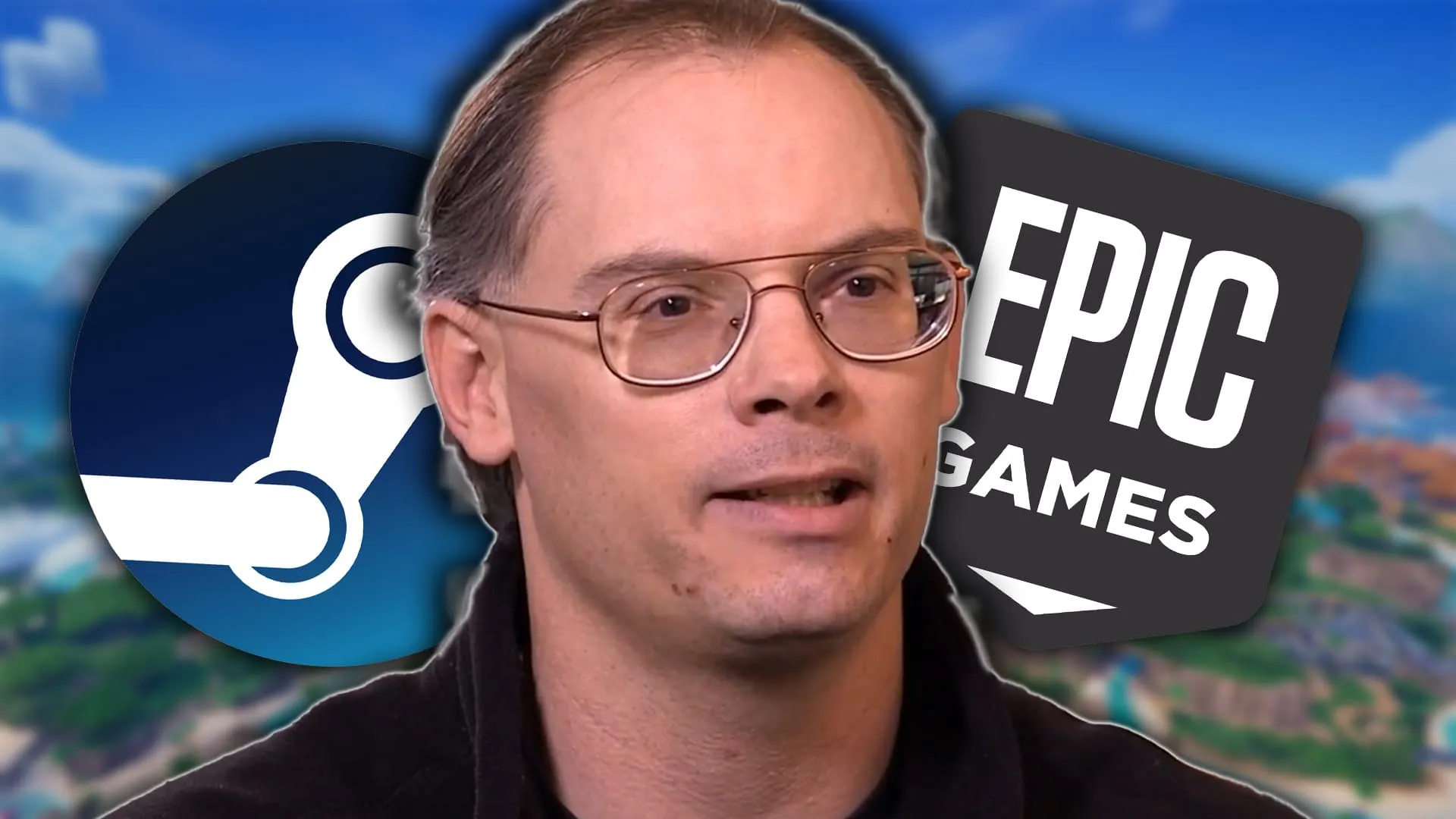
The digital landscape of gaming is constantly evolving, but sometimes the friction isn’t found in the gameplay itself—it’s in the infrastructure. A high-stakes debate is currently brewing at the intersection of major gaming powerhouses, pitting Epic Games against Valve over the very structure of how games are built and distributed.
Epic Games CEO Tim Sweeney has recently put forth a provocative claim, suggesting that Valve’s Steamworks platform is inadvertently holding back the broader development community. His assertion is that Valve’s networking tools create a kind of closed ecosystem, potentially restricting developers from accessing the full scope of creative freedom.
This perspective reflects a growing anxiety among developers about platform dependency and control. While the idea of a centralized system sounds efficient on the surface, the reality of industry competition often requires open access and flexible tools.
The conversation surrounding this tension deepened when Sweeney joined a discussion initiated by Epic’s former Principal Animation Programmer, Kiaran Ritchie. Ritchie entered the fray to argue that the current structure of gaming platforms presents significant hurdles for innovation.
Ritchie’s argument centers on the crucial need for independence. He suggests that if the goal is to foster true innovation and competition, developers must have the ability to build a rival ecosystem—one that isn’t strictly confined by existing proprietary networking systems.
The ensuing discussion highlights a fundamental tension: the balance between the convenience of an established platform and the necessity of open, competitive innovation. It is a reminder that the rules of the game, whether in software development or gaming distribution, are often as important as the game itself.
Buy on Amazon
Credit