Vibe-Coded Mods Take Over X This Week
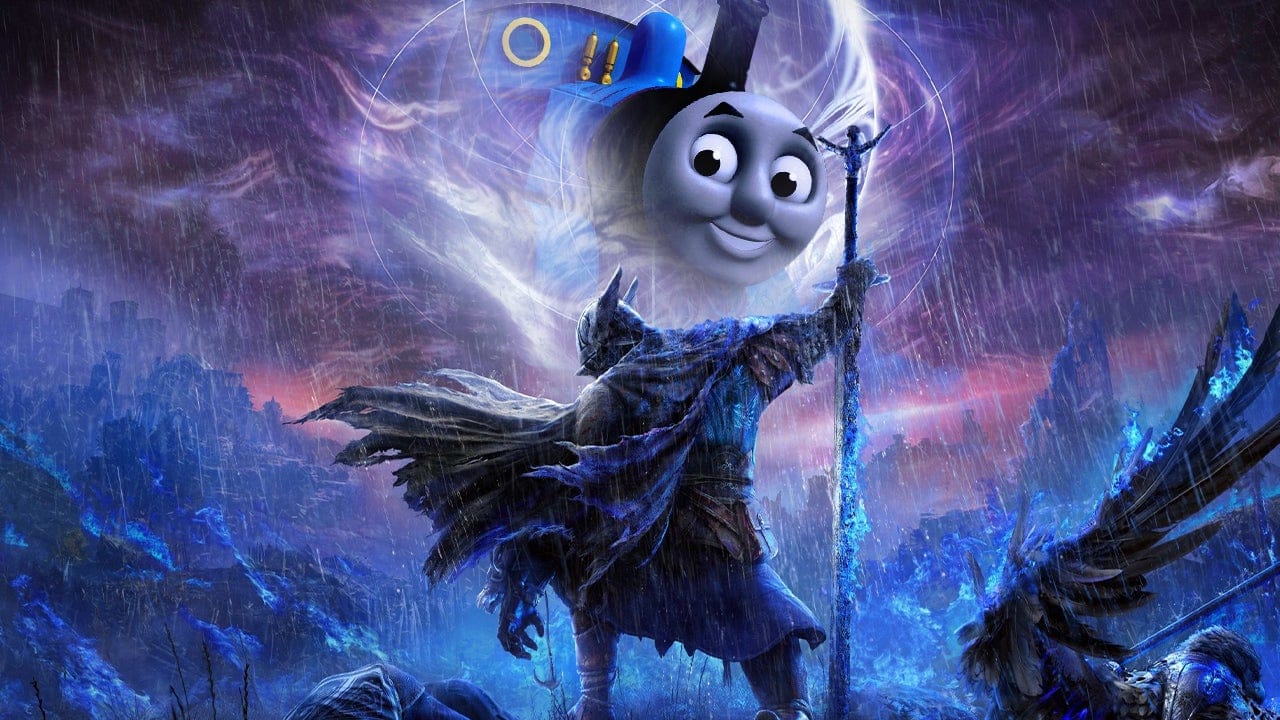
The intersection of artificial intelligence and PC gaming has just unleashed a torrent of truly bizarre and imaginative creations. Modders are now leveraging cutting-edge AI models to take source code from popular games and mash it up with entirely different universes, resulting in a flood of content that is simultaneously wild and deeply provocative.
These digital experiments are pouring out onto social media, demonstrating how powerful AI agents, particularly those built around models like Claude Opus 5.5, can manipulate game assets and logic. We are seeing mashups ranging from combining World of Warcraft and Call of Duty: World at War to blending Escape From Tarkov and Skyrim, and even creative concepts like allowing players to swing around Batman’s turf in a Spider-Man framework.
The engine driving this wave is not just creativity, but a sophisticated process of decompilation. Users are pointing AI models at game files, asking them to break down the game into its source code, and then using that foundation to weave new, often surreal, combinations. This process allows the AI to work with existing code to create entirely new experiences with minimal manual input.
While the results are visually striking, the quality of the AI-generated elements often leaves room for critique. Some demonstrations show sophisticated structural blending, yet the resulting game assets, such as enemy AI or visual art, can still feel lackluster, highlighting the gap between understanding code structure and generating genuinely compelling, coherent game design.
The core power lies in the accessibility of these tools. With affordable access to advanced models, the ability to generate these complex mods is no longer restricted to dedicated programmers; it has become a playground for any enthusiast with an interest in gaming. This ease of access has led to a deluge of content, evolving from a few strange video clips into an inescapable online phenomenon.
Naturally, this trend raises significant questions about intellectual property. These mods are built upon the code and assets of original game developers. While modding has always involved mashups—from the classic Thomas the Tank Engine mods to modern creations—the use of AI-powered decompilation introduces a new layer of complexity regarding ownership and permissions.
Currently, distribution platforms like Nexus Mods maintain strict policies against content generated without explicit permission for assets, particularly those created using AI tools. This means that while the technical possibilities are vast, the legal and distribution landscape remains uncertain. The potential for massive legal disputes over copyright is looming as this trend continues to expand.
The community reaction, however, has been sharply divided. While some embrace the chaotic, unpredictable nature of the AI-driven mashups, many veteran mod authors feel a strong sense of frustration. There is a palpable divide between those who see this as a source of boundless creativity and those who view it as “AI slop.”
Many established creators worry that if AI-generated content becomes the dominant method, the creative spirit of traditional, hand-crafted modding could be sidelined. Some authors have expressed disappointment, fearing that the focus is shifting away from genuine artistic input toward generating easily clickbait content.
Ultimately, whether this trend defines the future of modding remains to be seen. It is a fascinating experiment, pushing the boundaries of what technology can do with creative assets. The crucial takeaway is that as AI tools continue to evolve, the focus must shift toward understanding the ethical boundaries of code and creation, ensuring that innovation does not overshadow the respect due to original developers.
Buy on Amazon
Credit
