Vice City’s Visual Action Legacy Review
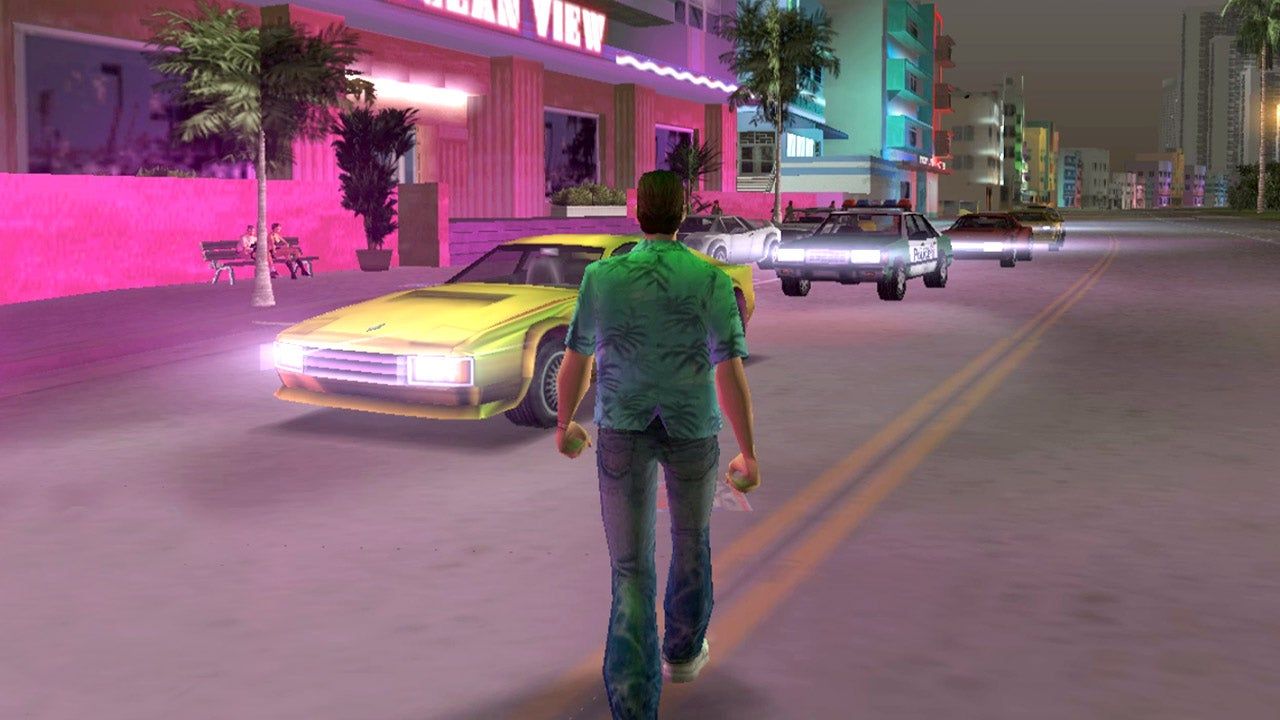
When reflecting on the evolution of the Grand Theft Auto series, a certain title stands out as a vibrant, neon-drenched monument to an era: Grand Theft Auto: Vice City. While the franchise has evolved dramatically over the years, Vice City arrived not just as a game, but as a seismic shift, introducing elements that continue to define the open-world experience today.
Arriving just twelve months after the genre-defining GTA III, Vice City set a new benchmark for rapid evolution. It arrived on the PlayStation 2 and immediately injected a fresh, high-octane energy into the sandbox, quickly becoming an emblematic representation of the 1980s—a period that the game captured with unmatched style and flair.
Beyond the retro setting, the game introduced a groundbreaking array of vehicle types and weaponry, expanding the player’s freedom in ways that felt entirely new. It was a genuine expansion of the core mechanics, allowing players to explore new possibilities within the sprawling world of Vice City.
Perhaps the most significant departure was the shift in narrative presentation. Where previous installments relied on mute protagonists, Vice City gave players a fully voiced lead character, Tommy Vercetti. This change instantly deepened the emotional connection, allowing the player to fully immerse themselves in Tommy’s ambitions and interactions with a memorable cast of allies and antagonists.
Tommy Vercetti was not just a vessel for action; he was a force, driven by the desire to become the great white shark of Vice City rather than merely surviving in it. This emphasis on personal ambition elevated the storytelling, making the experience far more dynamic and engaging than its predecessors.
The atmosphere of the game is inextricably linked to its soundscape. The soundtrack, weaponizing licensed music, became an untouchable highlight of the entire franchise. It didn’t just accompany the gameplay; it infused every mission with an irresistible, nostalgic pulse, turning the streets of Vice City into a living, breathing sonic experience.
The game’s aesthetic—the angular supercars, the palm-lined streets, the vibrant neon—perfectly encapsulated the excess of 1986 Miami. It paid rich homage to classic crime cinema, drawing heavily from the glamour and grit of shows like Miami Vice and Scarface, weaving them into a tapestry of hyper-stylized criminal chaos.
The legacy of Vice City rests in its ability to act as a true portal. It wasn’t just a window into the past; it was a living environment that allowed players to inhabit an era, offering a sense of deep, immersive history that few other games manage to replicate. It remains one of the most unforgettable and stylish milestones in the history of open-world gaming.
Buy on Amazon
Credit