VR headsets lower blood pressure and stress in the ER
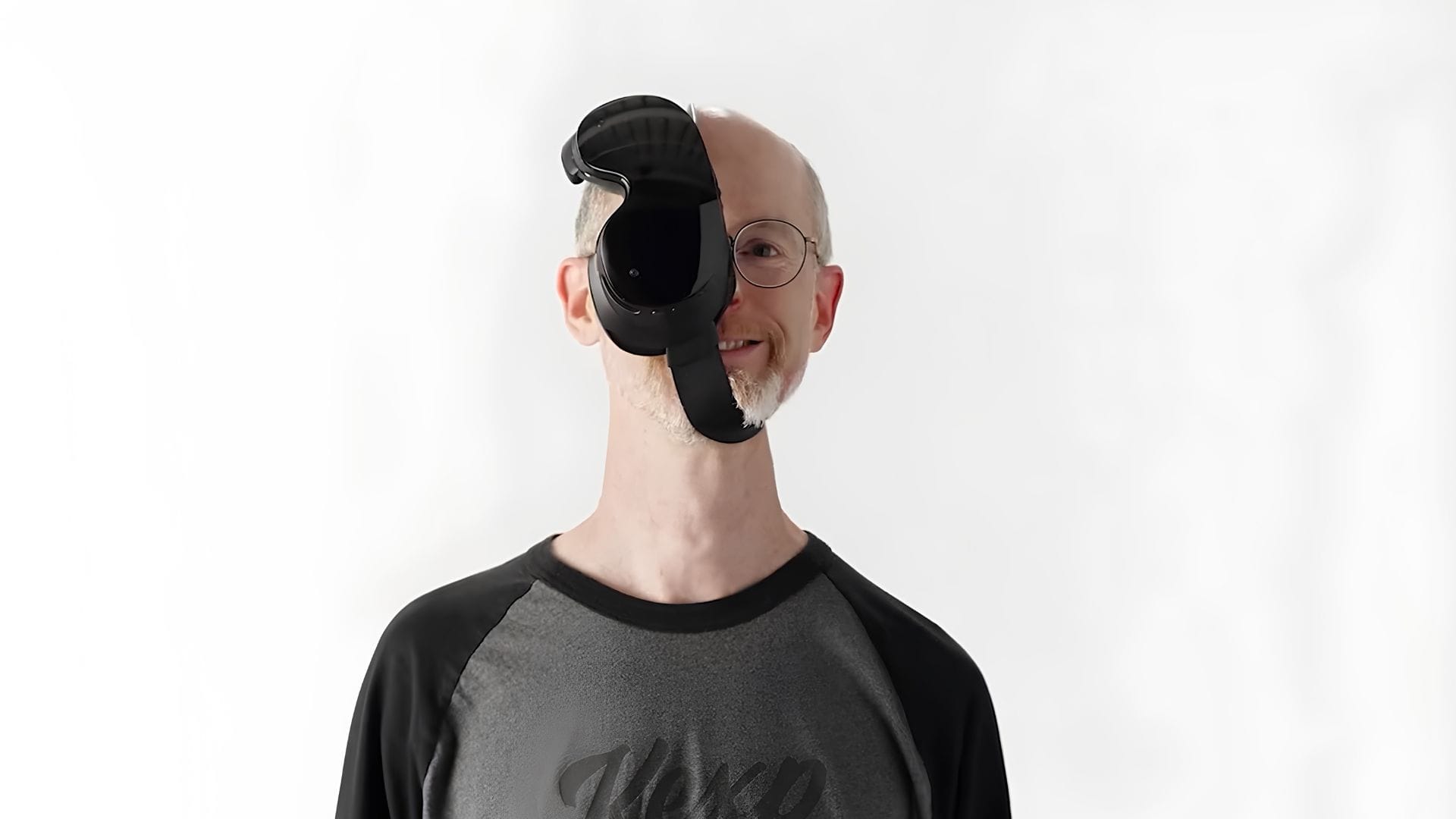
When patients arrive in the emergency department already battling high blood pressure and intense fear, the environment itself can compound their distress. The bright lights, the noise, and the uncertainty of the hospital setting add significant stress to an already difficult situation. But what if the solution wasn’t just medication, but a moment of calm? Scientists are exploring a surprisingly effective, high-tech approach to mental and physical relief.
In a small but compelling study conducted in Turkey, emergency medicine specialists found that immersing patients in peaceful virtual reality environments, coupled with calming classical music, offered a significant boost to reducing blood pressure and anxiety more effectively than standard treatment alone.
The researchers aimed to address a common problem: how to help acutely distressed patients manage their symptoms quickly. They hypothesized that leveraging the power of sensory experience could be a powerful, non-pharmacological tool.
For this experiment, the team took 65 patients who presented with markedly elevated blood pressure—readings of 180 mmHg or higher on the top number, or 110 mmHg or higher on the bottom number—and randomly divided them into two groups. One group received standard blood pressure medication, while the other group received the medication alongside a soothing experience: a VR headset displaying tranquil nature scenes and a playlist of calming classical music.
The results were compelling. After just 15 minutes, the patients who received the VR and music treatment experienced a 12% to 15% reduction in both their anxiety levels and their blood pressure compared to the control group that received only medication. This effect persisted, narrowing the gap between the groups over the course of the study.
Dr. Kadir Yenal, one of the lead researchers, noted the profound impact of this finding. “For patients brought into the emergency department frightened and in pain, being offered a few minutes in a peaceful virtual forest while listening to music like Mozart would likely be welcomed,” he observed. The study suggests that providing a personalized, calming experience can act as a powerful supportive addition to standard medical care.
This research raises an exciting prospect for healthcare: integrating accessible virtual reality technology into acute care settings. While the specific VR headset used in the study remains undetermined, the core message is clear—that this approach offers a safe, feasible, and meaningful way to reduce patient anxiety and aid in achieving faster blood pressure control.
The possibility is that technology, often viewed as a tool for entertainment, can become a vital instrument for therapeutic intervention. It shifts the focus from simply treating symptoms to addressing the psychological distress that accompanies them, offering a new dimension of patient-centered care.
Buy on Amazon
Credit
