Wardog’s boss demands higher game costs GTA 6 should have caused it
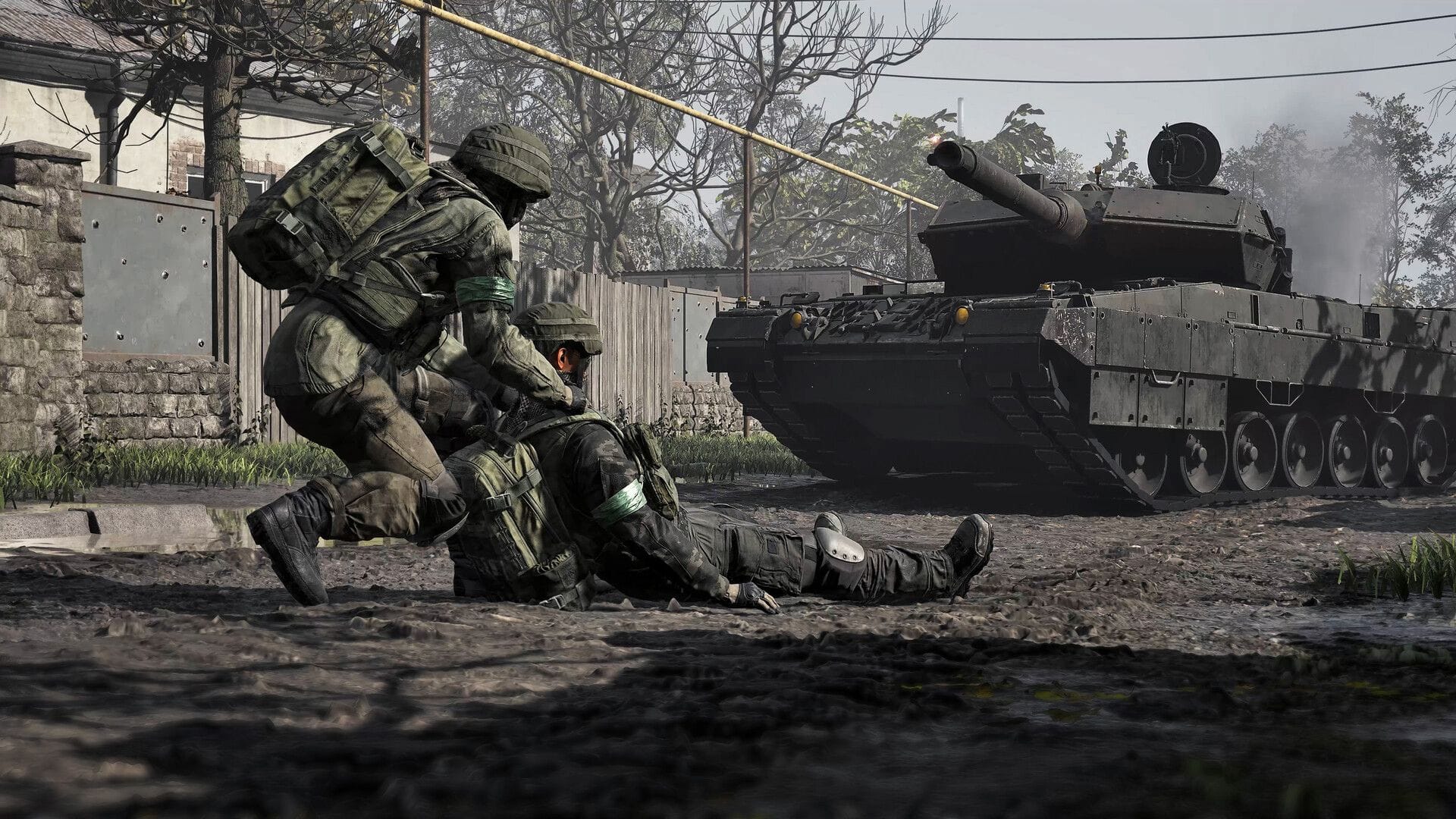
The digital gaming landscape, while bursting with creative brilliance, often operates under a puzzling economic structure. Is it time for games to reflect their true value? Some industry voices are raising the uncomfortable question: Do games need to cost more?
Joe Brammer, CEO of Wardogs, is among those arguing for a shift in pricing. He suggests that games must cost more, pointing to titles like GTA 6 as potential trendsetters for the industry. The core argument is that the current pricing structure seems disconnected from the actual cost of development, leading to an imbalance.
This debate is layered with broader industry turbulence. Double Fine founder Tim Schafer, speaking to BBC News, shared a more philosophical view, expressing uncertainty about the actual economics of game development. He suggested that what is happening might be less about complex math and more about a cyclical pattern, hoping that the current struggles will eventually lead to a positive bounce back.
The economic puzzle boils down to a simple, yet frustrating equation: games are currently too cheap, yet the cost of development remains prohibitively high. This gap is the central point of contention. While major franchises like Battlefield 6 and Mario Kart World and GTA 6 have hit the $80 mark, the overall price of games has remained relatively static for some time.
However, this static pricing is complicated by the massive scale of these franchises. When games achieve blockbuster status, consumers may become less willing to pay a premium, especially when alternatives exist. The market is now grappling with the paradox of offering massive, polished experiences at accessible prices, often facilitated by subscription models.
This tension is evident in the broader hardware market as well. While Xbox has implemented different pricing strategies, including offering games through subscription services, the core question remains: how do developers balance profitability with consumer demand? The industry seems to be navigating a tricky space where creative ambition clashes with financial reality.
Ultimately, the discussion around game pricing is more than just a debate over dollar amounts; it is a reflection of the relationship between creative output, industrial economics, and the consumer experience in the modern entertainment world. Whether the cycle will turn, or if a fundamental shift in how we value digital content is forthcoming, remains to be seen.
Buy on Amazon
Credit
