Warlock’s Secret: Why you feel like you’re cheating in D&D
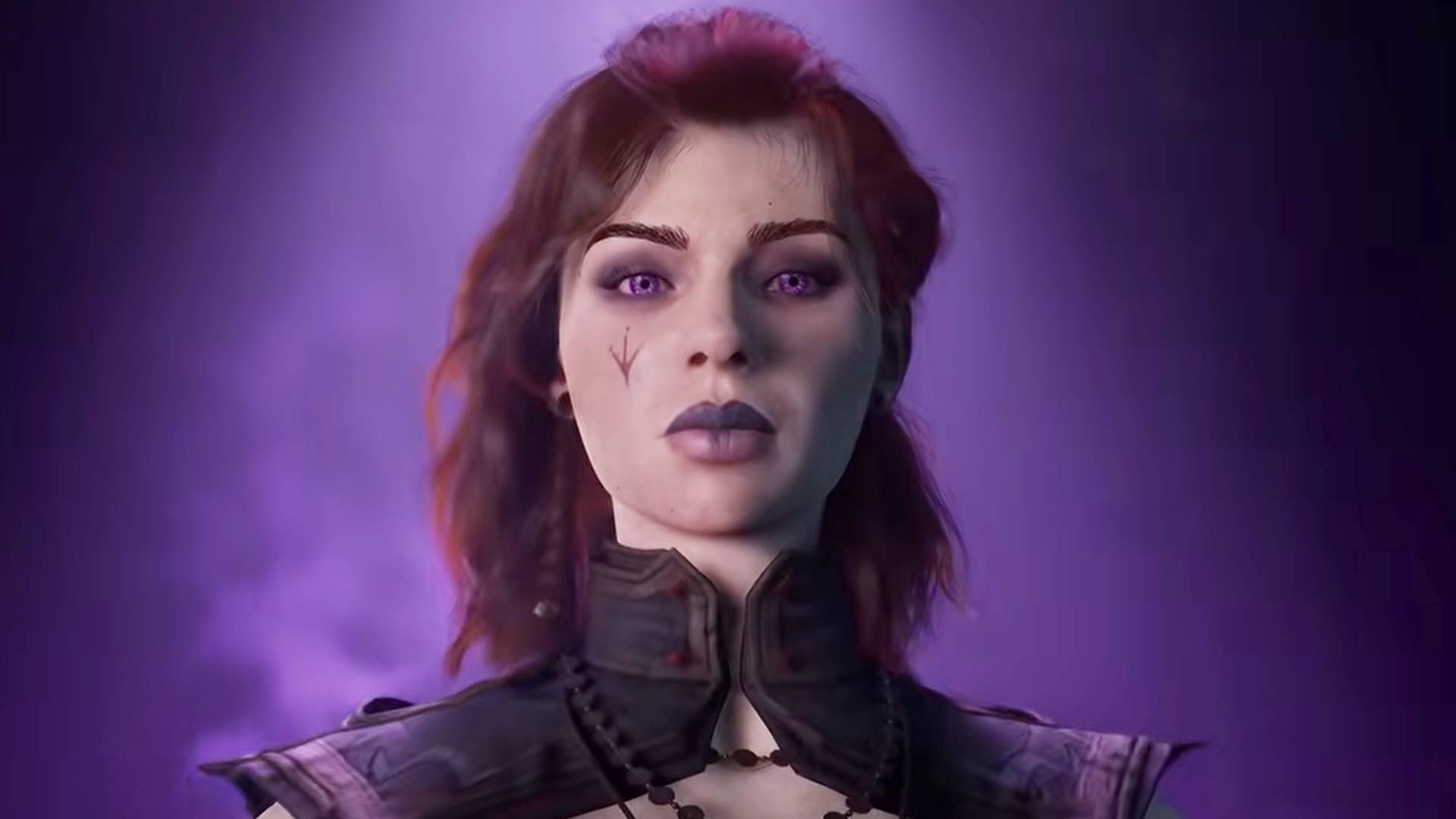
The current landscape of tabletop role-playing game development is often viewed through a highly specific, sometimes exasperated, lens. Following massive, ambitious releases like Baldur’s Gate 3, a distinct consensus has emerged among the community: there is a certain level of reverence mixed with a degree of skepticism when it comes to the developers crafting the next generation of Dungeons & Dragons-inspired experiences.
This sentiment isn’t unique. As one observer noted after the release of Baldur’s Gate 4, the feeling was palpable: “I don’t envy the developer of Baldur’s Gate 4.” This reaction is more than just personal preference; it reflects a deeper expectation set by the high bar established by those landmark titles.
This feeling of measured criticism extends across the entire industry. It applies equally to upcoming projects, such as the new Dungeons & Dragons-inspired sets being developed by Warlock, Invoke, and Wizards of the Coast.
While the tradition of adapting the Dungeons & Dragons ruleset has a long history—demonstrated by projects like Solasta 2, which successfully leveraged the D&D ruleset—the expectation for innovation has dramatically increased. Fans now demand not just faithful adaptations, but genuinely fresh, compelling gameplay experiences that push the boundaries of what the tabletop medium can achieve.
The challenge for all creators working in this space is navigating this high level of expectation. They must balance respecting the foundational rules and lore of D&D with the need to introduce novel mechanics and narrative structures that feel true to the spirit of adventure.
For developers entering the arena, the pressure is immense. They are tasked with building worlds that resonate deeply and offer unparalleled freedom, ensuring that the innovations introduced are exciting rather than merely derivative.
As new iterations emerge, such as Invoke‘s latest developments, the community watches closely to see if these new systems manage to capture that elusive blend of mechanical depth and narrative immersion. The focus remains firmly on creating games that are not just expansions, but true advancements in interactive storytelling.
Buy on Amazon
Credit