Watch Dogs Legion Director’s Cut 2027
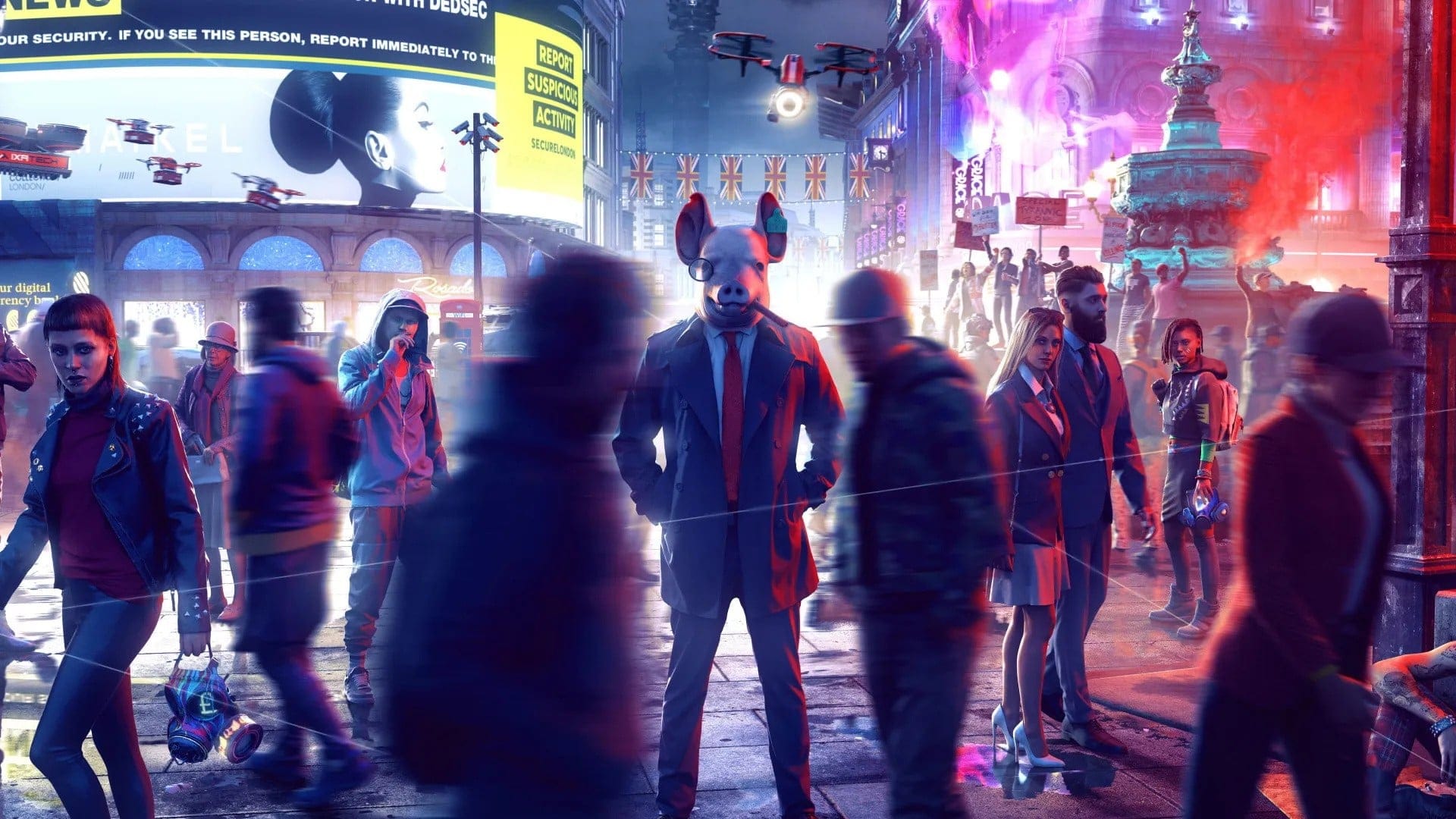
The Age of Cyber-Hacking and Charming Londoners: A Flawed Vision
When Watch Dogs: Legion arrived, it was immediately positioned as a heavyweight contender, often compared to the legendary open-world masterpiece, Grand Theft Auto, set in the vibrant streets of London. But the promise of this game was far more than just a graphical upgrade; it was a revolutionary social concept.
The core genius of the game lay in its interaction mechanics. Instead of relying purely on stealth and combat, players were given the incredible ability to initiate conversations with virtually any Londoner they encountered, recruiting them to join their collective of cyber-hackers. It was an idea that sounded genuinely groundbreaking—a digital tapestry of social influence and networked anarchy.
The concept itself was truly cool. Imagine the potential for real-time, organic social manipulation, where the fate of the city hinged not just on hacking systems, but on charming, convincing, and recruiting the very people living on the streets. It suggested a deep, immersive layer of social simulation that could redefine open-world gaming.
Yet, as the game evolved from this ambitious premise, the execution proved to be a significant letdown. While the philosophical foundation was revolutionary, the actual gameplay experience often felt disconnected from the innovative idea it was built upon. The revolutionary promise of social recruitment didn’t translate into the deeply engaging reality players hoped for.
Ultimately, the tension between the ambitious vision and the delivered product is a fascinating study in game development. It leaves the question hanging: Will you give Legion a second chance, and can the magic of genuine social interaction be realized within the confines of a digital world?
Buy on Amazon
Credit
