We Want FNV2 But Not Like This
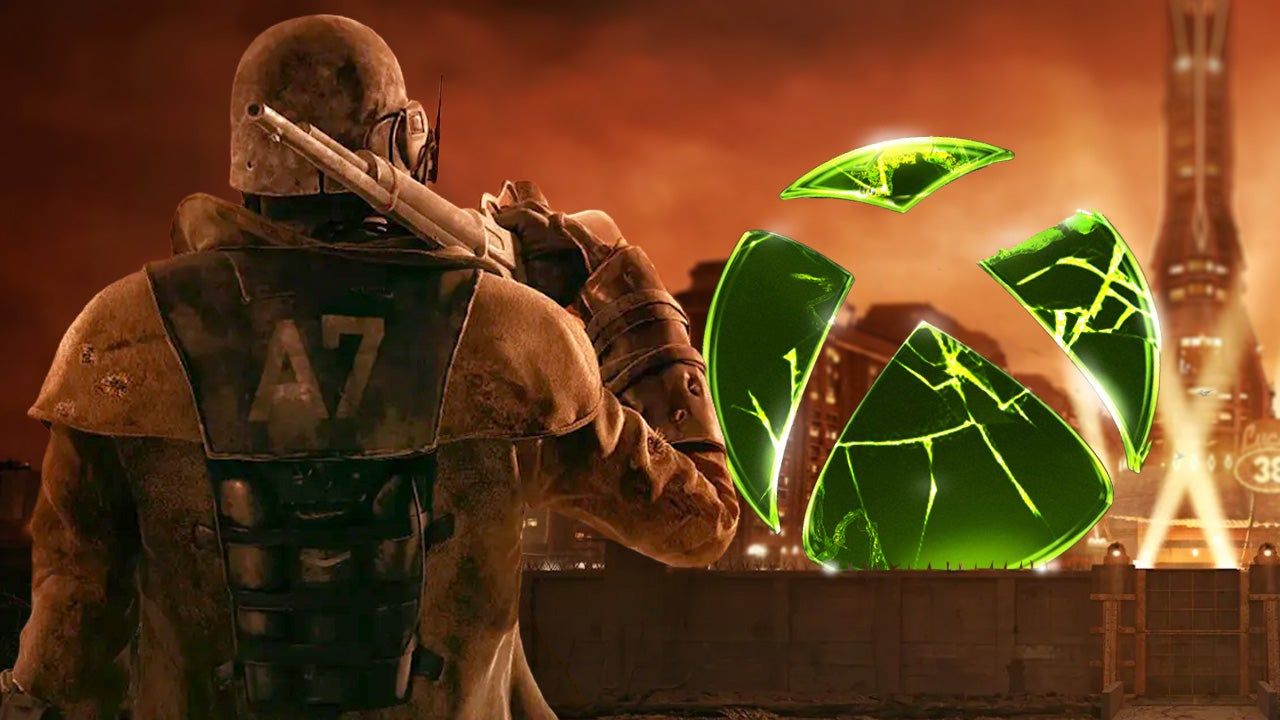
The Fallout Dream: When Corporate Strategy Meets the Wasteland
The world of gaming has been buzzing with a major development: the rumored continuation of the Fallout saga, now seemingly being spearheaded by Obsidian. This potential pairing—the creative might of Obsidian and Bethesda nestled under the umbrella of Xbox Game Studios—promises a return to the wild west that fans have long craved. But behind the exciting promise of new lore lies a more complex story about ownership, leadership, and the often-painful realities of corporate maneuvering.
This convergence of studios is more than just a business deal; it touches upon a deeply felt desire among gamers to see their favorite worlds expanded. The expectation was that this union would usher in a golden age for Fallout fans, leading to an anticipated sequel that honors the franchise’s legacy while pushing its boundaries.
However, as the dust settles on these high-profile acquisitions and creative ambitions, the conversation shifts from what games are coming to how they are being made. Beneath the surface of this exciting synergy lies a wider industry reckoning concerning the pace, profitability, and sustainability of the video game business.
The reality of the situation is stark. While studios amass impressive intellectual property, many within the industry are grappling with challenging economic realities. The broader ecosystem has faced significant upheaval as companies restructure their operations, leading to difficult decisions about talent retention and business strategy. This environment creates tension between creative vision and financial necessity.
The narrative of these large-scale changes is often framed by the performance of leadership. There is a palpable debate among observers regarding how effectively the executive teams are balancing artistic integrity with fiduciary responsibility. The outcome, as seen in the current climate, suggests that some structural shifts were necessary, even if they caused considerable friction.
The pursuit of growth and market share has driven these transformations, prompting questions about where the focus truly lies: on the creative output or the bottom line. The experience highlights a critical divide between those focused on maximizing immediate profit and those who value long-term creative stewardship.
In this landscape, the legacy of past decisions weighs heavily. The interplay between large platform holders and independent studios demonstrates a tension between centralized corporate mandates and the unique character of creative teams. For instance, some studio leaders have advocated for a more hands-off approach to acquisitions, aiming to preserve the unique culture and talent that makes a company successful.
This dynamic extends across the industry, with similar shifts observed elsewhere. Other major studios are navigating their own challenges, balancing franchise development against evolving market demands. This collective experience underscores the need for a balance where business acumen supports, rather than overshadows, creative excellence.
Ultimately, the journey of these giant gaming entities reflects a larger trend: the ongoing evolution of the industry in an era defined by rapid technological change and intense financial pressures. The future hinges on finding a healthy equilibrium—one where ambitious creative projects like new Fallout adventures can thrive without being entirely consumed by the relentless demands of the market.
Buy on Amazon
Credit