Westeros devs plan a flood of GoT fans in the RTS market
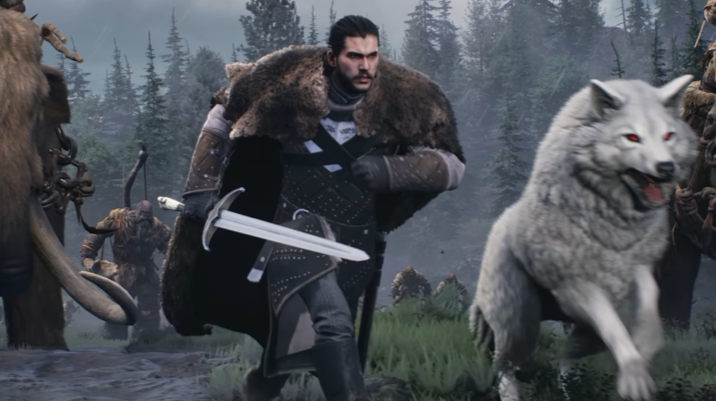
How War for Westeros is Mastering the Art of the Strategy Game
The world of real-time strategy games thrives on complexity, but bridging that gap for newcomers often requires a delicate touch. Developers of War for Westeros, PlaySide, faced a unique challenge: anticipating an influx of massive Game of Thrones fans who had never touched an RTS before. The solution wasn’t just throwing Westeros characters onto the screen; it was engineering an experience that was both deeply strategic and incredibly approachable.
The success of the game hinges on PlaySide’s commitment to approachability. Game director Ryan McMahon emphasized that the key was focusing on how players onboard to the RTS experience, rather than trying to dumb down the core mechanics. This philosophy drove the design, ensuring that players could dive into the realm of Westeros without getting immediately overwhelmed by the intricate systems of real-time strategy.
One of the most brilliant design choices was the implementation of a ‘set and forget’ system for resource management. In many RTS games, players must constantly micro-manage their workers, assigning them tasks, farming resources, and building structures. War for Westeros streamlines this process entirely. Buildings automatically farm resources once constructed, freeing up the player to focus on higher-level, more engaging decisions—such as commanding super powerful dragons or strategically placing heroes.
This system dramatically reduces the mental overload often associated with complex RTS gameplay. McMahon explained that by allowing buildings to operate autonomously, players can focus their attention on fielding units, selecting heroes, and creating the dramatic moments they desire on the battlefield.
To further ensure a smooth learning curve, the game features a “very robust” tutorial at launch, guiding newcomers through skirmish mode and teaching various systems via campaign mode. The artificial intelligence is also tuned to give players the necessary breathing room. This allows players to learn the game’s layers over time through single-player content, building confidence before venturing into multiplayer.
The aesthetic appeal is undeniable, delivering familiar faces from the HBO series, including likenesses for characters like Jon Snow, Gregor ‘The Mountain’ Clegane, and Arya Stark. However, the most compelling story unfolding in the game wasn’t about the characters themselves, but about the evolving popularity of the factions.
During internal testing and weekly tournaments, the data revealed a shift in player preference. While initial expectations centered around Jon Snow, testing indicated that the factions of Tywin Lannister and Robb Stark proved the most engaging. This outcome underscored the power of strategic composition over individual hero strength.
This shift reflects a deeper thematic element of the game: the importance of command. As the game matured, developers recognized that individual heroes, while powerful, couldn’t command an army alone. Commanders became crucial, reinforcing the units they led, grounding the action in a more realistic military sense.
Ultimately, War for Westeros successfully delivered a strategy experience that is both deeply engaging for fans of the GoT universe and accessible to players new to RTS. By prioritizing intuitive design and letting the systems work for the player, PlaySide created a space where fans could not just watch Westeros unfold, but actively shape its fate.
Buy on Amazon
Credit