Why a Doom port to Neo Geo is impossible
The legend of Doom lives on, and its magic is undeniable. It’s a game so foundational that enthusiasts have found ingenious, often absurd, ways to bring the classic into the modern age. Whether you are running the action on wireless earbuds, leveraging obscure printer interfaces, or manipulating Windows’ notepad.exe, the boundaries of gaming hardware are constantly being redefined.
This creative spirit extends even deeper into the game itself. Modders have pushed the limits further, achieving incredible feats by getting Doom to run inside of Doom, showcasing an almost infinite ingenuity when it comes to exploiting software and systems.
Yet, when we look at hardware—the physical machinery that powers our digital experiences—a different kind of challenge emerges. If running Doom on unconventional devices is easy, why does porting the classic masterpiece onto established gaming consoles prove so elusive?
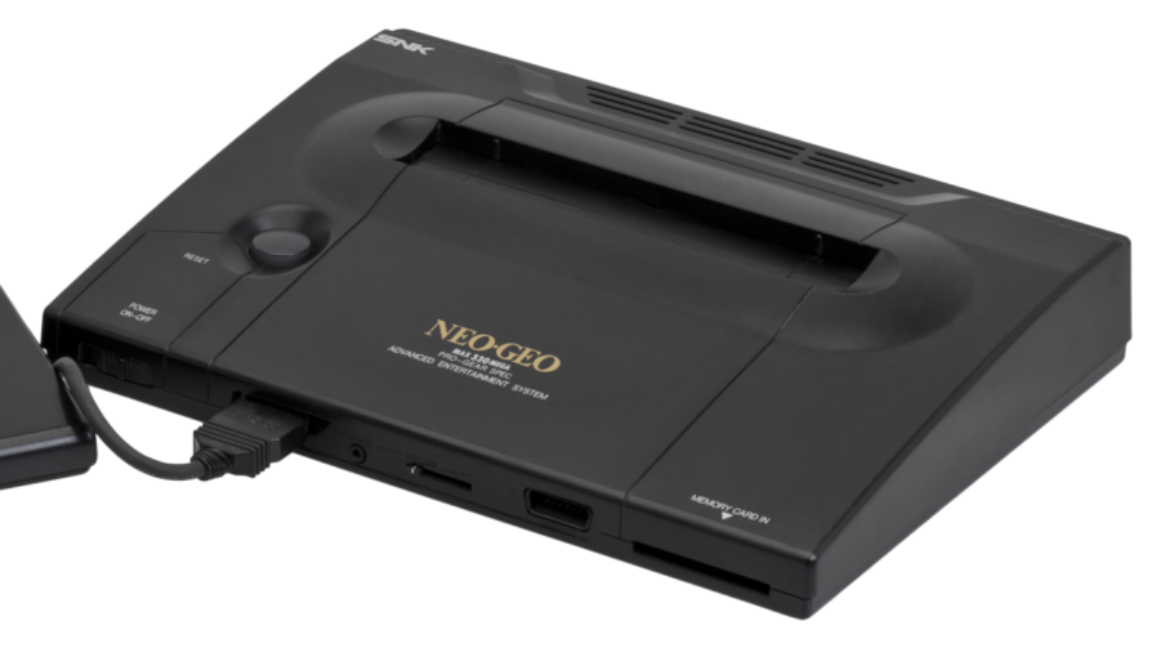
Consider the Neo Geo, an early ’90s console with a respectable reputation for pixel-pushing power and an eye-watering launch price. On the surface, it seems like the perfect candidate to host a port of the notoriously easy-to-port Doom.
But deep diving into the architecture reveals a snag. While the Neo Geo houses a Motorola 68000 CPU—the same foundation powering systems that have already seen numerous homebrew Doom ports, such as the Commodore Amiga—that specific configuration proves to be fundamentally ill-suited for the demands of running the classic title.
This creates a fascinating paradox. We see systems where custom exploits and software hacks bypass limitations to run the game, but when we try to use standard console hardware, the architectural constraints step in and make porting functionally impossible. It suggests that the true challenge isn’t about brute force, but about understanding how the hardware is built.
Buy on Amazon
Credit