Why Blue Team Only Wins 15% of Wardogs Games a Color Expert Reveals
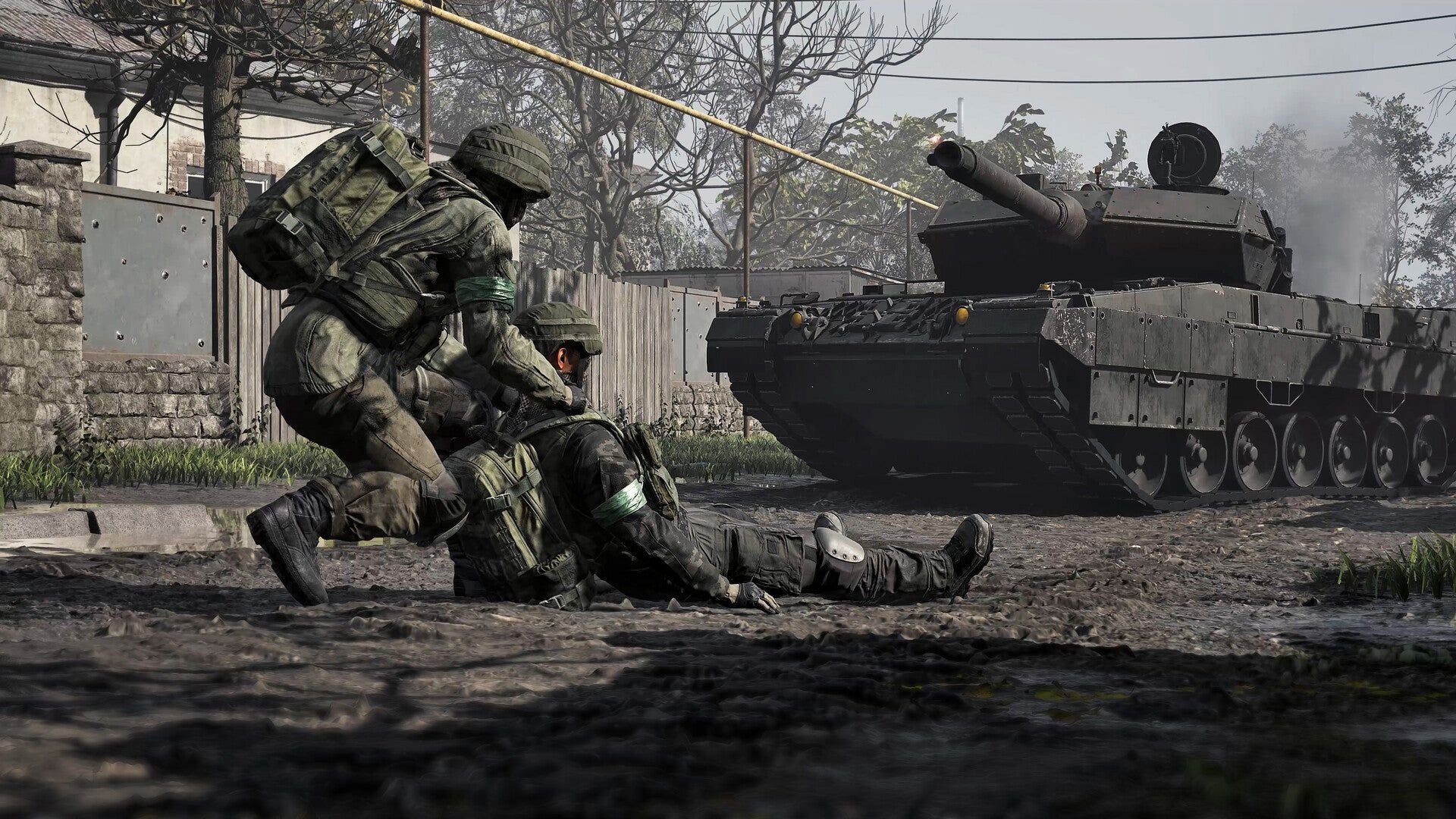
In the chaotic world of free-for-all sandbox military games, where tanks fire shells and helicopters blast the skies, a deep-seated mystery persists: why does one team consistently fall short? Enter Wardogs, a battleground divided into three factions—Valkyra (Red), Manticore (Green), and Lonestar (Blue). While all teams possess the same equipment and equal chances to victory, the data suggests an undeniable imbalance. Why does the Blue Team seem destined for defeat?
For a time, Lonestar became less a competitive faction and more a running joke. It quickly morphed into a massive online meme, filled with montages showcasing spectacular failures—helicopters crashing before takeoff, botched maneuvers, and questionable attempts at revival. It was a cycle of spectacular failure that turned the Blue Team into an accidental legend, a sort of digital bumble and fail spectacle that captivated the community.
But behind the flashing failures, the numbers tell a more complicated story. While the meme may have been powerful, the statistical reality is more telling. At the peak of the notoriety, Lonestar achieved a mere 10% win rate. However, a concerted effort by players to move beyond the joke has led to a shift, pushing the Blue Team’s win rate up to around 15%. Meanwhile, the Red Team currently leads with about 36% and the Green Team commands the lion’s share with a staggering 49%. The game, it seems, is less about the color and more about the collective competence of the players.
The developers and behavioral psychologists looked beyond the surface of the colors to uncover the true source of the perceived disadvantage. Early in the game’s development, some suggested that the initial map layout and design inadvertently favored the other teams. The Blue Team’s central spawn location created a perception of fighting on two fronts, while the other teams operated on the periphery, leading to an unconscious bias.
However, the real culprit was not the hue of the uniform, but the human element. Experts in color psychology found that the issue wasn’t blue itself, but what the color represented in the context of group behavior. The perceived weakness wasn’t inherent in the team; it was a reflection of the players who occupied it. It became a case of groupthink, where the collective focus on the meme created a self-fulfilling prophecy of incompetence.
Players, wary of being associated with the failures of the meme, naturally steered clear of Lonestar. They avoided the team populated by those who seemed more likely to crash helicopters or attempt disastrous defibrillations. The issue wasn’t a bad design choice; it was a social contagion—a mind virus infecting the community.
Ultimately, the story of Wardogs reminds us that in the realm of competitive play, the balance of power isn’t always determined by the obvious. It’s a fascinating, often hilarious, lesson in how psychology, group dynamics, and a little bit of meme culture can warp our perception of reality. The true battleground isn’t the map; it’s the collective mindset of those who choose to fight.
Buy on Amazon
Credit
