Why Nintendo Makes So Many Remakes
When Star Fox and The Legend of Zelda: Ocarina of Time are slated for remake in 2026, the gaming world is buzzing. It’s a monumental announcement that signals Nintendo’s commitment to diving deep into beloved classics, but with the added anticipation comes a natural, perhaps slightly overwhelming, question among fans: is this just a bit too much?
This isn’t an isolated trend; it taps into a deep vein of nostalgia that Nintendo has skillfully exploited over the years. The company has a long history of breathing new life into its iconic franchises, demonstrating a knack for honoring the past while pushing graphical and mechanical boundaries forward.
The appetite for remakes is clearly not new on the Nintendo roster. Long before these major titles were on the horizon, the company proved its prowess in reimagining classic gameplay with titles like Super Mario All-Stars for the SNES. This early success set a high bar for what fans expect from future adaptations.
From there, Nintendo has continued to prove itself as the master of revival. We’ve seen this commitment manifest in reimagined classics such as Metroid: Zero Mission, which brought the sprawling atmosphere of Metroid into a fresh perspective, and the highly successful retro-modern experience of Pokémon FireRed and LeafGreen.
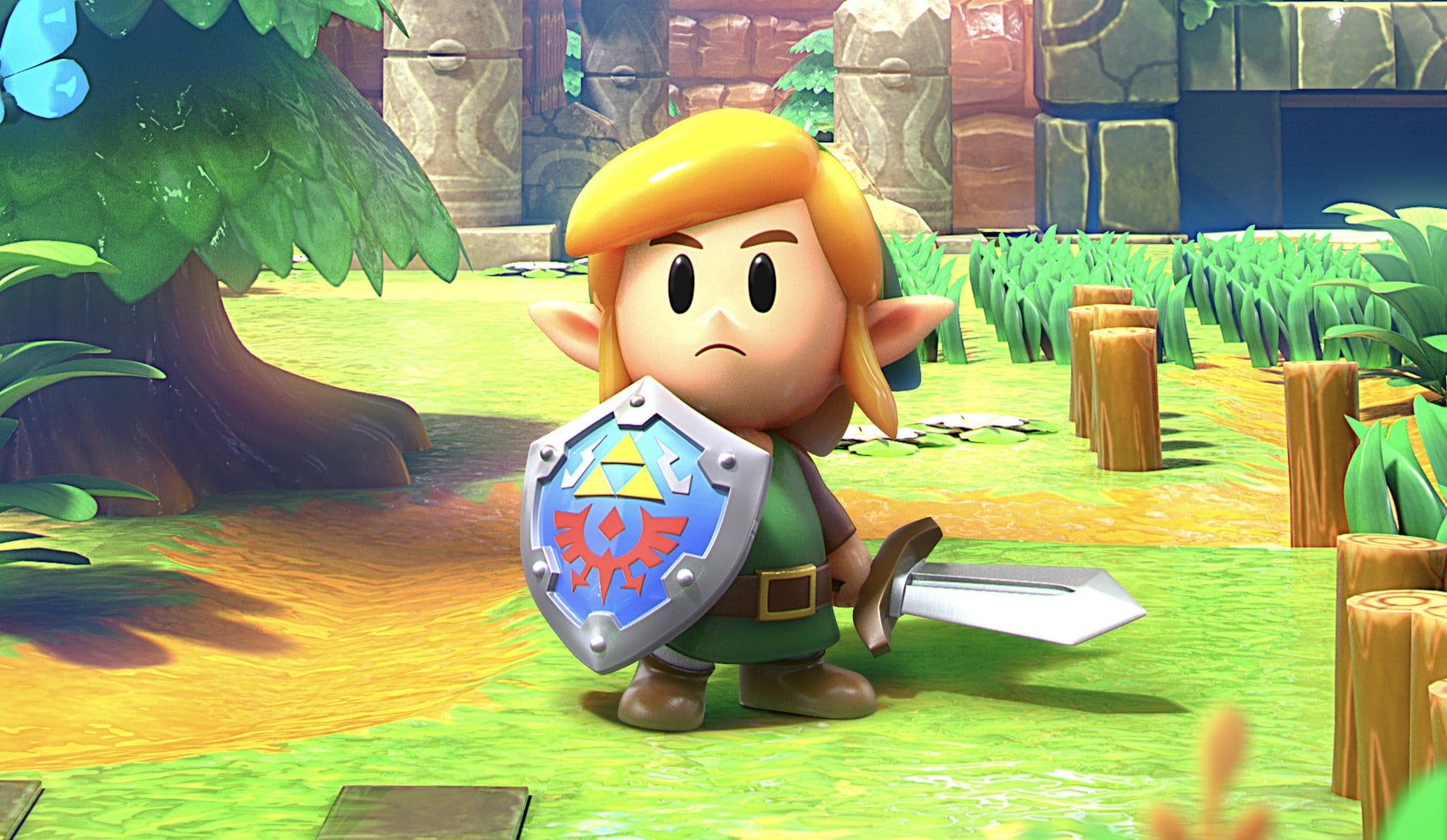
Furthermore, Nintendo has successfully revitalized foundational RPG experiences by giving them a modern polish. The remake of The Legend of Zelda: Link’s Awakening demonstrated how powerful these updates can be, proving that old worlds deserve new canvases.
These previous ventures have built a strong foundation for the expectation surrounding the upcoming remakes of Star Fox and Ocarina of Time. Each iteration proves that modernizing classic games is not just about refreshing graphics; it’s about respecting the legacy while elevating the core experience for a new generation.
As the focus shifts to 2026, the excitement stems from the promise of bringing these legendary worlds back with fresh polish. It’s a testament to Nintendo’s ability to connect deeply with its audience, reminding players that some of the greatest adventures are worth revisiting—and remaking—for the very first time.
Buy on Amazon
Credit