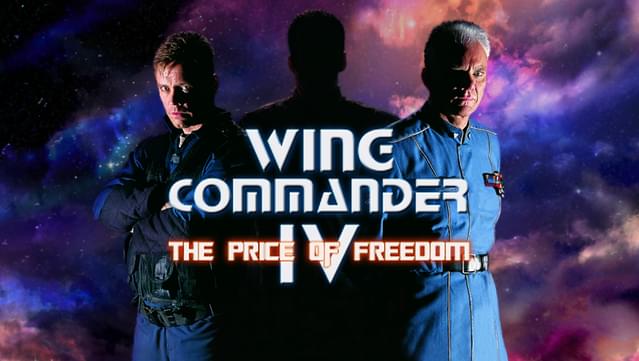
Wing Commander IV FMV action that never was
The transition from one era to the next often leaves us searching for that perfect moment—that sweet spot where personal milestones align with cultural shifts. For many, that feeling of hitting the nostalgic jackpot is found in the two-year stretch between 1996 and 1997. It was a time defined by simultaneous personal growth and an almost unbelievable sense of inevitability about the world turning toward something better.
While the outside world settled into a more optimistic rhythm—the specter of the Cold War faded into memory, replaced by a less anxious geopolitical landscape—personal life was unfolding in spectacular fashion. This period involved major milestones: graduating from high school, diving into college life, and, most profoundly, finding true love. It felt like the universe was conspiring to make those years feel both manageable and magical.
Beyond personal timelines, the cultural imagination of the time was equally explosive. Gaming tastemakers were already envisioning a future where digital entertainment would redefine cinematic experiences. The idea wasn’t just about better graphics; it was about a complete fusion of Hollywood spectacle and interactive design, birthing what some dubbed the Wing Commander IV era of “Silliwood revolution.”
This vision promised an end to passive viewing. Imagine audiences no longer merely sitting in theaters watching a movie, but actively participating in its unfolding narrative. The future envisioned by early gamers and media innovators was one where the final act was truly up for grabs, driven by audience choice rather than directorial decree.
The technological ambitions of that time seemed endless. On the computer front, the clunky graphics and limited art styles of earlier games were poised to give way to massive special effects, featuring big-name actors and grand cinematic sets. The potential for fully interactive entertainment felt not just probable, but inevitable.
This blend of high-stakes technology and creative freedom found a concrete example in the realm of gaming. Games like Wing Commander IV: The Price of Freedom embodied this forward-looking spirit. They were not just digital pastimes; they were sprawling worlds built for exploration, demonstrating how interactive storytelling could reach new heights.
Even set pieces from blockbuster films reflected this emerging cinematic ambition. For instance, elements like the “Grand Assembly” chamber in Wing Commander IV filming demonstrated how complex and ambitious these virtual realities could become when brought to life on screen. These moments perfectly captured the spirit of an age grappling with immense change while simultaneously dreaming about limitless possibilities—a time when the future felt as exciting as the present.
Buy on Amazon
Credit