Wolf Among Us Remastered Review
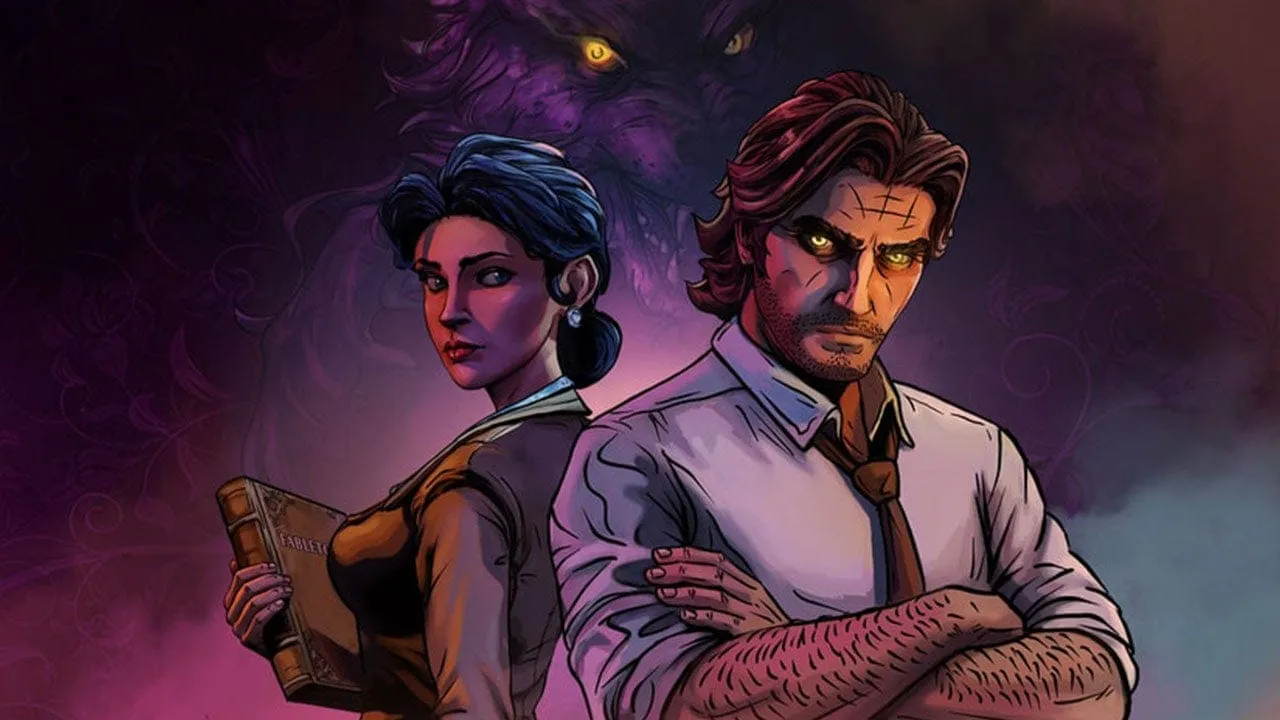
In the world of prestige television, some sagas manage to blend gritty realism with high fantasy, and The Wolf Among Us is a prime example. Released in 2013, this neo-noir adventure earned widespread acclaim, proving itself one of Telltale’s finest achievements by merging captivating storytelling with a heady atmosphere and sharp writing.
The story casts players in the shoes of Sheriff Bigby, known affectionately as the Big Bad Wolf, who must navigate the bizarre social fabric of Fabletown—a New York suburb where folklore characters coexist with humans. Set roughly two decades before canon, the narrative drops the player into a gripping murder investigation, forcing Bigby to use his keen nose and perception to uncover the culprit. The stakes are high: if the human investigators fail, the secret society of Fabletown risks total collapse.
Beyond the whodunit, the narrative dives deep into complex social issues. As Bigby unravels the mystery, he is not just tracking down a killer; he is pulled into a web of class consciousness, poverty, and abuses of power. He must lean on familiar figures from folklore, such as Snow White, The Little Mermaid, and Bufkin from The Wizard of Oz, to chase leads, demonstrating how the systemic inequalities of the community weigh on the law and order.
The interactive nature of the game brilliantly captures this moral ambiguity. Players make choices that ripple through the story, forcing difficult decisions about whether to pursue justice by the book or through morally grey actions. Whether pushing citizens for answers or aligning with their desperate positions, the journey highlights the fine, often brutal, line between good and evil.
The gameplay itself is cleverly layered. Players navigate tense conversations where every response carries weight, and they face dramatic action sequences. These sequences, involving quick time events and gruesome animations, keep the momentum high as Bigby deals with the physical dangers of Fabletown. The dialogue, while referencing fairy tale motifs, remains emotionally charged and avoids feeling corny, successfully melding the whimsical with the seedy.
The experience is further enhanced by intentionally designed locations that reflect the characters’ personalities. From Bigby’s sparse flat to the stylish but seedy atmosphere of Puddin ‘n’ Pie, the environment itself becomes a character, deepening the sinister mood of the setting.
When the game received its remaster, the focus shifted toward visual polish and environmental storytelling. The revamped set dressing introduced incredible detail, making spaces like Aunt Greenleaf’s apartment even more atmospheric. However, the journey to perfection involved some friction points. While the visual enhancements glowed, some players noted that the character animations, particularly Bigby’s movements, occasionally felt stiff or robotic, which slightly detracted from the overall cinematic experience.
Despite minor technical refinements, the remaster successfully packaged bonus features for fans, including a playable Noir game mode and a digital gallery. These additions, alongside fascinating developer insights and deleted scenes, offer a rich peek behind the curtain, ensuring that The Wolf Among Us remains a compelling and deeply memorable piece of interactive storytelling.
Buy on Amazon
Credit