Wolverine’s Director Explains Logan’s Short King Status
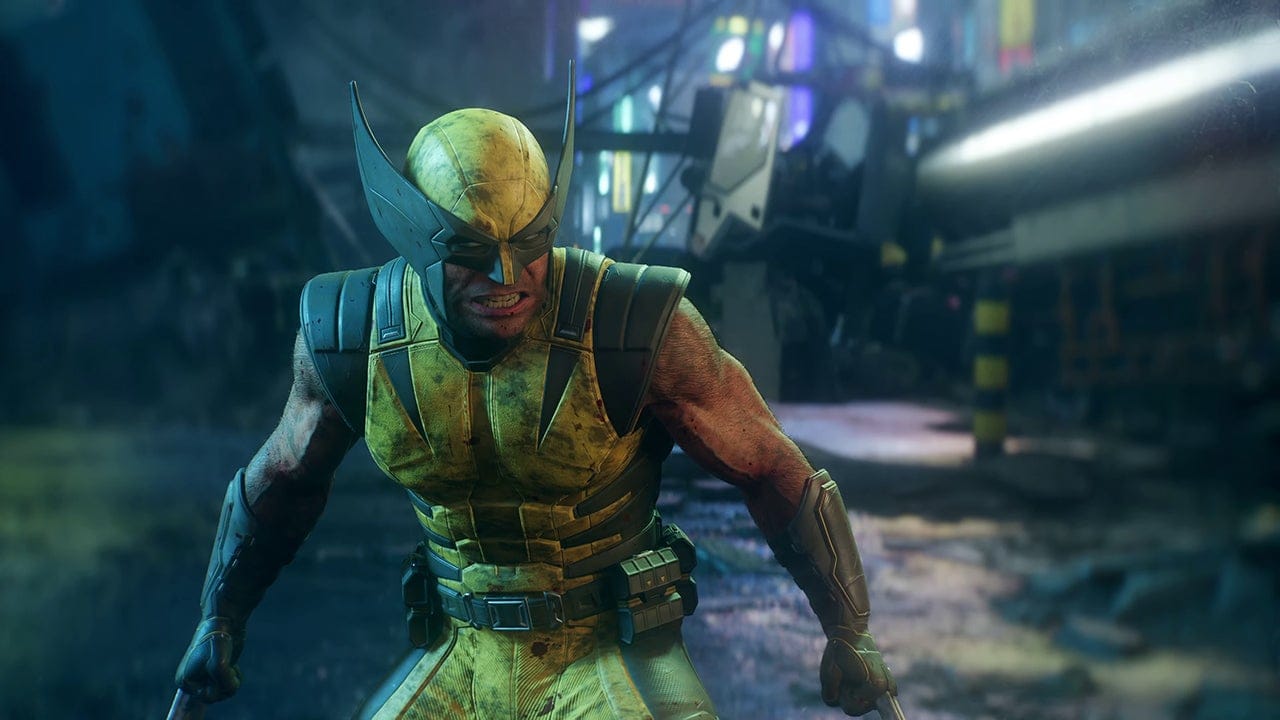
When superhero games drop, fans often focus on explosions and action, but the true magic often lies in the subtle, deeply felt relationships between characters. In the world of Marvel’s Wolverine, the narrative design choices behind the iconic conflict between Logan and Sabretooth reveal a fascinating focus on emotional authenticity.
Narrative director Walt Williams recently opened up about why the physical design of the duo was so important, specifically addressing why Logan was intentionally made significantly shorter than his hulking counterpart, Sabretooth. He argued that portraying their dynamic required digging into the emotional reality of their bond rather than simply presenting them as antagonistic, alpha-male figures.
“Anger and rage is a response to something,” Williams explained. “It’s usually a response to some feeling of loss or a perceived feeling of loss. Simply telling a story where the relationship is antagonistic, just because it is, didn’t fit what we were trying to reveal about Logan and the depth of his feelings.”
Williams emphasized that for the audience to truly empathize with their emotional journey, both characters needed to feel the full weight of their shared experience. “Because Sabretooth is a dark mirror of Logan,” he continued, “if we want people to understand how much this character feels, Sabretooth also has to feel just as deeply. He needs those feelings of yearning and tenderness and loss. They just express themselves in the darker side of that.”
This emotional parity was reflected in their physical presentation. The difference in height between the two mutants is not just a visual quirk; it is a narrative tool. In the comics, Sabretooth is six feet, six inches tall, while Logan is five feet, three inches. The game captured this dynamic, which many fans lauded for faithfully staying true to the source material.
The developers were meticulous about this detail, even adjusting character models to ensure the sightlines felt authentic—making sure Logan was looking up at Sabretooth, and vice versa. This subtle adjustment, based on real-world actor measurements, helped ground the fantastical drama in a relatable physical reality.
Ultimately, the success of Marvel’s Wolverine rests not just on the action, but on the nuanced, complicated history shared by its central figures. By prioritizing emotional depth, the game managed to deliver a portrayal of a relationship built on shared pain and conflicting desires, making the conflict between Logan and Sabretooth feel less like a simple fight and more like a profound expression of loss.
Buy on Amazon
Credit
