Wonder Man showrunner reacts to cancellation: “I wrote the first episode”
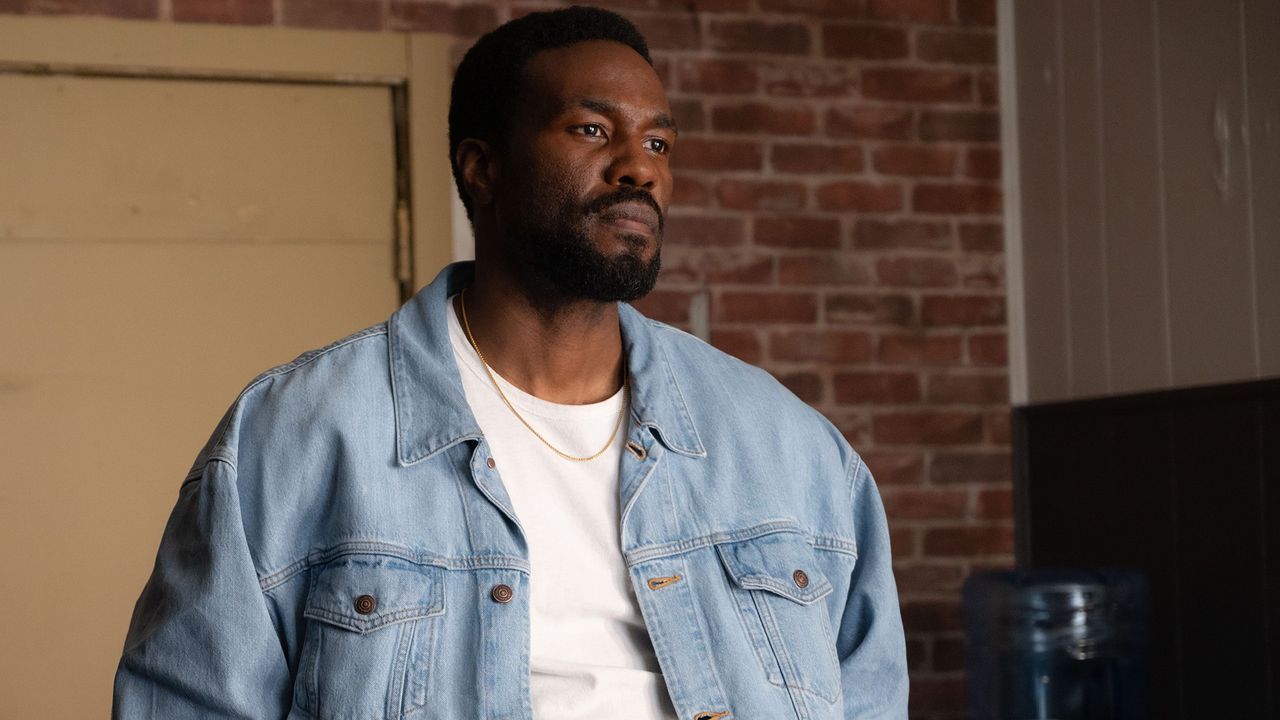
The Unexpected Curtain Call: Why Wonder Man Was Cancelled
When news broke that Marvel had cancelled the television series <Wonder Man>, the reaction wasn’t just disappointment among fans; it was genuine shock among the creative team. This decision felt particularly jarring because just months prior, there was renewed excitement and concrete plans for a second season on the horizon.
Showrunner Andrew Guest, who had poured his passion into the project, quickly stepped in to address the noise online, clearing up rumors that suggested a simple marketing ploy or scheduling conflicts were behind the move. He stressed that the cancellation was not a stunt; there was no movie in development, and crucially, the schedules of key talent like Destin Daniel Cretton and stars Yahya Abdul-Mateen II and Sir Ben Kingsley posed no obstacles.
The speculation immediately turned toward the monumental success of <Spider-Man: Brand New Day>, a film directed by Cretton which has been projected to earn nearly $1 billion worldwide. Many assumed that this massive box office achievement was the catalyst, suggesting Marvel opted to redirect its focus onto bigger cinematic endeavors at the expense of their television projects.
However, Guest made it clear that while external pressures might influence studio choices, the internal decision rested on a different axis. He confirmed that the entire team—Cretton, the cast, and himself—loved making <Wonder Man> and felt passionately about continuing the storytelling. They were eager to deliver an incredible sophomore season.
Despite the positive critical reception of the series, which boasts a strong Rotten Tomatoes score of 91%, the show ultimately faced an internal reassessment by Disney and Marvel. Guest admitted that a fundamental decision was made at the executive level that simply did not align with their current strategy, even if it seemed perfectly viable just a few months earlier.
The situation highlights a common tension in large media corporations: the conflict between creative vision and corporate priorities. While fans continue to debate what stories are prioritized on streaming platforms, the reality for creators is that decisions about content often come down to strategic business goals rather than artistic merit alone.
Ultimately, the cancellation of <Wonder Man> serves as a reminder that behind every spectacular entertainment project, there are complex commercial calculations at play. It remains an open conversation about what stories deserve to continue telling themselves on screen.
Buy on Amazon
Credit