WoW’s Future Revealed: Blizzard’s Plan for the Next Great MMO
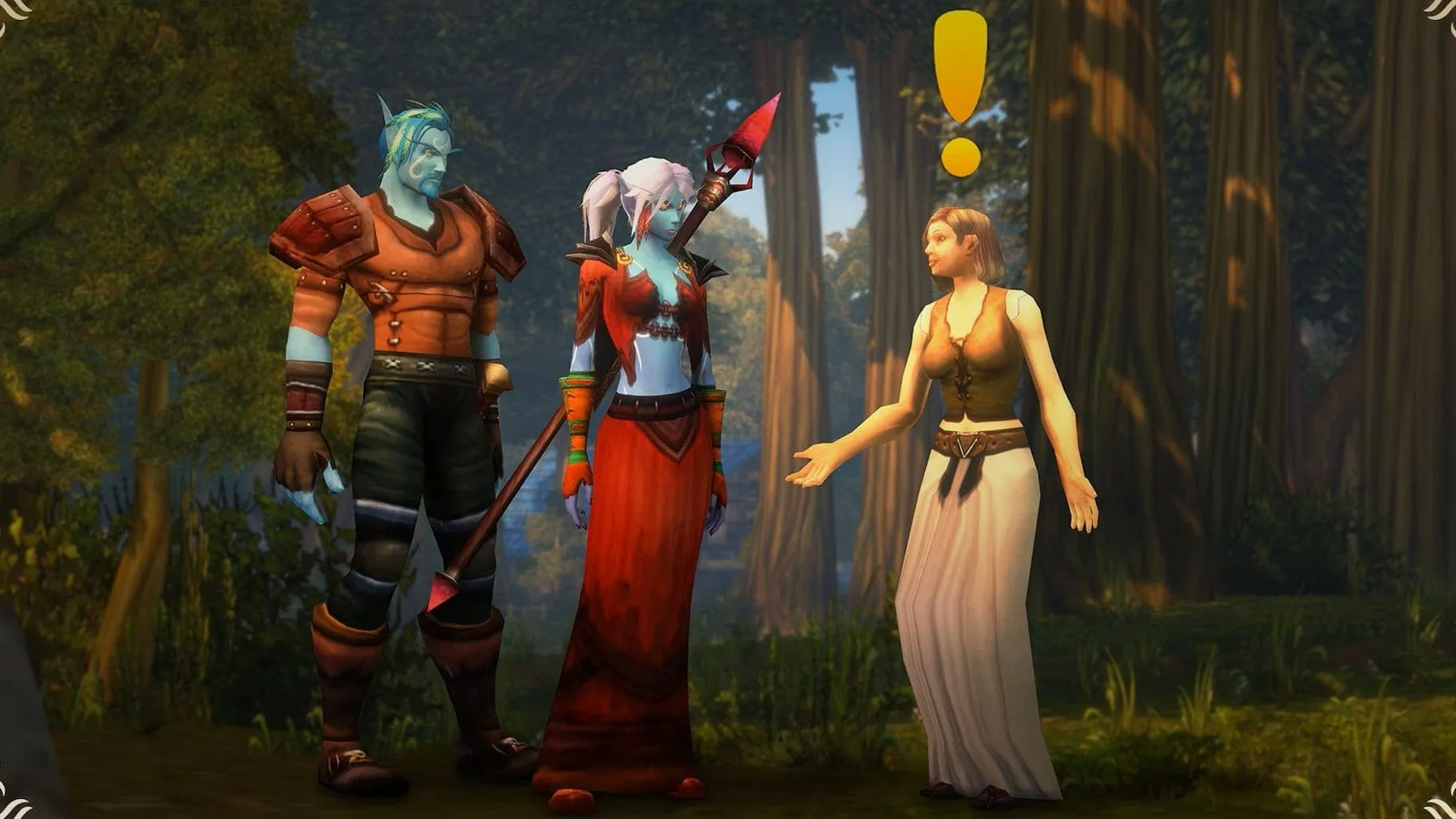
This conversation delves deep into the philosophy behind World of Warcraft‘s world design, social mechanics, and the management of its various timelines and lore. The discussion touches on how to foster positive player behavior, utilize historical content for worldbuilding, and manage the complexity of having multiple game versions.
Here is a breakdown of the key themes and arguments:
—
1. Social Design and Community Resilience
The initial discussion focuses on how social structures influence player behavior:
Resilient Networks: Using different sized groups (10-player raids vs. 40-player raids) and cross-group interaction creates a more resilient social network. This encourages people to seek out and connect with others, rather than being isolated.
Positive Inducement: The core belief is that people are fundamentally good. The design should encourage positive social interactions rather than negativity.
Repetition and Kindness: The concept of the “recently played with” list is used to keep players connected to past interactions (trading, grouping). Repeated social interactions, whether with strangers or neighbors, encourage kindness and less negativity.
2. Lore Echoes and Worldbuilding
The conversation explores how to layer history onto the existing game world, using past eras to inform the present:
Time as Perspective: The discussion on the Classic era highlights that players have different memories based on when they played. Zierhut suggests that distance allows players to appreciate the greatness of older eras, making all of them “amazing in different ways.”
Echoing Past Events: There is a desire to incorporate events from later expansions (like Burning Crusade or Cataclysm) as echoes in the current timeline. Examples cited include adding lore from Mudsprocket or creating new zones based on events that occurred post-Classic.
Deepening Exploration: The desire to explore previously inaccessible areas, such as the Emerald Dream and Grim Batol, suggests a desire to flesh out the world based on its forgotten history.
3. The Multiverse and Timeline Management
A major part of the dialogue revolves around the implications of having multiple game versions (Retail, Classic, Forever):
Contextual Gameplay: The speakers acknowledge that players naturally gravitate toward the experience that suits their goals (e.g., high-end endgame progression in Retail vs. historical context in Classic).
Downtime Potential: Zierhut suggests that there will be opportunities for downtime where players can engage with different games—using one for high-level progression and the other for character leveling, tradeskills, or legacy content.
Timeline Flexibility: There is an openness to exploring alternate timelines, suggesting that while a focus exists, the existence of different eras offers rich material for storytelling.
4. Racial Design and Thematic Choices (The Skyborne)
The discussion turns to the rationale behind specific races, particularly the introduction of the Skyborne Elves:
Factions and Balance: The reason for introducing Elves on both sides was to address faction imbalance, as players often desire aesthetic options beyond the standard races.
Refugee Narrative: The Skyborne Elves are framed as refugees from a previous civilization, linked to the Elemental Plane of Air (the Skywall architecture), which ties them deeply into the broader elemental mythology of Azeroth.
Connecting Lore: The goal is to ensure that new story elements and races are deeply connected to the existing, overarching narratives of the game.
Conclusion: The Opportunity in the “Base World”
Ultimately, the conversation suggests that the greatest opportunity lies in the base world itself. By using the history of different eras, the existing geography, and the potential for varied player engagement, the developers can create a rich tapestry where new stories and explorations feel organic and deeply earned, rather than simply tacked on. The ability to reference past events gives players multiple avenues to experience the world, fulfilling the desire for deeper, more varied narrative possibilities.
Buy on Amazon
Credit