Wuhu Island is Back! Nintendo Switch Sports Resort Preview
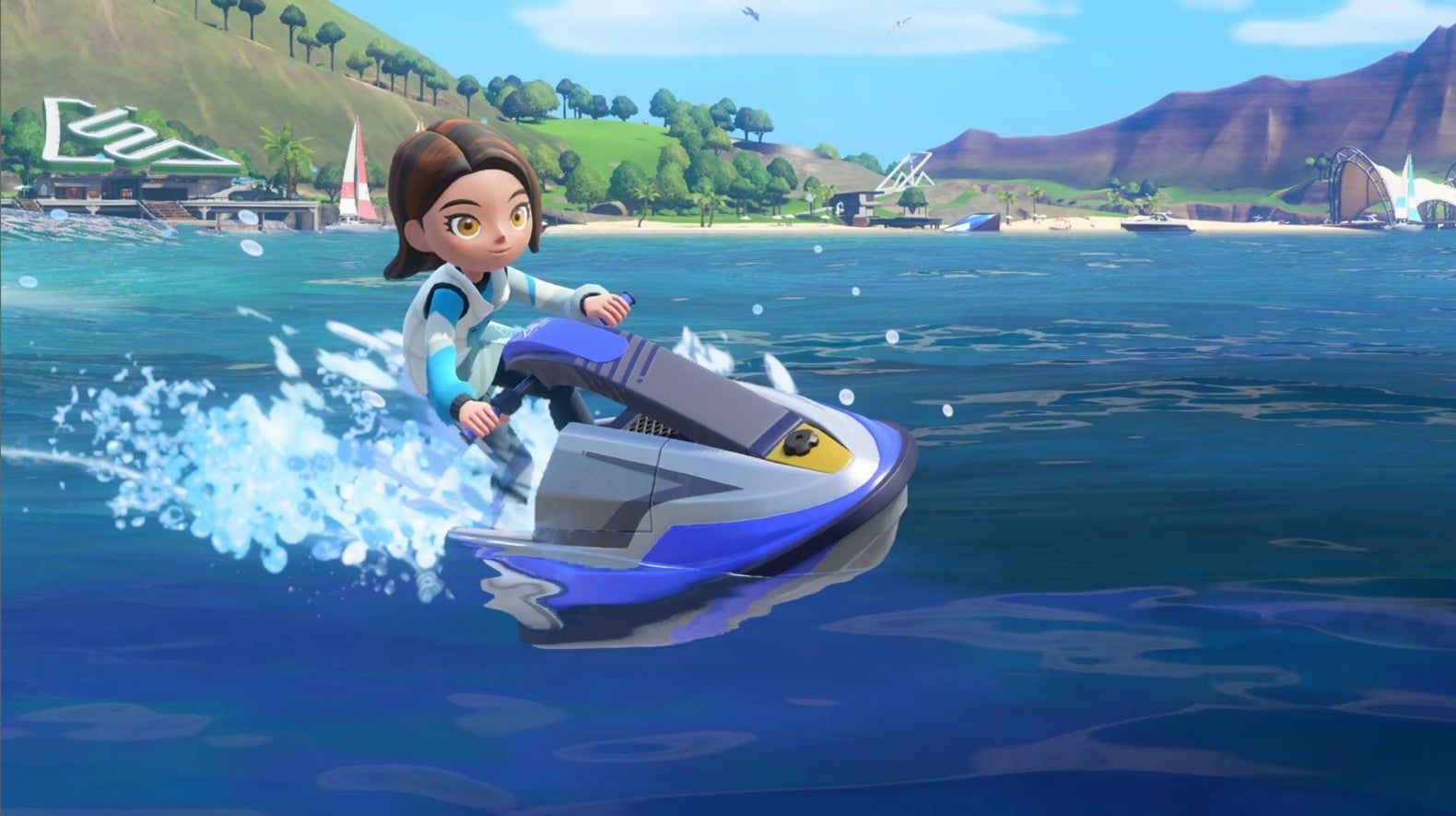
The paradise found on Wuhu Island is more than just a vacation spot; it’s a vibrant tapestry woven from the spirit of competition. Long before the Nintendo Switch brought us back to this idyllic setting, Wuhu Island had already cast its spell across the landscape of gaming. It existed as a theme park disguised as a tropical resort, built entirely around sports and the exhilarating pursuit of competition.
This island held a special place in Nintendo’s history, appearing as the main stage for various titles, from Pilotwings Resort on the 3DS to stages in Mario Kart 7 and Super Smash Bros. At one point, the concept was so influential that it even sparked conversations between Shigeru Miyamoto and Satoru Iwata about turning the island itself into a Nintendo character.
The original experience with Wuhu Island was unforgettable—a summer spent swordfighting in the arena, wakeboarding along the shores, playing frisbee on the beaches, and honing archery skills within the central volcano. It was an immersion that captivated us, even when paired with the fun of family and friends playing Wii Sports Resort.
Now, Nintendo is inviting us back to this cherished destination with Switch Sports Resort, promising a new era of motion-controlled sports action. This return feels particularly exciting, offering a fresh spin on familiar concepts while leveraging the advancements of the current console generation.
During a recent demonstration at San Diego Comic Con, the excitement was palpable as players dove into twelve different sports, including archery, bowling, power cruising (a trademark-free term for jet skiing), and thumb wrestling—a skill Nintendo’s Yoshiaki Koizumi famously showcased during a recent Nintendo Direct.
The new iteration of Resort seems poised to address some of the limitations of its predecessor. While relying on simple motion controls with the Joy-Cons, each sport is cleverly designed to utilize the controllers in unique ways. For instance, bowling brought back a classic challenge where a single red pin signaled an army waiting to be knocked down. Archery offered a freedom that was simply impossible on the Wii, allowing players to draw their arrows back further and engage with the environment.
Thumb wrestling introduces a brand new dynamic, requiring players to use the trigger for weaving motion while trying to outsmart opponents, offering a unique form of one-on-one battle. Even power cruising felt interactive, allowing players to simulate revving an engine for a boost as they cruised around simple courses in the ocean.
The way these sports utilize the Joy-Cons is innovative. Players held the controllers vertically for bowling, used them like handlebars for cruising, and employed specific grips for thumb wrestling. This shift shows a commitment to making the motion control truly versatile, with the gyro aiming on the Switch 2 already providing a massive improvement over earlier drifty motion controls.
Despite these fresh mechanics, some elements of the original franchise remain points for reflection. While the new lineup is robust, the deep combat felt less intricate than previous iterations, and the character designs—the Miis—while charming, could be more central to the experience, especially given the recent resurgence in popularity of Mii-based titles.
Ultimately, Wuhu Island remains an excellent vacation destination, a place fit for all forms of competition. As we explore the remaining sports, we are reminded that while nostalgia fuels the return, the true joy lies in discovering the potential of this island for new and exciting motion-controlled adventures.
Buy on Amazon
Credit