Xbox CEO on Battle.net vs Steam after The Witcher 3
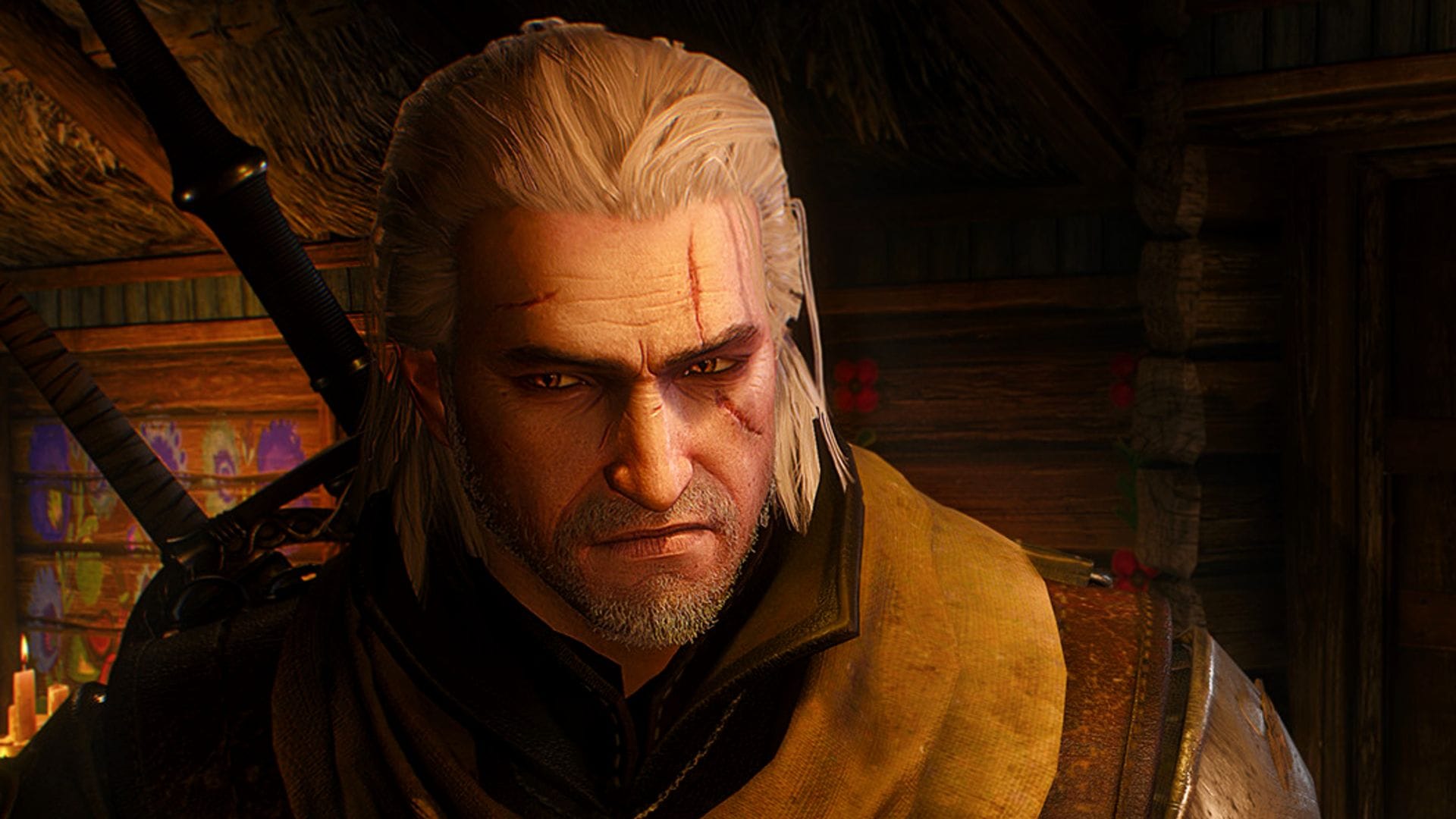
The Great Platform Divide: How Blizzard is Redefining the Digital Storefront
In the ongoing digital arms race for gaming dominance, where Steam has set the standard, major publishers are carving out unique digital territories. Now, Blizzard is pushing its storefront, Battle.net, further into its identity, making strategic moves that signal a clear intention: not to chase a direct replication of the behemoths, but to serve a highly specific community.
This new approach comes with high-level commentary from the executive suite, offering a fascinating glimpse into the philosophy behind platform building. Xbox CEO and executive vice president Asha Sharma recently echoed this sentiment, emphasizing that the move to integrate titles like The Witcher 3 onto Battle.net is not about creating a Steam competitor. Instead, the goal is to honor the interests of the dedicated player base.
Blizzard’s leadership has been crystal clear on this distinction. Andrew Guerrero, Blizzard’s vice president of product management and global insight, confirmed that the company is not attempting to mimic the strategies of Steam or the Epic Games Store. The focus remains squarely on cultivating an existing, passionate core of players—those who love Blizzard titles and similar experiences.
The strategy is one of highly selective curation. Rather than simply hosting any game willy-nilly, the plan is to ensure that any title joining Battle.net must resonate with that dedicated audience. This curated approach prioritizes quality and community fit over sheer volume.
Sharma articulated this vision by hinting that Battle.net is poised to grow and maintain a user base nearly as strong as Steam, but it will never aspire to be Steam. The future of Battle.net, she suggested, is intended to be a more tailored and refined storefront, distinguished by its focus.
Currently, Battle.net serves as a vibrant hub for the Blizzard ecosystem, housing beloved titles like World of Warcraft and Diablo 4. It also features carefully selected partnerships with other major studios, including entries from Call of Duty and gems from Xbox Game Studios such as Avowed and Sea of Thieves. This existing roster demonstrates the platform’s capacity to host diverse, high-quality experiences.
By focusing on what makes the community tick, the leadership is taking a measured approach. The underlying message is that success in the fragmented gaming landscape won’t come from copying rivals, but from building a space that is authentically tailored for its specific group of enthusiasts. Only time will tell how this curated path will evolve into the future of digital distribution.
Buy on Amazon
Credit
