Xbox Cloud Gaming: Buy extra playtime in the ‘own nothing’ era
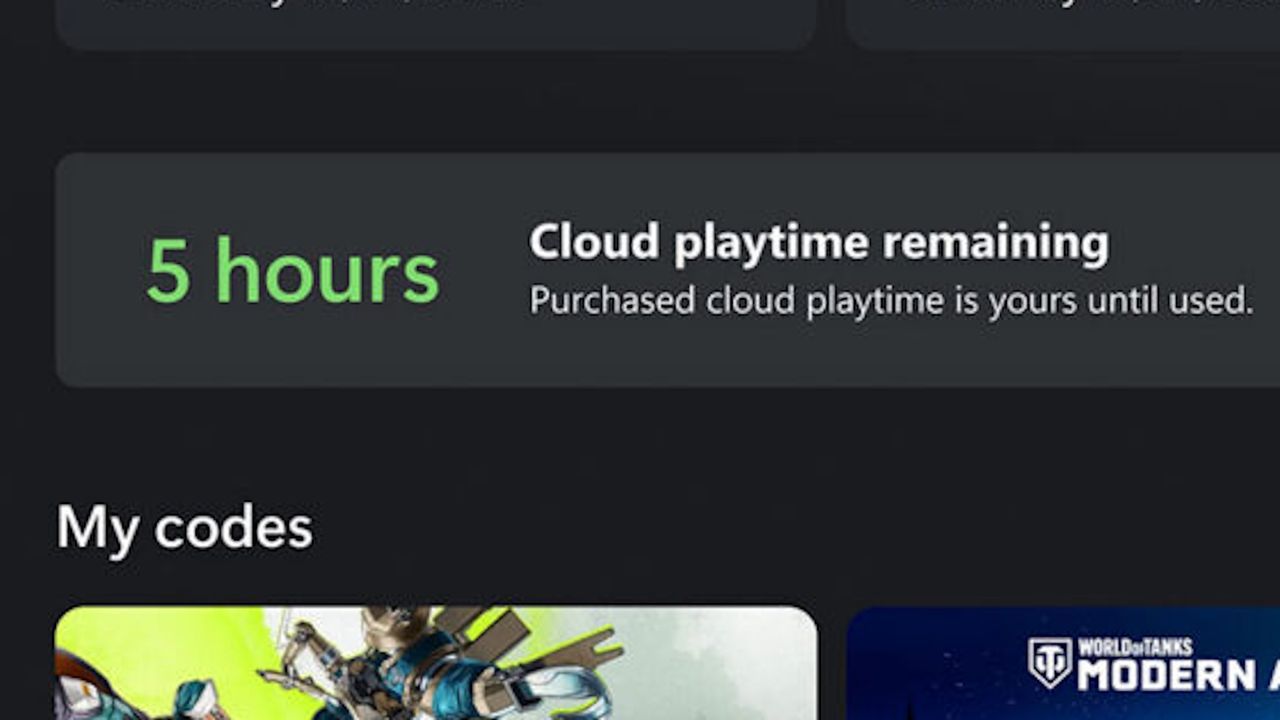
The Great Cloud Gaming Time Crunch: Microsoft Imposes Monthly Limits on Xbox Playtime
For many gamers, the convenience of Xbox Cloud Gaming has been a dream—a way to jump into massive titles without the hassle of powerful hardware. However, that seamless streaming experience is about to take a little hit. Microsoft is introducing monthly playtime limits for Xbox Cloud Gaming, capping how much time subscribers can spend streaming games based on their Game Pass membership tier.
Starting in November, eligible Game Pass subscribers will face new restrictions. The amount of cloud gaming time available will depend entirely on the subscription level:
- Game Pass Ultimate members will receive 15 hours per month.
- Game Pass Premium subscribers will get 10 hours per month.
- Game Pass Essential subscribers will be limited to 5 hours per month.
What does this mean for the dedicated gamer? If you hit your monthly limit, you won’t be able to stream games through the cloud until the next billing cycle rolls around. While you could always upgrade your membership for more time, or opt to purchase extra playtime directly through the Xbox Store, the immediate consequence is a pause in the action.
Microsoft framed this move as a necessary economic adjustment. They argue that providing unlimited cloud gaming has become increasingly costly, and implementing these monthly limits allows the company to maintain the service while continuing to invest heavily in reliability and performance. The underlying message is that the cost of delivering high-quality, scalable cloud gaming demands a more sustainable financial model.
This shift, however, is more than just a tweak to the service; it touches on deeper philosophical debates about digital ownership in the gaming world. In an environment already rife with discussions about digital assets and player rights, imposing limits on accessible playtime raises eyebrows. Some observers argue that offering players the choice to simply buy more time runs counter to the spirit of ownership, echoing concerns about the obfuscation surrounding how digital game purchases are handled.
The optics of the situation are certainly complex. While the mechanism allows users flexibility, the necessity of rationing playtime suggests that the convenience of “always-on” streaming is being re-evaluated. It forces a conversation: are we trading limitless access for sustained service reliability, and where does that leave the consumer? As the digital landscape continues to evolve, these operational changes serve as a timely reminder that the relationship between players and their digital content is constantly being redefined.
Buy on Amazon
Credit