Xbox digital shift: Where do the game hard drives go
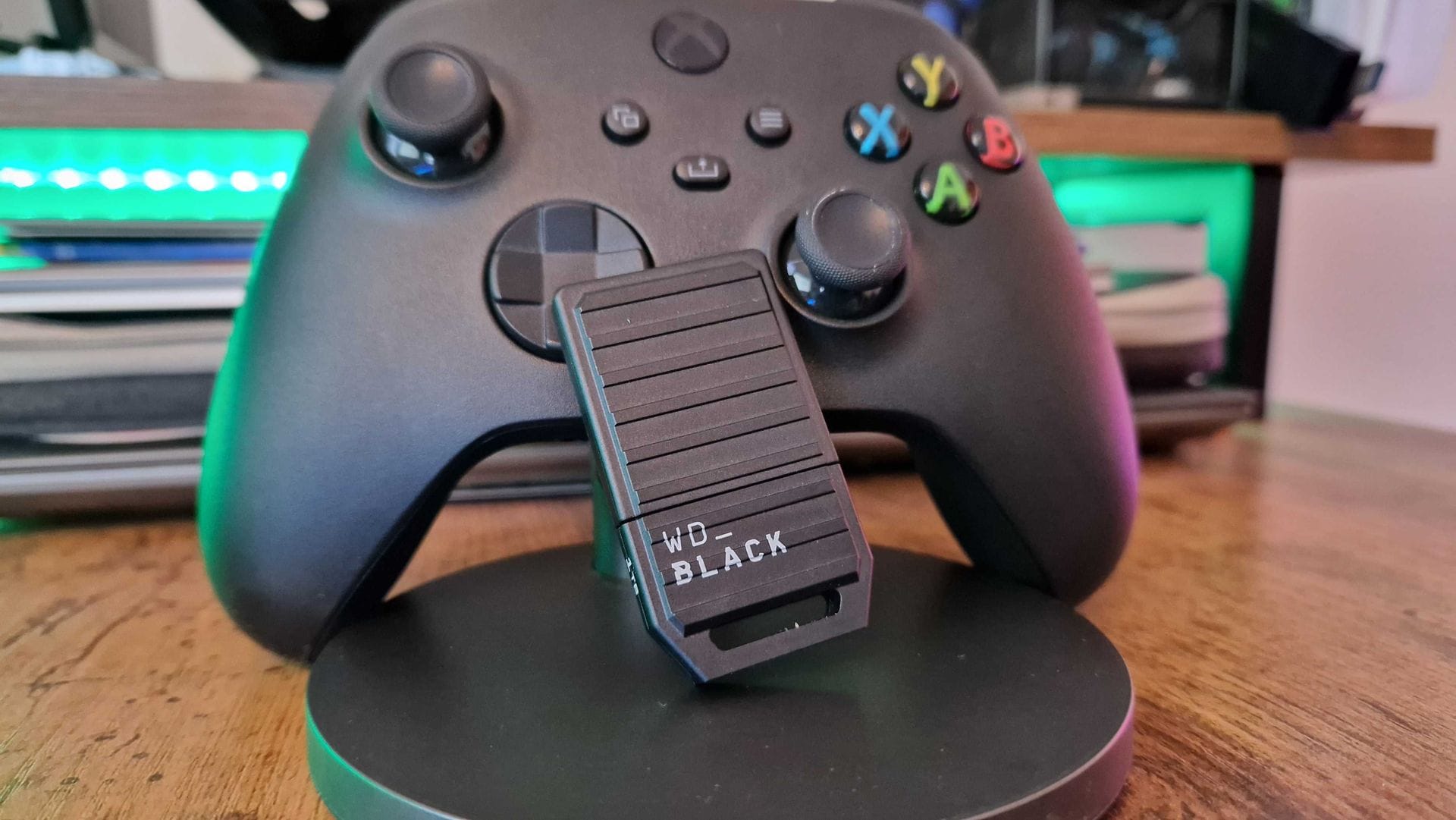
The gaming world is currently undergoing a massive paradigm shift, and for PlayStation fans, it’s a bittersweet farewell to physical media. While Sony has quietly moved toward a fully digital future, Microsoft, in its pursuit of the all-digital era, has tackled the transition with a pragmatic approach. Xbox isn’t just letting go of physical discs; it’s offering a clever system for moving the library into the digital age, leaving players to navigate the tricky terrain of storage and ownership.
Xbox has officially launched its disc-to-digital program, allowing users to transfer their physical games into digital formats, complete with a license attached. While this move feels like a concession to the inevitable, it highlights a fundamental difference in brand strategy. For PlayStation owners, the path ahead means having to repurchase physical cases digitally, keeping the physical media firmly rooted in the past. For Xbox players, the focus shifts from owning the box to owning the experience, but this transition brings with it a new set of logistical challenges.
The immediate hurdle for Xbox enthusiasts is the sheer volume of game data. When backing up that cherished library, storage capacity quickly becomes the deciding factor. The Xbox Series X console, despite its power, is equipped with limited internal storage space, meaning physical game collections require careful planning if you intend to digitize them.
If you plan to move your game library to the cloud, you’ll need external storage solutions. While some might look toward expensive, high-end SSDs, the real puzzle lies in balancing cost and capacity. A popular recommendation for backing up large game files is a drive like the 2TB WD Black P10, which offers significant space and integration. Interestingly, this solution comes with added perks, such as a month of Game Pass included.
The math of managing a large collection can be complex. Assuming an average game size of 75GB, the amount of storage you need depends entirely on how many physical titles you own. If you have just a handful of games, the system storage might suffice. However, if you have a substantial collection—say, 14 to 26 discs—the external drive requirements quickly escalate. You might need 2TB of external space, or even a hefty 4TB drive to accommodate over 53 physical games.
This calculation brings the financial reality into sharp focus. Depending on the capacity you need, external hard drives can represent a notable investment. A 1TB drive typically costs around $122, while a 4TB drive can cost nearly $187.23. This is the hidden cost of digitalization: transforming a physical collection into a digital one requires careful budgeting for the necessary hardware.
Ultimately, while Microsoft is softening the landing for its disc-to-digital rollout, savvy gamers need to factor in these logistical and financial considerations. Mastering the transition isn’t just about downloading games; it’s about smart storage management, choosing the right external hardware, and understanding the true cost of keeping those cherished gaming memories accessible for the future.
Buy on Amazon
Credit
