Xbox only for Steam subsidizes Valve cash says Microsoft vet
The journey of Xbox has been less a straight path to dominance and more a complex, winding road of strategic indecision. As one of the architects of that journey, Jon Kimmich offers a bracing assessment: Xbox must choose between being a powerful gaming publisher or becoming an undeniable, self-sufficient platform. The choice, he argues, defines the entire future of the brand.
Kimmich’s experience at Microsoft provided him with a unique perspective, allowing him to distinguish between the business side of gaming and the actual experience of playing on the Xbox. He points out that the platform—the relationship with players, developers, commerce, and community—is far more crucial than the console itself. When the focus shifts too heavily toward publishing, the platform risks withering, regardless of how many games are released.
For years, the Xbox philosophy centered on the expansive idea of “play anywhere.” While this promise successfully broadened the audience—attracting players regardless of hardware—it ultimately lacked the compelling reason necessary to make the choice. Kimmich suggests that this broad approach resulted in a platform that was “everything, and nothing; to everyone and nobody.”
The challenge lay in coherence. Xbox expanded into PC and the cloud, yet struggled to master any single environment. Unlike competitors like Valve with Steam, which focused laser-like attention on the PC customer, Microsoft never clearly answered the essential business questions: which layers must we own, and which internal business should take priority?
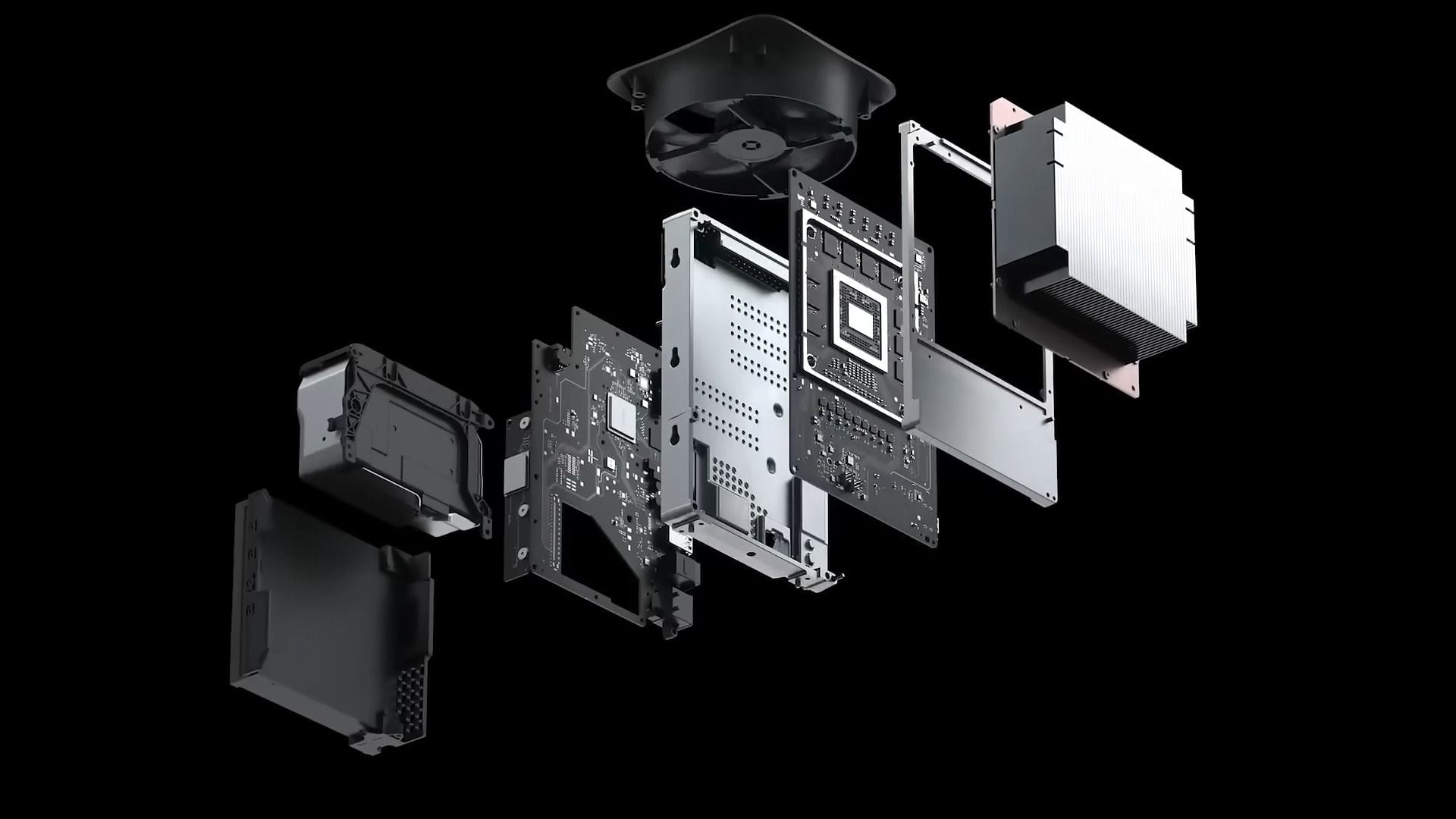
The next major test for Xbox lies in Project Helix, the planned next-generation console. Kimmich warns that without the “anchor” of a console as a signature product, the entire platform risks devolving into a mere “suite of services” available piecemeal from other sources. There is a palpable risk that Helix could become a console completely overshadowed by third parties, a scenario that would be the antithesis of the ambition seen in other platforms.
An Xbox that is only good for launching PC games is effectively subsidizing Valve’s cash register. To truly succeed, Microsoft needs to stabilize the console, establish it as the definitive reference device, and integrate the XboxOS across all Windows machines and third-party devices. Ownership of a scarce layer—the operating and commerce layer—is the key to unlocking real leverage.
The path forward requires greater boldness. Microsoft must establish the Xbox ecosystem as the primary reason players choose the brand, ensuring that the Store, first-party games, Game Pass, the cloud, and mobile services all reinforce that central promise. This requires moving beyond the traditional model and embracing the vision of an integrated operating system.
Kimmich lays out clear expectations for the next few years: genuine progress in the creator economy, faster publishing for developers, and a stable exclusivity policy that holds up over time. The clearest indicator of failure will be a premium-priced console with no clear selling point, an Xbox launcher that mainly serves other stores, and the focus shifting from building a platform to running a mere portfolio. The goal should be to own the essential layer, not just the content.
Credit
