Xbox Reset and the Future of its Franchises
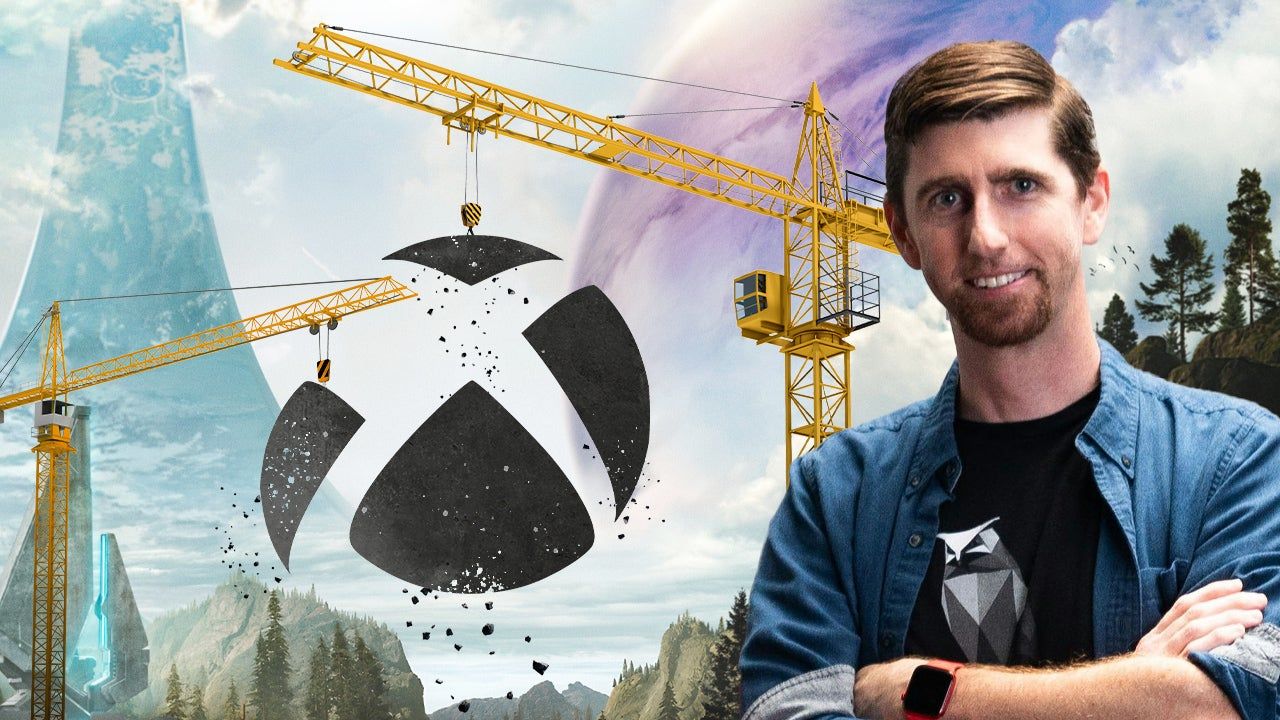
The rumble of corporate restructuring often signals a seismic shift in a company’s direction, and for Xbox, the recent wave of layoffs has been no exception. After rumors of massive cuts circulated following the Xbox Showcase, the axe finally fell at Team Green, affecting studios like Double Fine, Compulsion, Undead Labs, and Ninja Theory. While these departures were painful, they also provided a necessary catalyst for a profound strategic reset.
This wasn’t just about trimming the fat; it was about hyper-focusing the future. New Xbox CEO Asha Sharma clearly signaled that Microsoft is moving away from planning for every independent studio and instead concentrating its resources on cultivating its biggest tentpole franchises: Halo, Fallout, and The Elder Scrolls. This decision signals a dramatic pivot in how the company views its content roadmap.
In her memo announcing this “reset,” Sharma laid out a clear mandate: “We have also learned that we are not the best home for every type of studio.” Simultaneously, Bethesda boss Jill Braff echoed this sentiment, shifting development focus to prioritize the strongest franchises rather than chasing every new independent idea. The message is clear: the era of diversified content planning is over; the time for blockbuster execution has arrived.
So, how does Xbox execute this vision? It requires a radical realignment of resources, particularly in reimagining its legendary IPs. Take Halo, for instance. The franchise has often felt like it was caught in development hell, with shifts in leadership and engine technology creating a convoluted path. To fast-track the next chapter, the focus must be on proven pedigree. Instead of letting internal studios navigate the complex waters, the blueprint might lie outside the company itself.
The answer may come from the suburbs of Dallas, Texas, where id Software resides. They have a decade of experience shipping top-shelf first-person shooters and reviving iconic IPs like Doom with remarkable efficiency. By channeling this expertise—perhaps through partners like MachineGames, who demonstrated their mastery in rebooting Wolfenstein—Xbox could inject stability and proven development speed back into the Halo universe. It’s time to acknowledge the depth of the Halo canon and let a team built for action game excellence lead the charge.
This same philosophy of optimized development could revolutionize The Elder Scrolls and Fallout. For too long, these massive worlds have languished between mainline releases, suffering from multi-year development cycles that leave players waiting years for new adventures. By creating a collaborative “development circle” involving Bethesda Game Studios, the seasoned expertise of Obsidian Entertainment, and the foundational knowledge of inXile Entertainment, Xbox could establish an accelerated pipeline.
This model suggests the possibility of releasing major Fallout or Elder Scrolls titles every other year, drastically cutting down on the decade-long waiting game. Furthermore, allowing these studios to leverage shared engine technology—whether Bethesda’s Creation Engine or Unreal Engine—would streamline development and maximize efficiency. This isn’t just about making new games; it’s about unlocking an entire universe of content that has been criminally underutilized.
As Xbox navigates this new landscape, the uncertainty remains palpable. Whether it pursues Project Helix or leans further into PC and Steam, the future is certainly less about constantly launching new, disparate IPs and more about perfecting the depth and longevity of its core offerings. If the goal is to ensure that Halo remains a constant presence and that Fallout and The Elder Scrolls become living, breathing universes for their players, Xbox needs to stop treating these legends as afterthoughts and start building the inevitable future.
Buy on Amazon
Credit