Xbox reverse acquisition underway analyst says
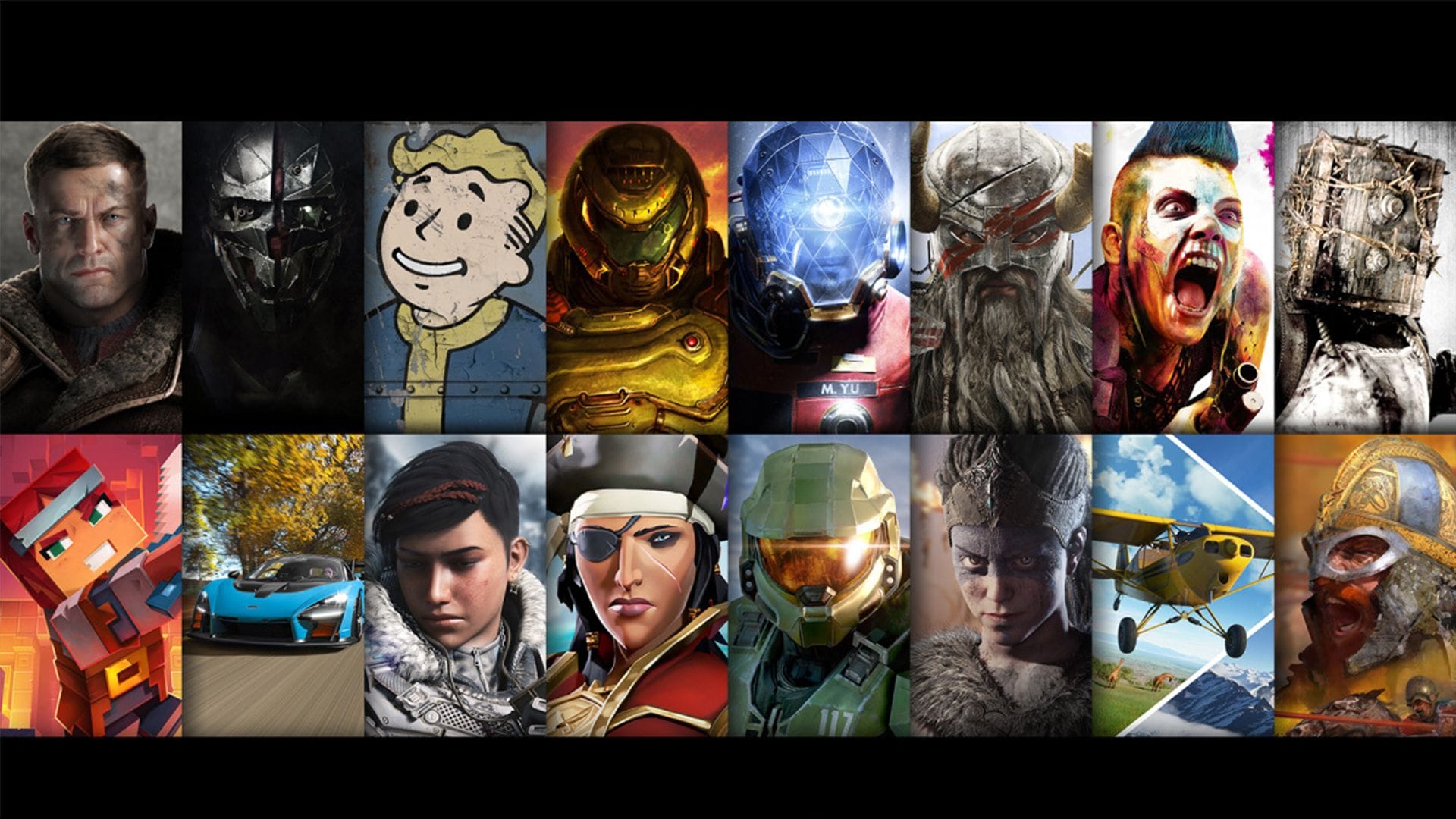
The Great Reversal: How Xbox’s Latest Shakeup Points to a Corporate Learning Curve
In the volatile world of gaming, where intellectual property and studio management are king, a recent corporate maneuver at Xbox isn’t just a series of layoffs and mergers—it’s a full-blown, chaotic reversal. What began as a massive restructuring effort has sparked a fascinating debate among industry analysts, leading some to call it a reverse acquisition of Xbox Game Studios.
Microsoft recently announced a significant restructuring, including a wave of redundancies that targeted 3,200 jobs across Xbox throughout the fiscal year. This move was accompanied by a major realignment of the company’s gaming assets. Among the most notable shifts are the consolidation of smaller teams, such as Playground Games and Turn 10, which were merged. More dramatically, the ownership of some of Xbox’s most prized properties has been shifted under the umbrella of Activision Blizzard, creating a new dynamic for franchises like Halo.
The shuffle involves some of the industry’s biggest names. Bethesda Game Studios is now overseeing a portfolio that includes Obsidian Entertainment, Rare, World’s Edge, and the entire Halo franchise, all moving under the control of Activision Blizzard. This dramatic repositioning suggests a fundamental re-evaluation of how the studio ecosystem should be managed.
Joost van Dreunen, a professor at the NYU Stern School of Business and a leading games industry analyst, has weighed in on this transition. He describes the events as a reverse acquisition, noting that folding Halo into Activision—the firm Microsoft acquired in 2023—is, at best, surprising. At worst, it serves as clear evidence of how poorly Xbox had been managing its internal studios leading up to this point.
Van Dreunen argues that while bringing Halo under the Activision banner might seem logical, it doesn’t guarantee success. He points to the recent performance of major titles, noting that the launch of Call of Duty’s biggest entry saw a sharp drop-off in player engagement. This observation suggests that the value of an IP is not solely determined by ownership, but by the quality of the management steering it.
This points to a deeper truth: Microsoft’s history of acquisitions has focused less on the raw intellectual property and more on acquiring managerial talent. The current situation suggests a slow-motion reverse acquisition, where the publisher may be paying a hefty price for the division best equipped to run the studios Microsoft built itself.
Ultimately, this massive corporate pivot reflects a wider industry trend. As studio closures and ownership lines blur, the focus shifts from acquiring content to successfully stewarding it. In the current climate, it seems the gaming world is proving that sometimes, the best move isn’t about what you own, but about who is guiding the ship.
Buy on Amazon
Credit
