Xbox sales crash: Demand exceeds console supply
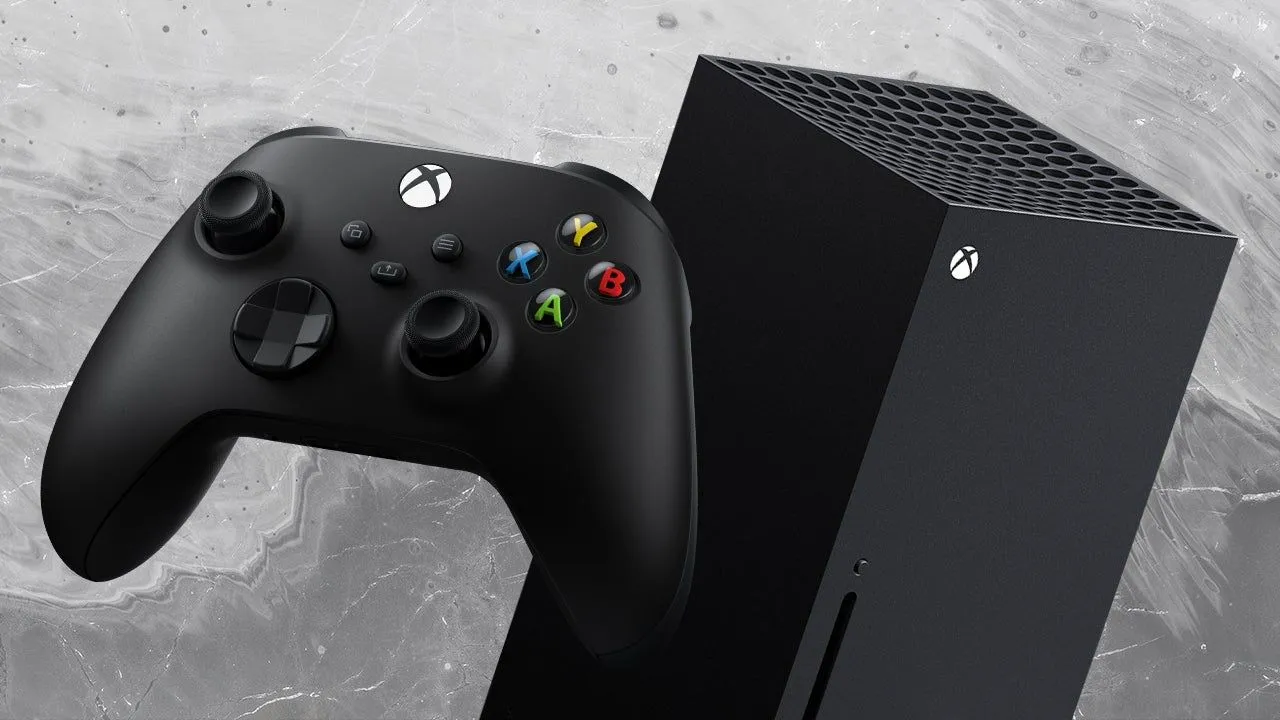
As the crucial holiday season approaches, the gaming world is buzzing with high expectations, but behind the hype, the Xbox operation is navigating a complex landscape of soaring demand and constrained supply. Despite these pressures, Microsoft’s gaming division is making strategic moves, aiming to turn industry volatility into a strong financial performance.
Microsoft recently released its quarterly results, revealing a familiar pattern of ebb and flow. While overall Xbox revenue saw a slight 2% decline year-on-year, this figure represented an improvement over the sharp 10% drop seen in the preceding quarter. The story of Xbox content and services revenue mirrored this trend, dipping by 2% and 1% in constant currency. This dip was partially driven by fluctuations in third-party content and Xbox Game Pass, though growth in first-party offerings provided a necessary counterbalance.
The hardware side of the business faced significant headwinds, with console sales falling by 14%. This challenge is compounded by the fact that the console market is currently grappling with broader economic and supply issues. Even as the business faces these financial stretches, the Xbox remains a colossal part of the Microsoft ecosystem, dwarfed by the massive scale of the Azure cloud platform, which generated an eye-watering $33.1 billion in the same quarter alone.
At the helm, CEO Asha Sharma has overseen a significant “reset” of the gaming business, a restructuring that has focused intensely on improving the company’s accountability margin. This strategic pivot involved streamlining operations and refocusing efforts, leading to changes across various studios and projects. The focus is now sharply aimed at doubling down on established giants like Minecraft, Fallout, and The Elder Scrolls to bolster the financial outlook.
The supply-demand dynamic for consoles is perhaps the most pressing issue facing the platform. Sharma has made it clear that the constraint is less about demand than it is about availability. She insists that the challenge lies in getting more consoles into players’ hands, driving initiatives such as expanding refurbishment programs to ease the bottleneck. This focus on accessibility is key to unlocking future growth.
Meanwhile, the broader hardware market has experienced dramatic shifts. Recent price surges for consoles and accessories stem from the broader ‘RAMpocalypse,’ where generative AI companies like OpenAI and Microsoft aggressively compete for computing resources, driving up the cost of essential components. This scarcity has made hardware acquisition increasingly difficult for consumers.
The content pipeline remains vibrant, with titles like World of Warcraft: Forever and the highly anticipated Grand Theft Auto 6 setting the stage for future success. Furthermore, the PC platform is thriving, with revenue growing in the double digits, demonstrating that the gaming appetite is thriving across multiple ecosystems.
Looking ahead, Microsoft’s outlook remains cautiously optimistic. Growth in content and services is projected to remain in the mid-to-high single digits, with the strongest sequential growth expected in the second quarter, driven by the staggered release of major content. While hardware revenue is expected to see a decline in the second quarter, the strategic emphasis is clearly on sustainable growth and ensuring that the next chapter for Xbox is one of both massive entertainment and smart, efficient business.
Buy on Amazon
Credit