Xbox vs PS6: Physical Games for Revenge
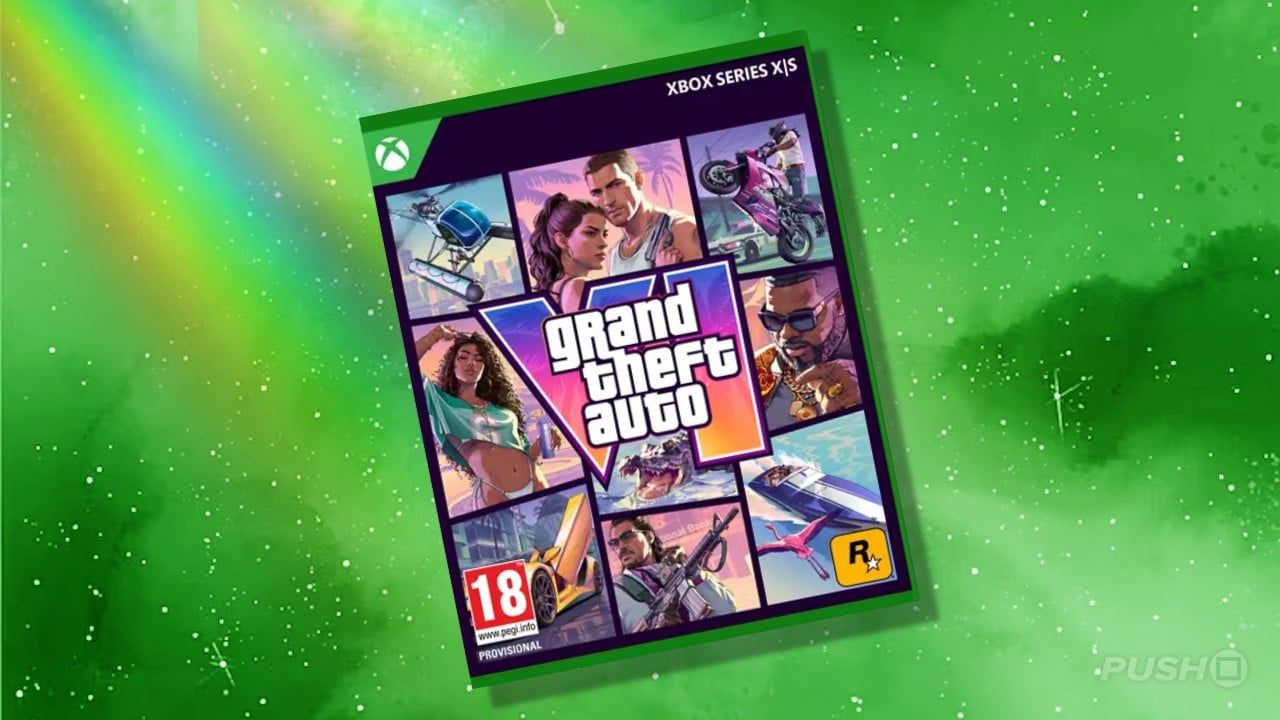
There are moments in the history of gaming that don’t just change a console’s market share; they ignite a deep-seated rivalry.
Even thirteen years later, the memory of Shuhei Yoshida’s infamous ‘game sharing’ video continues to stir complex emotions among Xbox enthusiasts. It wasn’t just a clip; it was a pivotal moment that redefined how games were consumed and shared on the platform.
This seemingly small act—PS4‘s famous “finish him” moment landing on the Xbox One—proved to be a seismic blow, fundamentally shifting the balance of power in the ongoing console war.
At a time when the battle between PlayStation and Xbox was fierce, marked by the epic clash between the PS3 and Xbox 360 generations, this incident offered PlayStation a significant advantage. It showcased a different, more accessible way for players to engage with content, pushing the industry narrative forward.
For many, the feeling of being left behind or seeing an advantage slip away can breed a certain resentment. The dynamic shifted from raw hardware specifications to the experience and community surrounding game access.
The video, which famously highlighted the ease of sharing games on platforms like Helix, became more than just a demonstration of functionality; it became a cultural touchpoint demonstrating how community interaction could redefine competitive boundaries.
This shift highlights that in the world of gaming, true victory isn’t just about the console specifications—it’s about connectivity and player experience. It forces competitors to constantly innovate not just in graphics, but in how they connect with their audience.
Looking ahead, this historical context raises intriguing questions about the future. As new generations of consoles emerge, the focus is no longer solely on technological superiority but on leveraging community engagement. The question now turns to whether Xbox can find its footing and generate a similar cultural advantage in the next generation, particularly concerning the PS6.
The legacy of that video remains a potent reminder that behind every hardware battle, there is a deeper story about community, sharing, and the evolving definition of gaming success.
Credit