Xbox wants fan input on console exclusivity
The gaming landscape is currently buzzing with a high-stakes debate: who owns the console experience? As Xbox continues its ambitious spending spree on major studios like Bethesda and Activision Blizzard, the focus has inevitably shifted toward the ultimate prize—console exclusivity. But this time, the conversation isn’t just about next-gen hardware; it’s about the future of beloved titles, and the players are demanding answers.
For a while, Microsoft navigated a complicated publishing landscape, sometimes acting as a third-party publisher to bring games to the PlayStation 5. However, leadership changes and strategic pivots have led to a definitive shift. Games like Gears of War: E-Day were confirmed as Xbox-only, signaling a clear intent to solidify its control over its ecosystem. Now, the focus is sharpening, and speculation is running wild about what comes next for the players.
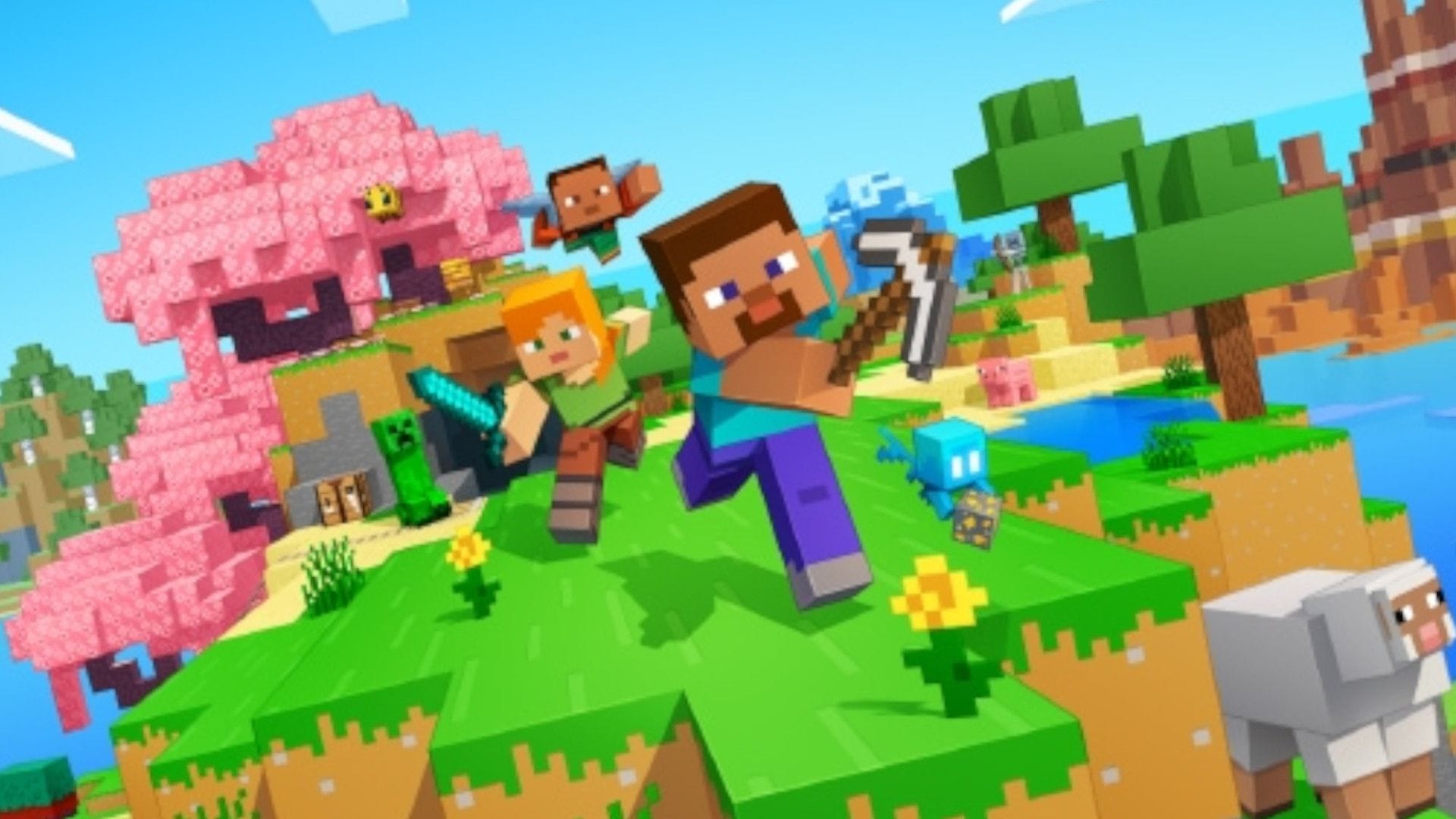
The latest buzz suggests that Microsoft may be actively priming the pump for more exclusivity. Reports indicate that Xbox has been conducting surveys among its Insider community, asking players how they would feel about titles being console-exclusive to the Xbox platform. This is not abstract theory; these questions are touching on some of the biggest names in gaming, including franchises like Fallout, the upcoming Hideo Kojima project Physint, and the ubiquitous sandbox, Minecraft.
The most eyebrow-raising part of this hypothetical scenario involves the potential removal of established titles from competitors’ consoles. The idea of an Xbox strategy that might result in existing games being locked onto the Xbox platform until well into the future is certainly a powerful move. But the conversation takes a sharp turn when considering the impact on games like Minecraft. This game has amassed staggering numbers, selling over 425 million copies worldwide and attracting hundreds of thousands of new players daily. Imagine taking that massive, evergreen title away from the PlayStation and Nintendo consoles entirely.
If Microsoft were to pursue a path that restricts access to Minecraft on other consoles, the backlash is inevitable. Fans and developers alike would likely view such a move as incredibly brazen, especially considering the massive success and community support these games have cultivated. The thought of denying players access to updates or purchasing options on competing systems, simply to enforce exclusivity, brings the ethical dimensions of platform wars into sharp focus.
Ultimately, the choice facing the industry isn’t just about hardware sales; it’s about player loyalty. As the conversation moves toward making major titles exclusive, the critical question remains: Will gaming history be defined by innovation, or by an increasingly restrictive landscape?
Buy on Amazon
Credit
