Yoko Taro’s secret quest for Nier Automata from Square Enix
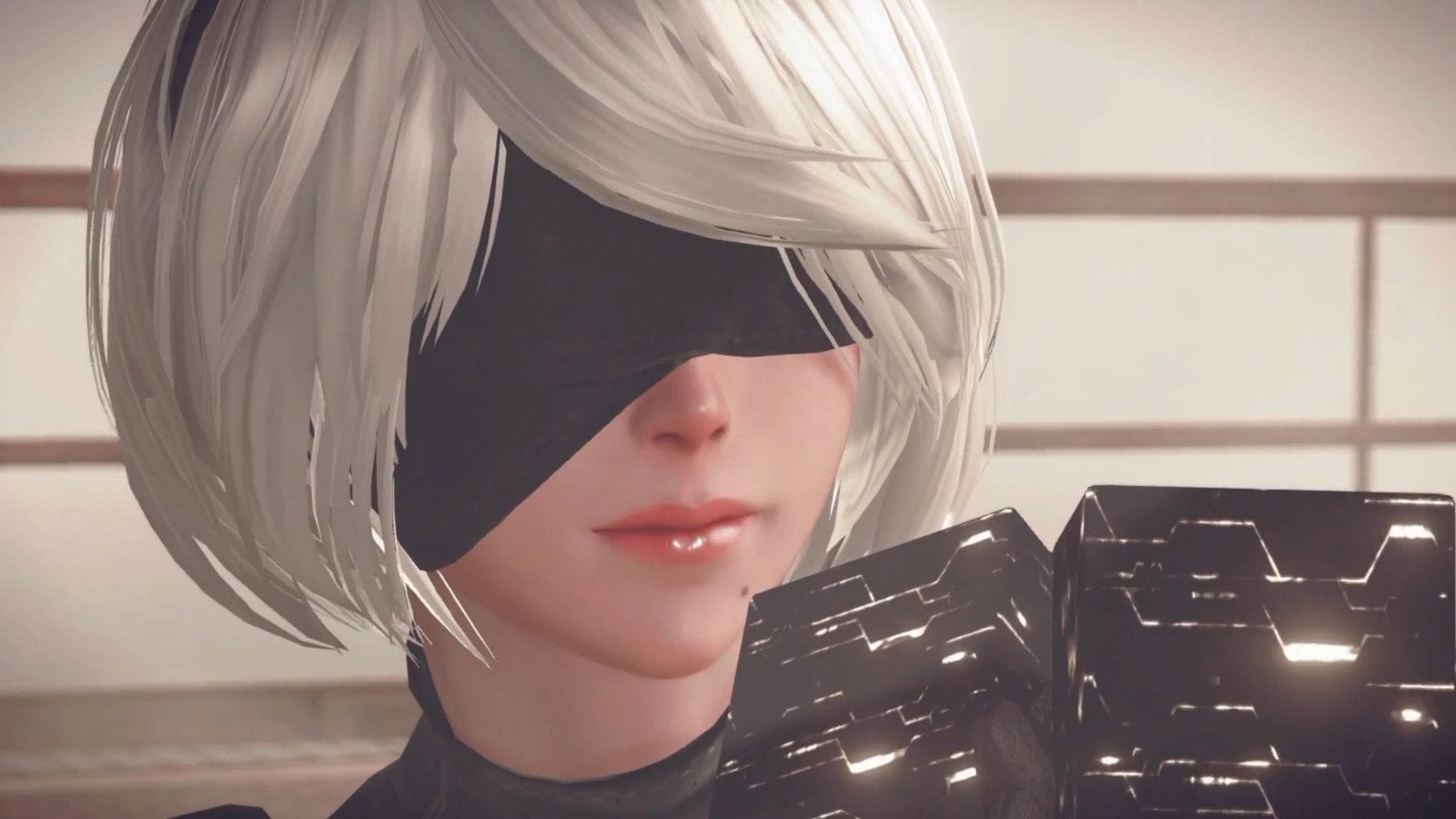
Yoko Taro has carved out a unique and often perplexing niche in the gaming world. Known for narratives that delve deep into the esoteric and twisted philosophical underpinnings of existence, he embodies a reputation for being decidedly weird. Yet, this idiosyncratic approach is far from an isolated quirk; it is the very engine behind some of the most critically acclaimed and commercially successful titles.
The journey began with the release of Nier in 2010. Initially, the game experimented with protagonist choices, featuring two distinct leads, which, in the West, often led to commercial hurdles. Reflecting on this early phase, Taro noted that the team eventually decided to stop overthinking the initial approach, finding a more streamlined path forward.
This shift in strategy paved the way for a monumental change with the follow-up, Nier: Automata, released in 2017. With this project, Taro stated he wasn’t aiming to target any specific demographic; he simply made what he wanted and tried to remain hidden from Square Enix. This freedom allowed the game to flourish, blending Yoko Taro’s trademark esoteric storytelling with engaging action mechanics.
The result was a massive success. Nier: Automata didn’t just meet expectations; it became a breakout hit, selling over 10 million copies and establishing itself as one of the best RPGs ever made. It demonstrated that a blend of challenging action and uniquely warped storytelling could resonate powerfully with a broad audience.
Taro’s perspective on this success remains deeply self-aware. He suggests that his work is an exercise in making games for “normal people,” even if the outcome is that these “normal” players find the resulting games wonderfully weird. This self-deprecation seems woven into his persona, suggesting a playful acknowledgment of the gap between his inner world and his public success.
This self-reflection extends to his position in the industry. Taro describes himself as a “warped person” who is “insufferable at work,” perhaps feeling a sense of jealousy toward developers who seem to have a clearer place in the mainstream. It suggests that the artistic eccentricity that defines his work is intrinsically linked to his personal experience navigating the development process.
Beyond the narratives, Taro also grapples with the broader context of the gaming industry. He expressed a sense of melancholy regarding the future of games and the loss of physical media, acknowledging that the current trajectory is simply “the way things are going.”
Buy on Amazon
Credit
