You control it for one minute
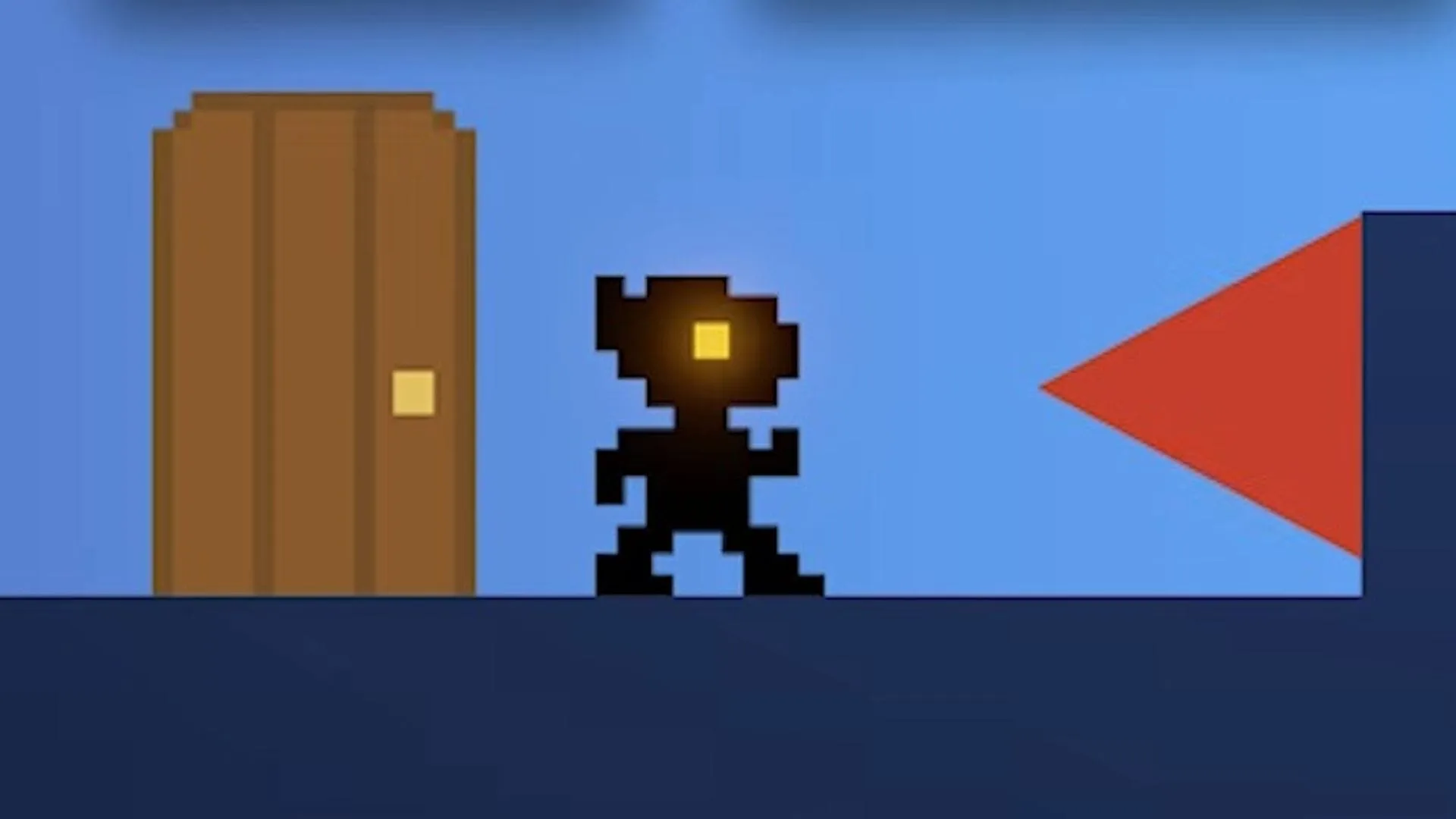
In a landscape increasingly saturated with content, a genuinely clever social game has quietly made its debut on Steam: Jono. This pixel art 2D platformer, developed by the solo studio of celebrated Angry Birds artist Tuomas Erikoinen, isn’t just about jumping over spikes and portals; it’s about pioneering a completely unique way for a community to interact, gather, and achieve massive goals.
The true genius of Jono lies in its revolutionary social structure. Forget traditional solo gameplay; the game operates under a unique, time-gated system. Only one player can be actively playing at any given moment, and the rest of the community sits in a live, in-game stream overlay—a Twitch-like lobby—watching, cheering, advising, or complaining about the action. This setup transforms a solitary challenge into a shared spectator event.
When one player completes a level, the game pauses, and the next person in the queue takes over exactly where the previous player left off. This continuous, shared experience turns the act of playing into a collective journey. As Erikoinen notes, the game’s success hinges on this social dynamic: “The game is the reason players come, and the chat is the reason they stay.”
The ambition goes far beyond simple fun. The ultimate goal for the community is monumental: to collectively clear 1 million levels, each of which is entirely unique. This huge collaborative objective fuels the community’s engagement, encouraging them to interact with the game both during gameplay and in the chat, discussing everything from technical advice to off-topic jokes.
Beyond the main stream of procedurally generated levels, the community also contributes its own content. Player-made levels are submitted for review, which is a crucial step in maintaining quality. Levels deemed too challenging for normal play can be diverted to an optional “Meat Grinder” mode, effectively quarantining the most difficult, Kaizo-level challenges for dedicated enthusiasts.
This system also addresses a pressing concern in the current gaming climate: the rise of AI and potential plagiarism. In an era where smaller games can be replicated instantly by AI, Jono offers a unique, hard-to-replicate structure. By implementing these novel social rules and procedural generation methods, the developers are pushing back against the easy replication of content, offering something truly original in the crowded simulation genre.
Inspired by earlier social games, the goal was to create something distinct. By blending unique mechanics with a massive, shared objective, Jono proves that some of the most successful games of the future will be those that foster genuine community, not just individual skill.
Buy on Amazon
Credit