Zelda Remake Loading Screens Fans Are Torn
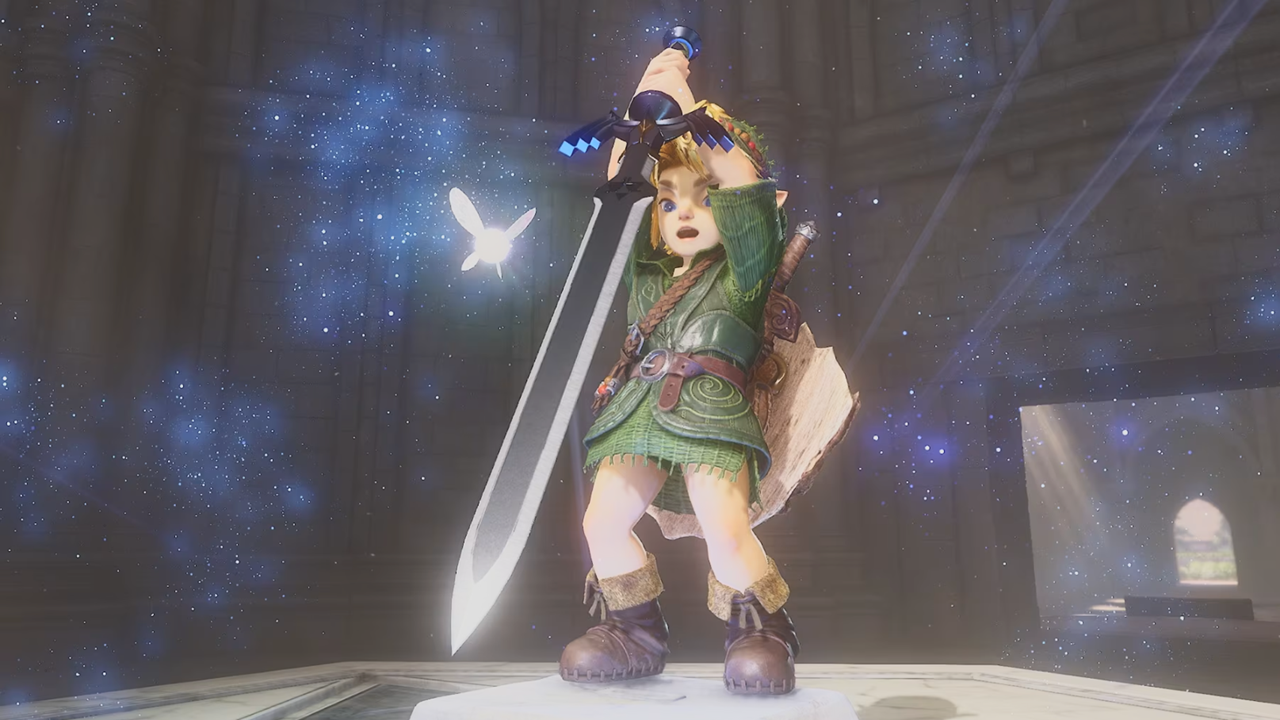
When creating a remake of a classic, the goal is often to replicate nostalgia, but sometimes, the most unexpected decisions prove to be the most brilliant. Nintendo has recently revealed a surprising choice in The Legend of Zelda: Ocarina of Time remake: the intentional inclusion of loading screens.
This decision, far from being a mere technical oversight, is rooted in a desire to “preserve the essence of the original game.” The revelation came during a gameplay demonstration at the The Legend of Zelda 40th Anniversary Direct, where series producer Eiji Aonuma explained the philosophy behind the design.
“By the way, there’s a loading screen whenever you move between areas,” Aonuma noted. “This is something we intentionally kept to preserve the essence of the original game.”
In the original 1998 game, and many others before and after it, loading screens served a practical purpose, allowing players to pause the experience and load new areas. Nintendo chose to keep this structural element in place for the remake, opting for a more deliberate pacing over absolute seamlessness.
While the visual art style of the remake is undeniably massive, the choice to introduce these brief breaks has ignited a lively debate among fans. Some players view the pauses as a confusing imposition on the flow of adventure, while others find them a charming nod to classic gaming architecture.
The reaction split wide. Some viewers questioned the rationale, suggesting that modern games typically hide these transitions, wondering if Nintendo simply included them for technical necessity on the upcoming Switch 2. Others defended the design, arguing that the brief screens enhance the sense of space, making the areas feel more distinct and contrasted.
The design teams kept these moments incredibly brief—often just a few seconds—to ensure the immersion remained intact. This subtle choice turned what could have been a technical hurdle into a deliberate piece of design history.
As the remake prepares for its launch on the Switch 2 in November 2026, this loaded philosophy suggests that Nintendo is committed to honoring the legacy of the original while still pushing the boundaries of modern gameplay. It turns a common feature into a testament to enduring game design principles.
Buy on Amazon
Credit