Zelda ROT remake showed us almost nothing
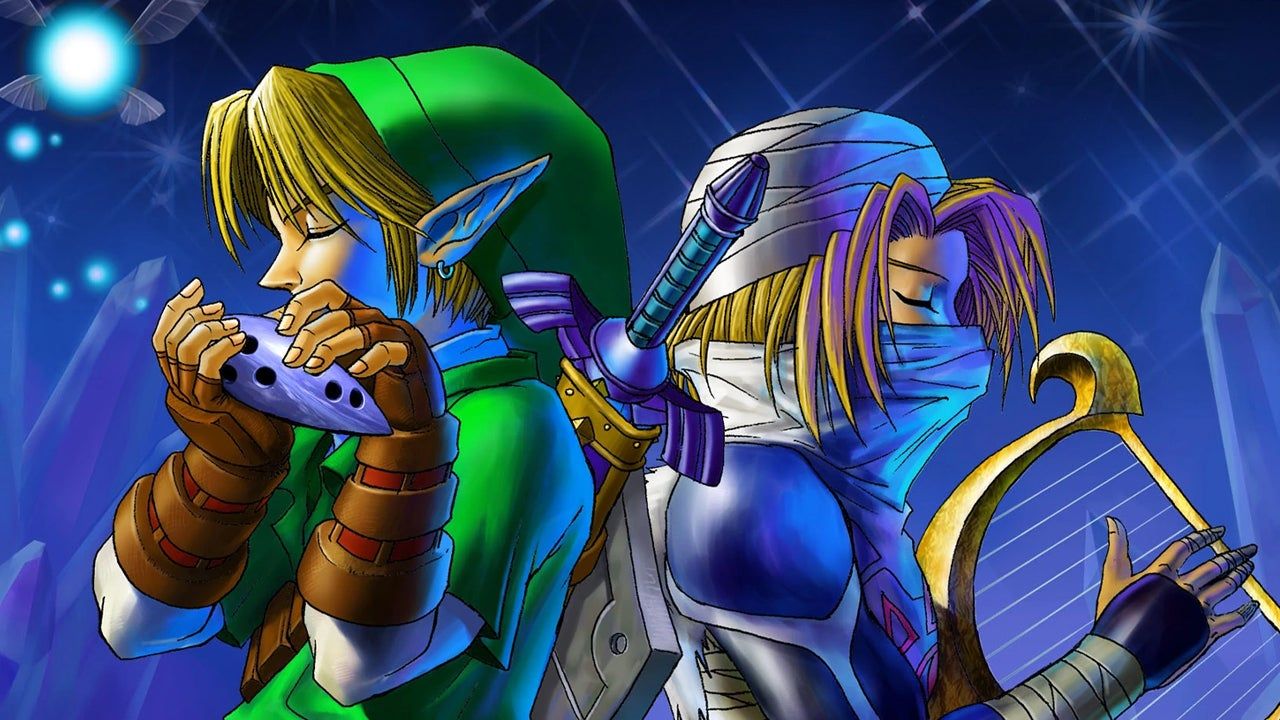
There are few moments in gaming that trigger such a potent blend of nostalgia and sheer excitement as a major reveal from Nintendo. When a beloved classic is given a fresh coat of paint, the questions multiply faster than the gameplay can unfold. The recent teaser for the remake of The Legend of Zelda: Ocarina of Time has not just generated buzz; it has sparked a fascinating debate about what happens when timeless design meets modern sensibilities.
The immediate visual shift is perhaps the most striking element. The introduction of Link, leaning toward a more realistic aesthetic, immediately throws fans into a new interpretive space. While his spirit remains fantastical, the overhaul to his woven outfit and overall look signals a bold move. This departure has naturally drawn reactions, but for many, this shift feels like the natural evolution of a legendary hero, ready to step confidently into the next generation.
This visual reinvention opens up a host of fascinating design possibilities. Beyond Link’s appearance, the new direction forces us to consider how world-building will evolve. What will the Gorons and Zoras look like? Will the iconic horror elements, such as ReDeads and Wallmasters, be toned down or amplified in this new context? The visual change serves as a compelling catalyst for imagining a reimagined Hyrule that balances classic lore with contemporary scope.
The real intellectual debate, however, lies in the nature of the project itself: is this a mere remaster, or a complete reimagining? While some chatter focuses on semantics—remake versus reimagining—the trailer suggests Nintendo is moving beyond the traditional playbook. Unlike previous 3D Zelda updates that faithfully preserved the original art style while simply updating the graphics and controls, this reveal hints at something more transformative.
This signals a willingness to break convention, aligning with how Nintendo has presented other major titles, suggesting an ambition to deliver a fully modernized vision of the game’s essence. The speculation shifts from what the game will look like to how it will feel—imagining seamless world transitions, richer environments, and expansive towns that breathe with new life.
But behind the visual spectacle lies a mystery surrounding the development process. When a franchise this sacred enters a major reboot, the question of who is steering the ship becomes paramount. While many expect an internal Nintendo development effort, external partnerships are also possibilities. This raises intriguing possibilities about the involvement of legendary figures like Koji Kondo and Eiji Aonuma, two titans whose contributions define the original game’s unparalleled atmosphere and score.
The history connects deeply to the legacy of Monolith Soft, a studio that has assisted in the development of the Zelda series since Skyward Sword and other titles. Their involvement suggests a potential opportunity to revisit iconic elements, like the famous dungeons, in a more open, modern format.
Ultimately, the excitement surrounding this project is rooted in possibility. We are left with an exhilarating window of conjecture—the freedom to imagine how a masterwork can evolve without erasing its roots. Whether this becomes a faithful recreation or a revolutionary reimagining remains to be seen, but for now, the most thrilling part is watching history unfold in a brand new way.
Credit