
25 Years of Mafia Game Action and Stories
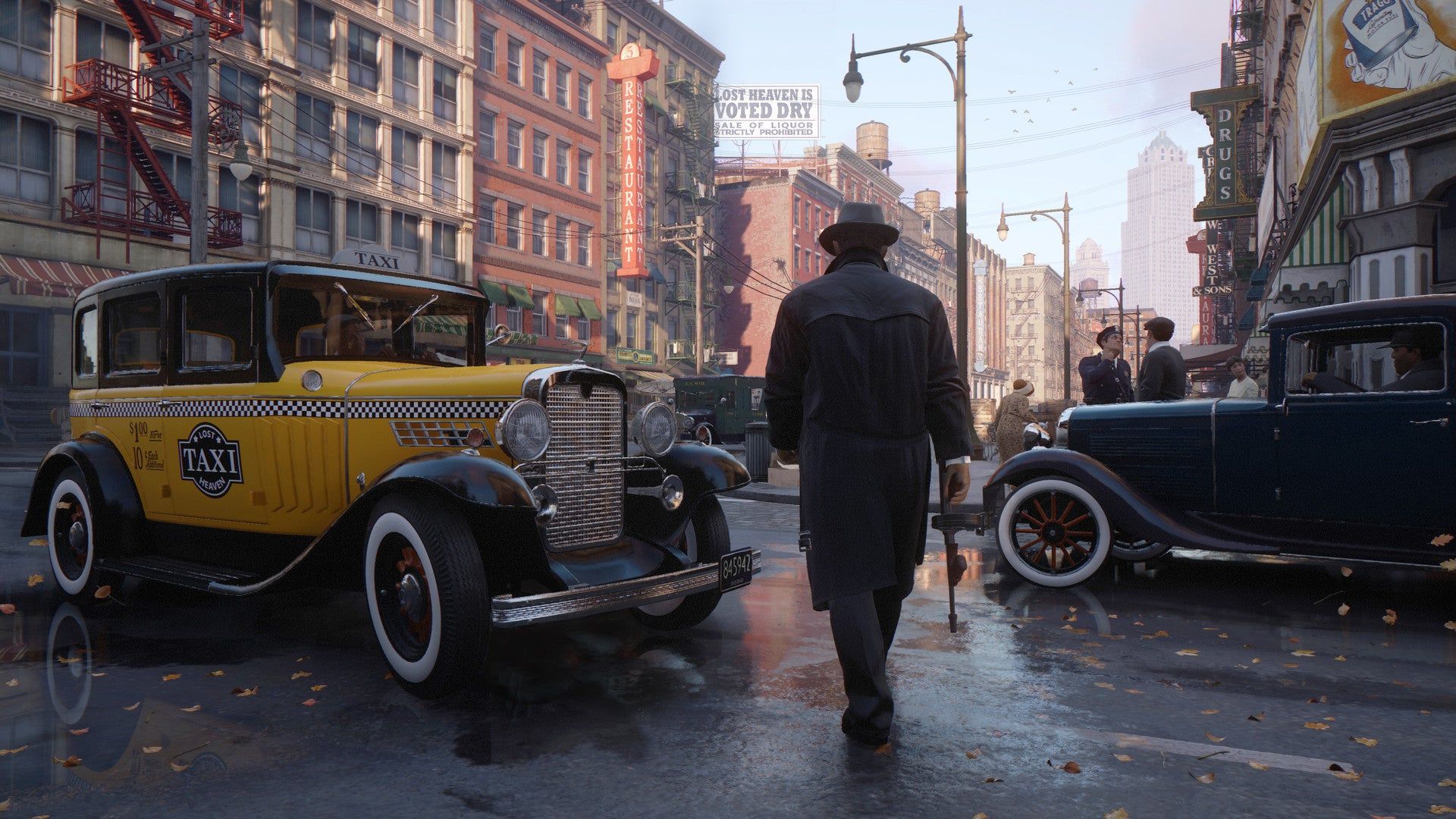
This transcript features a discussion among developers regarding the evolution, design choices, and legacy of the Mafia video game franchise, focusing heavily on the shift introduced by Mafia 3 and the subsequent trajectory of remake projects like Mafia: Definitive Edition.
Here is a structured analysis of the key themes and points raised in the conversation.
—
Summary of Key Discussion Points
1. The Shift in Mafia 3: Open World and Narrative Ambition
The central focus is on the development of Mafia 3, which involved a significant change in design intent: moving towards an open-world format.
Creative Leadership: The change was spearheaded by Haden Blackman, who took over as the creative leader. This shift brought new perspectives to the studio.
Narrative Change: The story itself shifted significantly, focusing on the Civil Rights storyline and presenting a dynamic between the Black Mafia and the Italian Mafia.
Ambition vs. Execution: The developers expressed pride in the narrative execution but admitted that the pursuit of maximum open-world elements ultimately held the project back, despite the strong story foundation.
2. Studio Culture and Development Environment
The development of Mafia 3 involved a mix of internal talent and external influence, which changed the studio’s dynamic:
Team Composition: The team was a mixture of original developers and new personnel moving from Czech to California, augmented by expertise recruited from places like LucasArts.
Geographic Shift: The relocation to a California studio brought in a different cultural flavor, leading to a change in perspective regarding the setting (moving from a European view of American cities to one more fitting for U.S. customers).
3. The Rationale Behind Open-World Design
When questioned about the decision to pursue open-world design, developers pointed to external factors:
Reaction to Mafia 2: The move was largely a reaction to player feedback and trends at the time, seeking a format that allowed for more stories and activities within the city structure.
Scale and Scope: As Alex Cox noted, Mafia 3 became the largest game in terms of scope, scale, budget, and marketing, which successfully engaged a large audience, particularly players who enjoyed territory control gameplay.
4. The Legacy: Returning to Core Strengths (Definitive Editions)
The conversation pivots to the subsequent projects (Mafia: Definitive Edition and The Old Country), where the team revisited what made the franchise successful.
Focus on Narrative: The realization was that the core strength of the series lies in tight, focused, authentic narrative stories, rather than sheer scope.
Engine Rebuild: While utilizing the technology from Mafia 3, the development of The Old Country involved strategically discarding the sprawling open-world engine and rebuilding the foundation using a more linear structure (moving to Unreal Engine) to deliver the classic Mafia experience. This was an investment in delivering the essence of Mafia, not just its mechanics.
Audience Affection: The enduring success stems from the strong characters and compelling stories (Vito, Joe, Lincoln), which connect with players regardless of the genre iteration.
—
Analytical Takeaways
The conversation highlights a classic tension in game development: the conflict between ambition/innovation and audience connection/execution.
1. The Paradox of Scale: The developers achieved massive scope (Mafia 3), which brought scale and commercial success, but they also found that this ambition sometimes obscured the core narrative focus. They learned that while large worlds attract players, tight narratives—the “story basics”—are what truly sustain long-term affection.
2. Evolution Over Revolution: The journey from open-world Mafia 3 to linear Definitive Editions demonstrates an evolution where the team chose to refine the experience rather than radically reinvent it. They used the technical advancements (the engine) to achieve a more focused narrative delivery, essentially returning to the “origin” of Mafia.
3. Community as the Driver: The final conclusion is that the franchise’s longevity isn’t solely dependent on gameplay trends but on the emotional investment players have in the characters and stories. The community acts as a balancing force, appreciating different iterations of the game based on what resonates most deeply with them.
4. The Power of the Narrative Backbone: The consensus is that while mechanics (open-world design) can be exciting, the narrative structure (linear storytelling) is the essential ingredient that allows players to truly connect with the characters and themes—the true “essence of Mafia.”
Buy on Amazon
Credit