
A Decade Later Only 1% Explored No Man’s Sky Planets
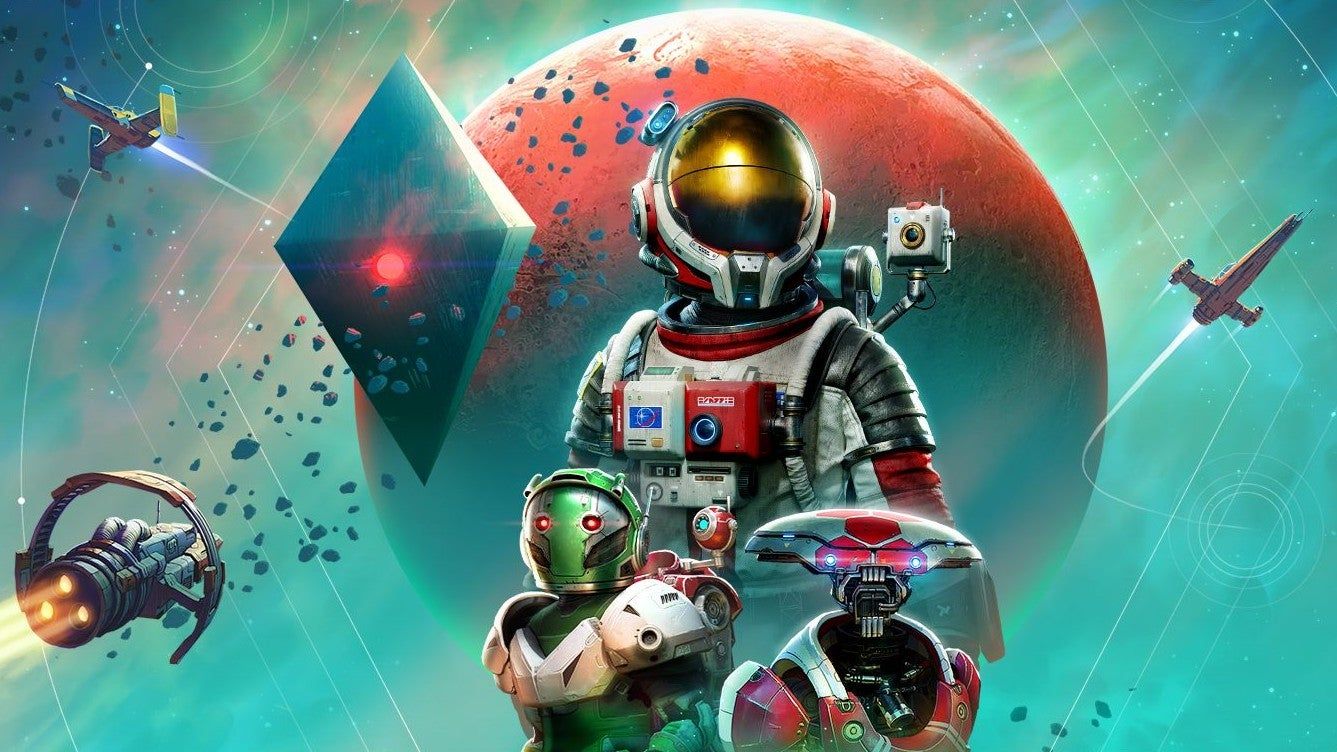
Ten years ago, when No Man’s Sky launched on August 9, 2016, the world was met with a mixture of astronomical promise and significant frustration. Players flocked to the game, only to encounter broken promises and what felt like a severe lack of meaningful content, especially in the multiplayer realm. The initial reception on platforms like Steam was overwhelmingly negative, signaling that something fundamental was amiss.
Yet, amidst the initial noise, the story of No Man’s Sky is one of resilience and remarkable evolution. The team behind the game—Hello Games—did not retreat; they continued to update and refine their universe over the years, gradually winning back player sentiment.
It took time for the community to recognize the depth that was being built. What started as a deeply disappointing experience slowly shifted into something superb. Over those five years post-launch, Hello Games successfully navigated the landscape of player opinion, moving from ‘mixed’ reviews to ‘mostly positive,’ and ultimately settling on ‘very positive’ acclaim.
This journey illustrates the power of patience and persistent development. As the game matured, the scale of its universe became staggering. No Man’s Sky features a procedurally generated open world encompassing over 18 quintillion planets. To put that number into perspective, Hello Games estimated it would take 585 billion years to see them all!
Even with this colossal scope, the exploration remains largely untapped. Ten years after launch, players have explored less than 1% of the total available planets—a testament to the sheer breadth and mystery still waiting to be discovered across the cosmos.
Development chief Sean Murray recently celebrated this milestone by reflecting on the community’s involvement. He expressed delight that the game has stood the test of time, noting that this year has brought the highest player numbers since launch, underscoring the incredible passion shared between the developers and the players.
The evolution of No Man’s Sky involved constant expansion. Through forty major updates, the game transformed from a launch title into an expansive sandbox teeming with base-building, exocraft, settlements, mechs, pets, and living ships. Support for numerous platforms ensured this vast universe was accessible to everyone.
Looking ahead, Hello Games continues to innovate. While they celebrate their journey, the team is already focused on the next adventure, working on a new title called Light No Fire. This upcoming game promises a fresh narrative focusing on adventure, building, survival, and exploration set on a fantasy planet the size of Earth.
With teasers for future updates like Cosmos, the universe of No Man’s Sky remains vibrant and alive. It is a testament to the power of community engagement and vision that a single game can evolve into such an enduring cosmic experience.
Buy on Amazon
Credit