
AC2’s Brotherhood plot was too ambitious for one game
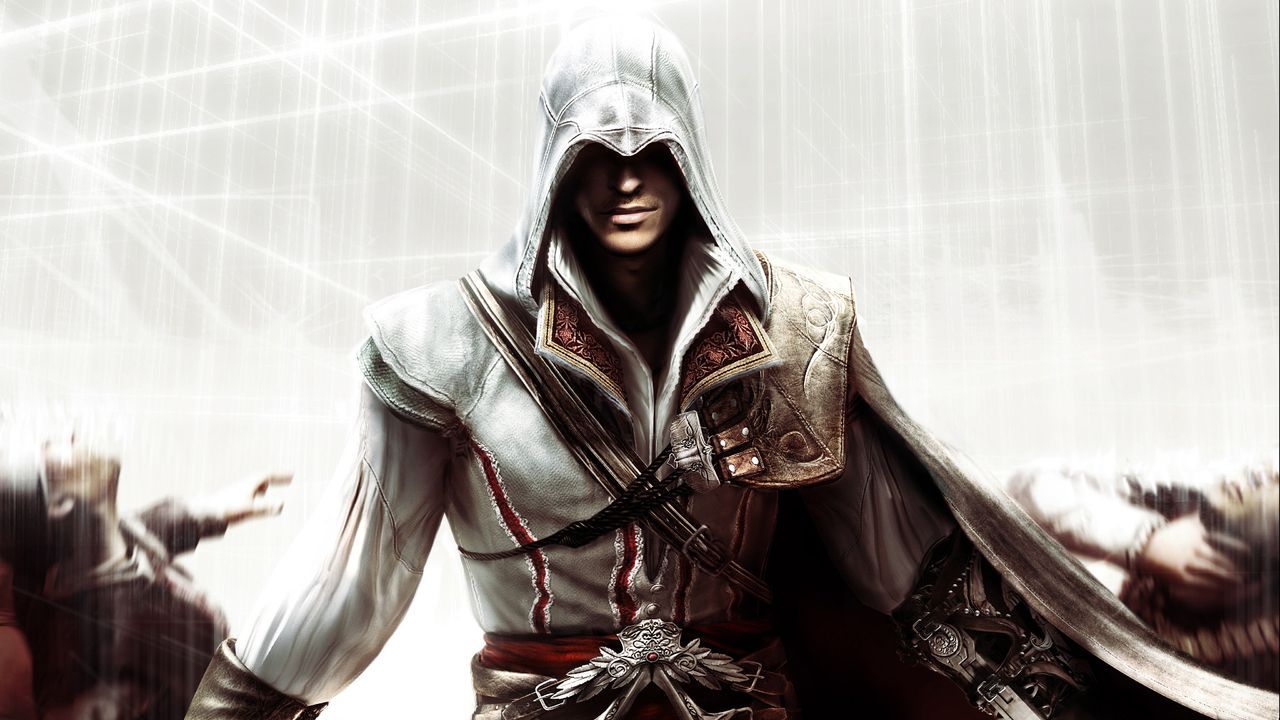
In the sprawling world of open-world adventure, few franchises boast a legacy as rich or layered as Assassin’s Creed. While many games flash by, titles like Assassin’s Creed: Brotherhood stand out as defining moments, cementing their place as the pinnacle of the series. It’s not just about the gameplay; it’s about the seamless continuation of epic narratives and the evolution of legendary characters.
The genius of the franchise often lies in how it managed its story. Following the successful foundation laid by previous installments, developers planned for the narrative to unfold across multiple titles. This approach allowed the story of Ezio Auditore, from his early life to his eventual ascension as the mentor of the Assassin order, to be thoughtfully expanded over time, rather than being crammed into a single experience.
This carefully structured timeline meant that the story arc was naturally extended across the series. The journey of the titular assassin found its full, satisfying conclusion not just in Brotherhood, but further down the line in Revelations, establishing an extended trilogy that defined the saga for years.
This multi-game approach wasn’t just narrative; it was a masterclass in development strategy. Attempting to distill Ezio’s entire life story into a single game, even one developed over two years, proved too ambitious for the scope and detail the series demanded. The realization was that spreading the narrative across subsequent releases allowed for deeper development and richer gameplay experiences.
Ubisoft understood that true epic scale requires flexibility. To accelerate development and increase the scope of their worlds—leading to massive titles like Valhalla and Shadows—they shifted their operational model. Instead of keeping all creative control centralized, the development process became cascaded across multiple studios.
This distributed system allowed the Assassin’s Creed ecosystem to grow in terms of both size and experience. By empowering various studios to work in tandem, the franchise could produce massive, ambitious epics while maintaining the high quality that fans expect. It’s a testament to how thoughtful design and smart organizational choices can transform a series into an enduring cultural phenomenon.
Buy on Amazon
Credit