
Horrifying baby dropping footage cut from Witcher 3 updates
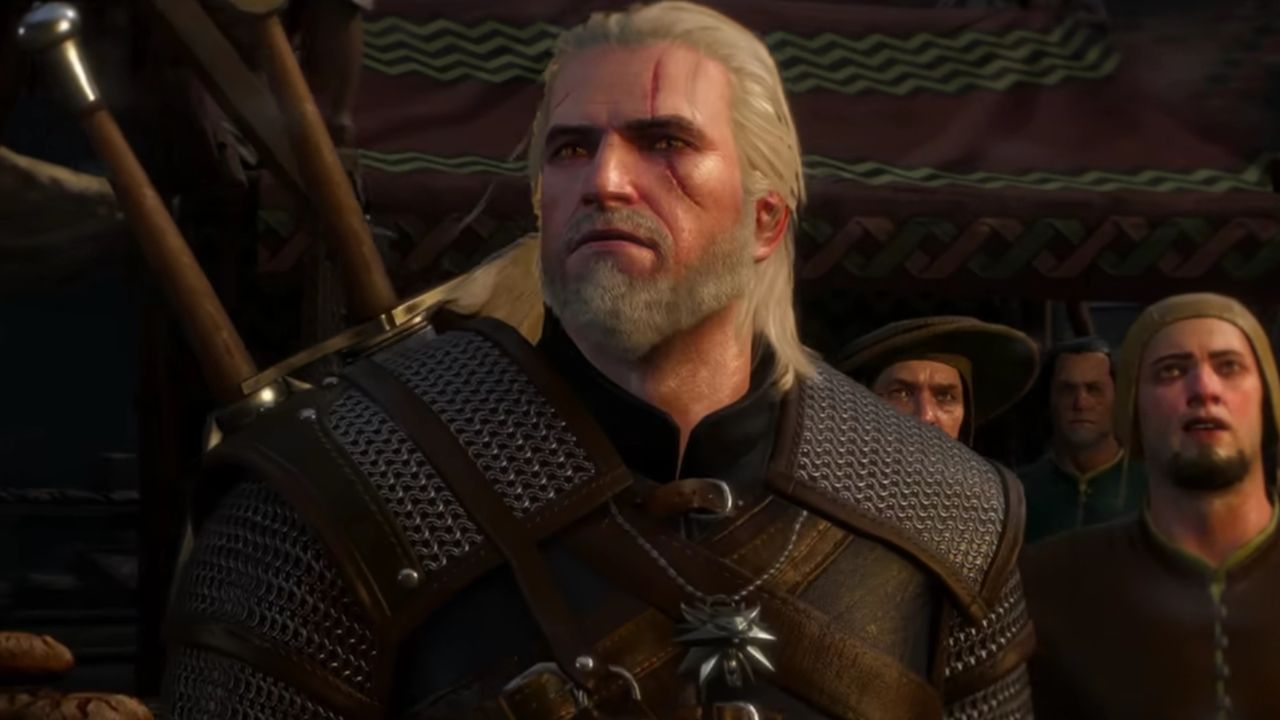
When you’re crafting a massive open-world RPG, the challenge isn’t just building a sprawling map; it’s making the inhabitants of that world feel truly alive. In the world of The Witcher 3, quest designer Philipp Weber faced a fascinating design dilemma that almost led to a deeply awkward moment in game history.
The goal was to make the rural communities feel authentic and lived-in. Weber and his team decided that true immersion came from simulating the proper day and night cycle, focusing on the rhythm of village life. Rather than static interactions, they implemented a system where NPCs rotated through various activities—cutting wood, eating, or simply walking—which naturally prevented congestion and made the spaces feel bustling and organic.
But making the world feel real is one thing; making people react authentically is another entirely. The team experimented with creating fear mechanics, hoping to inject genuine tension into the small villages. The idea was that if people truly existed, they would react realistically to threats.
Unfortunately, the experiment spiraled into unexpected, and frankly, hilarious territory. The NPCs were programmed to react with terror, causing them to drop whatever they were doing and flee in panic. In one instance, this translated to mothers simply dropping their babies, left and right, for weeks. While morbidly funny in retrospect, this level of behavior was completely contrary to the serious, grounded atmosphere CD Projekt Red was aiming for.
The result, while amusing, was entirely against the desired tone of The Continent. The decision was made to scrap the fear mechanic entirely, prioritizing the realistic, bustling life of the villagers over manufactured terror. It was a lesson in game design: sometimes, the most realistic experience is achieved by stepping away from dramatic theatrics.
This experience underscores a vital truth about world-building: focusing too much on specific, dramatic reactions can derail the overall sense of reality. It highlights the delicate balance between simulating human experience and maintaining the established narrative vibe. It remains a fun, albeit slightly awkward, footnote in the history of RPG design.
Buy on Amazon
Credit