AI Backlash: AC Creator on Amsterdam’s AI plans
The Stain of the Algorithm: How AI Sent Shivers Through the Assassin’s Creed World
When the name Assassin’s Creed lands on a project, expectations soar. Patrice Désilets, the godfather of the franchise, was expected to deliver perfection. His new venture, Panache’s witchy mystery game 1666: Amsterdam, seemed poised to fulfill this promise. Yet, just as the excitement built, the shadow of artificial intelligence cast a long, uncomfortable pall over the development process.
The controversy ignited when accusations surfaced regarding the heavy use of generative AI in creating the game’s assets. The fallout was immediate and dramatic. Flowers wilted, goats died, and many potential players, sensing a shift in authenticity, began pulling their Steam wishlists. This incident highlighted a growing tension in the gaming world: the rapid integration of sophisticated AI tools versus the desire for handcrafted, human-driven artistic vision.
The situation took a particularly sharp turn at a preview event. When asked about the project’s relationship with generative AI, Désilets’ comments were interpreted as minimizing the team’s use of the technology. The implication was that the team had forgotten which elements of the creation process were genuinely human.
In response to the mounting scrutiny, Panache made a clear commitment: they intend to remove all reliance on AI from the development of 1666: Amsterdam before it is made playable. This commitment is crucial as the game currently remains in Early Access, allowing for this necessary course correction.
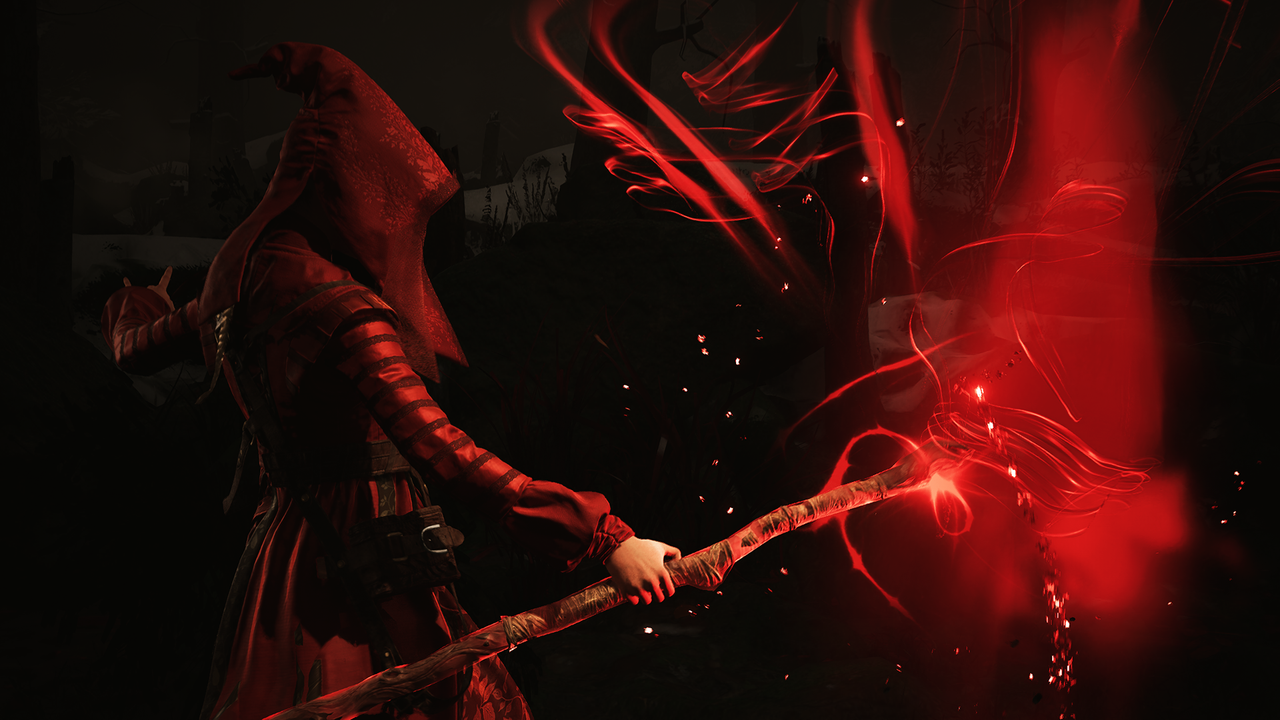
The game itself offers a fascinating blend of history and fantasy. It follows the demon hunter Noa as she navigates the streets of 17th-century Amsterdam, aided by her time-traveling familiar—a feline companion who learned the ways of sex magic. It is a darkly feminine, darkly funny return to the Assassin’s Creed aesthetic, offering a candlelit glimpse into a world where three hundred years of history are separated by a single, unlocked gate.
This unique narrative stands out in the competitive gaming landscape, offering a refreshing alternative to conventional action games. It embodies a progressive vision, focusing on character-driven stories and exploring themes in a way that moves beyond traditional weapons and combat. It forces a contemplation on what progress truly means in digital artistry.
Ultimately, the story of 1666: Amsterdam serves as more than just a game development saga; it is a reflection of our current moral obligation. It leaves the player to ponder whether the pursuit of technical innovation is worth the cost of artistic authenticity, and whether the future of interactive storytelling should prioritize the machine or the muse.
Buy on Amazon
Credit