AI can’t recreate great games ex-BioWare lead says
When mega-corporations make billion-dollar decisions, the noise is usually about profit and power. But sometimes, the real story is about the people behind the curtain, and what happens when those decisions are made by people who have never actually touched a controller.
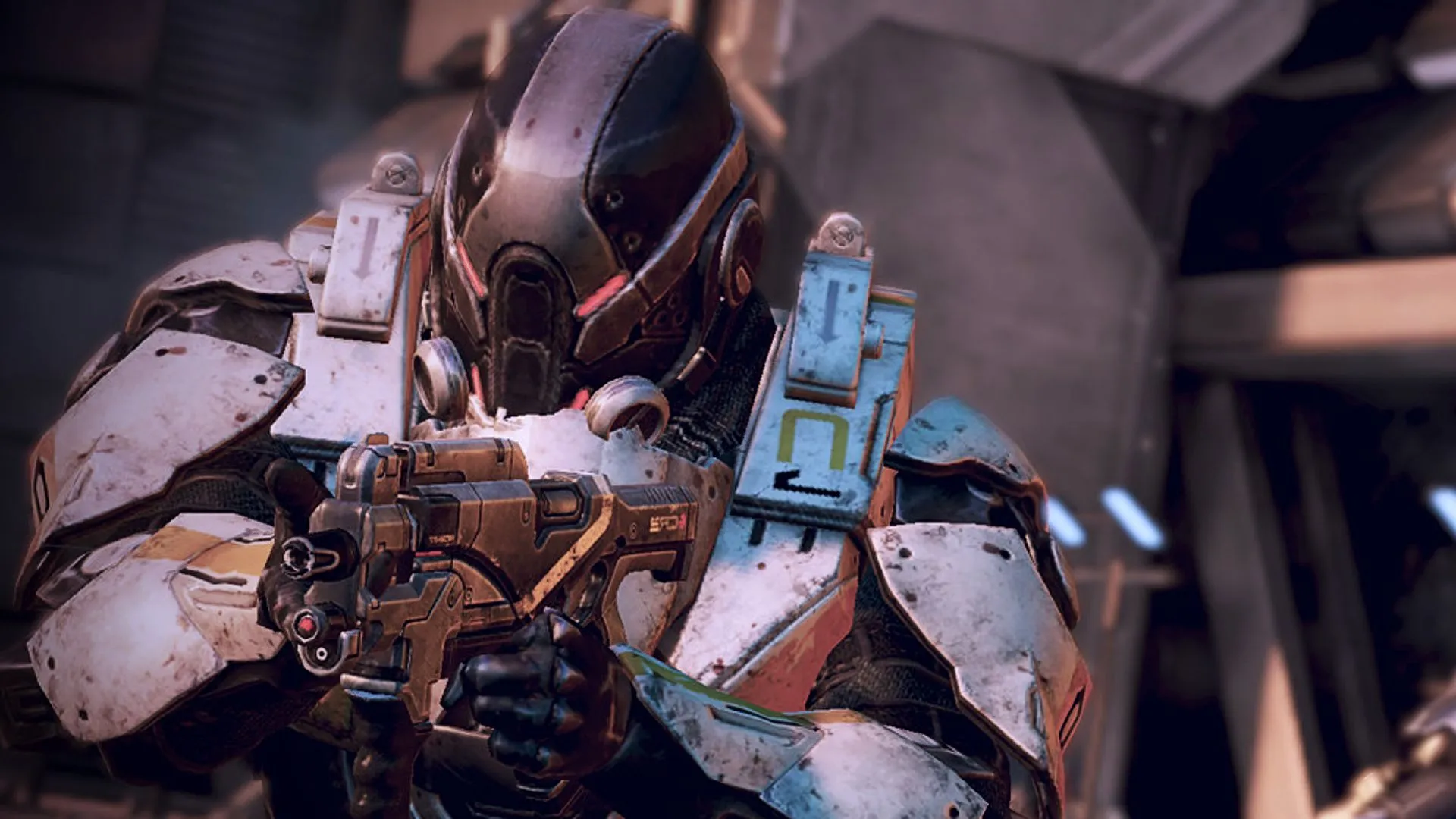
The recent dissolution of BioWare and the cancellation of Mass Effect 5 serve as a stark reminder of this disconnect. The studio’s fate was sealed following EA’s massive $55 billion acquisition by Saudi Arabia’s Public Investment Fund. While the deal was hailed as a triumph of global investment, it arrived for developers and fans as the final nail in the coffin for a beloved franchise.
For those deeply involved in game development, the ripple effects of this corporate shift have been devastating. Greg Zeschuk, a co-founder of BioWare, views the acquisition as the ultimate ending for the studio. He points out that the leadership making these monumental choices often lacks the fundamental understanding of game mechanics and the creative process. As Zeschuk noted in a recent interview, there is a “weird belief that you can just kind of recreate great games with random people and AI,” a belief he contends simply doesn’t work.
This isn’t an isolated incident. The broader industry seems to be grappling with a crisis of talent and experience. Studio closures and layoffs are increasingly common, leading to the loss of years of specialized knowledge. When the decision-makers have never been developers themselves, the resulting upheaval feels less like a strategic pivot and more like a wholesale erasure of institutional knowledge.
The feeling that executives are out of touch with the craft is echoed across the industry. This sentiment is visible in the wider landscape, particularly at publishers like EA, where anonymous sources suggest a heavy push toward using artificial intelligence to make jobs easier or seemingly mandatory. This corporate focus on new tools often overshadows the human element, leaving employees feeling adrift.
The disconnect isn’t unique to gaming. The dynamic is seen in other high-profile shifts, where leaders step into executive roles without a background in creative development, raising serious questions about who truly guides the future of interactive entertainment. This pattern suggests that the pursuit of massive financial deals sometimes supersedes the understanding of what actually makes a game great.
For fans, the uncertainty surrounding franchises like Mass Effect and Dragon Age is palpable. Despite the studio’s demise, a petition has gathered significant support, demonstrating a deep desire to see these worlds continue. However, the path forward for these intellectual properties remains shrouded in ambiguity, raising the question of whether these stories will be preserved, sold, or simply buried in the vault.
Buy on Amazon
Credit