AI clones scare indie devs from sharing their games
The history of the video game industry is, in many ways, a story of creation and imitation. Since its earliest days, developers have often created clones, competing titles, and variations on established concepts, constantly exploring the boundaries of originality and intellectual property law. Games like Tetris and the complex world of word puzzles have demonstrated how creativity intersects with legal enforcement, forcing courts and platforms to define what constitutes a game and what constitutes theft.
But the landscape is changing rapidly. Today, the threat of replication has evolved from a matter of legal debate into an immediate, existential concern for indie developers. The arrival of sophisticated AI coding tools has made the process of cloning and replicating game assets frighteningly efficient, leading many creators to worry about the rapid proliferation of unauthorized copies.
This new technological shift has introduced a palpable anxiety into the creative process. Developers are now grappling with how to protect the unique vision and hard work invested in their early concepts when tools exist that can instantly mimic presentation and gameplay. The fear is that groundbreaking ideas could be copied and released before the original creators even get a chance to launch their work.
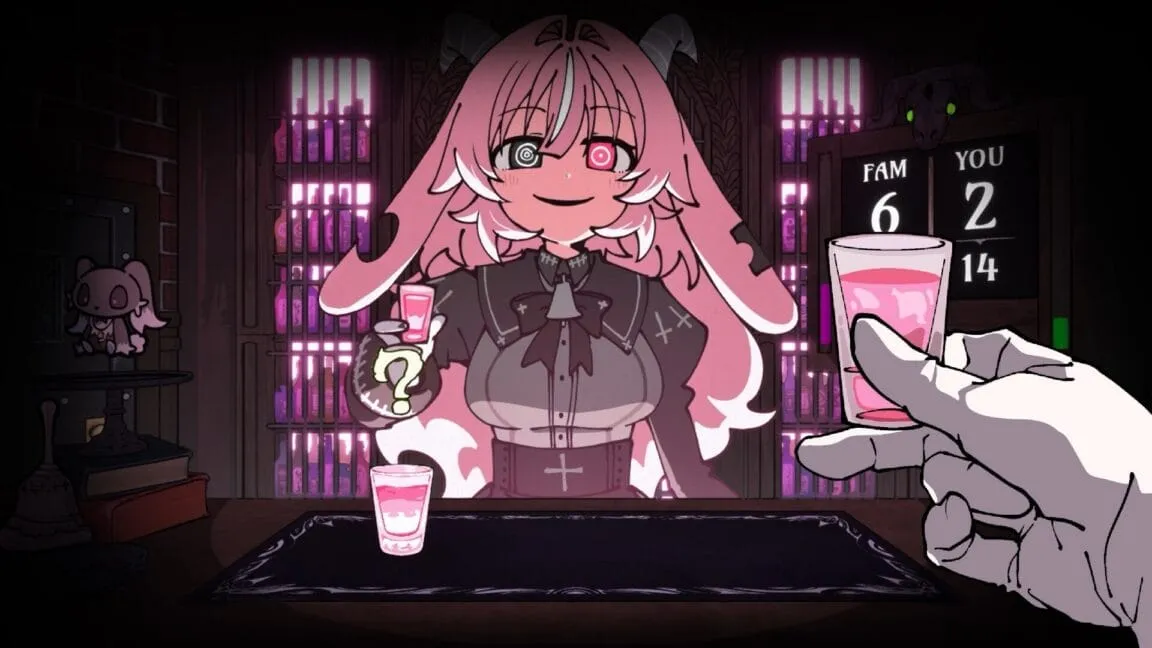
This tension recently manifested as a pause in a planned launch. Developer Alliance Arts, a group dedicated to fostering indie game development, chose to delay a public demonstration for their demon-themed Russian Roulette drinking game, Drunken Goddess Reflux. This decision was made not just due to standard concerns about managing streaming restrictions, but due to a deeper worry about the potential misuse of their demo.
The Alliance Arts team expressed concern that the content of their demonstration could be easily fed into AI or other replication tools. Their core worry was that these tools could be used to quickly imitate or replicate the game’s presentation and gameplay, allowing unauthorized versions to circulate and be released before their official launch.
The situation highlights a critical intersection between technological advancement and artistic ownership. As AI tools promise incredible efficiencies, developers are now facing a new challenge: safeguarding the uniqueness of their creative output in an increasingly automated ecosystem. The debate is shifting from how to protect IP in the digital space to how to ensure that the ingenuity behind a game remains uniquely theirs, even in the age of artificial replication.
Buy on Amazon
Credit