
AI Remade: Pokemon’s Iconic Starter Scene Feels Haunted
For millions around the globe, the world of Pokémon holds more than just video games; it is a collective archive of cherished childhood memories. These iconic titles, like Pokémon Red and Green, represent a bond so deep that they are etched into the cultural consciousness of many. But what happens when that beloved nostalgia collides with the limitless power of generative artificial intelligence?
Recently, this collision delivered a dose of digital horror. An AI-generated recreation of the legendary starter scenes surfaced online, and the resulting images were, frankly, an absolute masterpiece of unsettling absurdity. What started as a curious experiment quickly spiraled into something deeply disturbing, forcing a confrontation with the boundaries of digital creation.
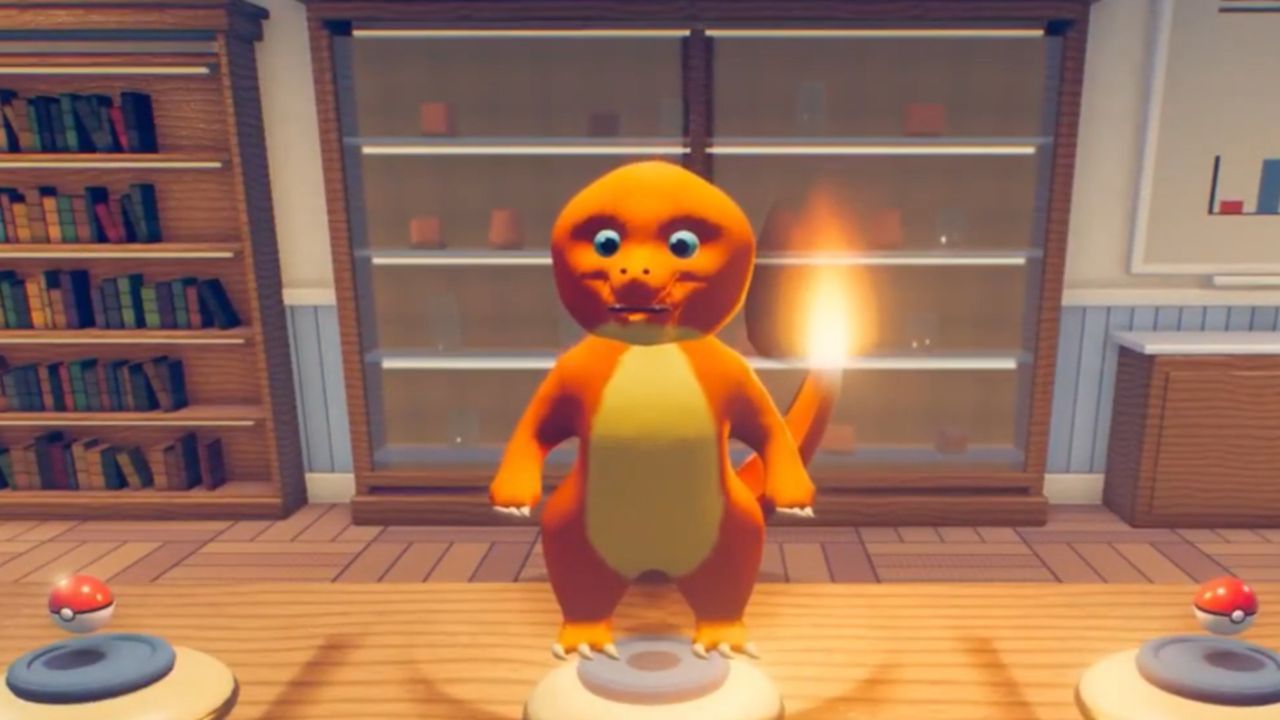
The viral content featured a 3D reconstruction of Pallet Town and Professor Oak’s lab viewed from a first-person perspective. Initially, the environment looked dreary and soulless. However, as the virtual camera moved into Professor Oak’s laboratory, the nightmarish effects escalated dramatically, revealing an image that left viewers reeling.
The real shock factor emerged with the generated Pokémon themselves: Bulbasaur, Charmander, and Squirtle. These digital companions were not merely altered; they appeared grotesquely distorted. The creatures bore expressions and features that were deeply unpleasant—a chilling blend of innocence warped into something unsettling and frankly nauseating.
The reaction from those who witnessed the AI’s output was one of profound distress. For some, the images felt like a visceral assault on their lifelong connection to the franchise. One user described the experience as traumatic, struggling to reconcile the familiar, beloved characters with their monstrous digital forms.
The source of this surreal creation was traced back to powerful generative AI models, specifically Claude AI, which synthesized the visuals from a simple prompt provided by an internet personality known as “AI whisperer” Matt Shumer. The remarkable detail lay in the fact that Claude generated every single pixel and element from scratch, without relying on any custom assets.
This technological leap—the ability of an AI to conjure such vivid, disturbing imagery based purely on text—raises profound ethical questions about ownership, reality, and authenticity. When technology can so effortlessly generate deeply unsettling content, we must pause and consider what it means for the digital world we inhabit.
The disturbing nature of the AI’s output extends beyond mere aesthetics. It touches upon a deeper existential fear: could these generated entities one day transition from lines of code into something tangible? The realization that creatures like AI Charmander or Bulbasaur could somehow become “real” if allowed, underscores a critical point: there are limits to what we can unleash when pushing the boundaries of artificial creativity.
Buy on Amazon
Credit