
Anbernic RG SP the retro handheld hero under $60
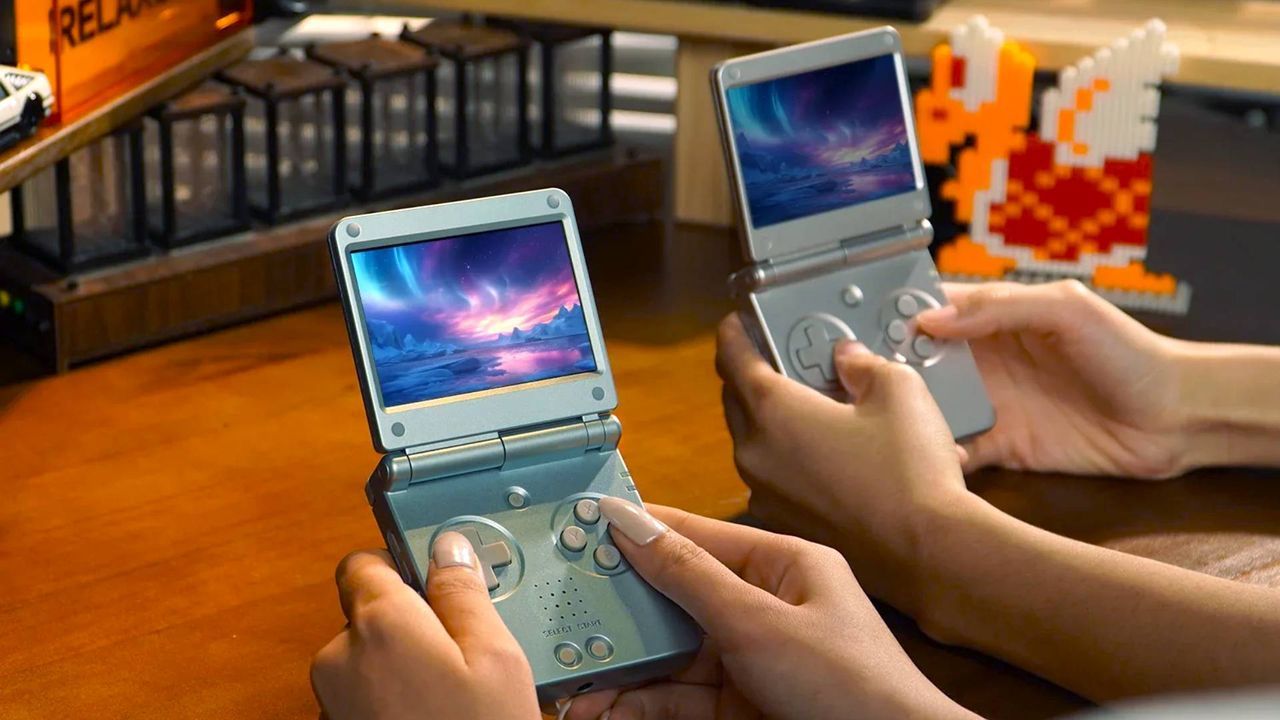
The world of retro handhelds is currently facing a fascinating paradox: while the demand for new portable gaming hardware is soaring, the cost of essential components seems determined to climb. Yet, amidst this market turbulence driven by AI component demand, some creators are managing to hold onto sensible pricing, offering consumers a lifeline in the pursuit of nostalgic gaming.
Consider the GBA clone market, where options abound. If you’re looking for an alternative to waiting for bigger releases, there are plenty of choices available. For example, portable devices like the Ayaneo Pocket Advance have launched pre-orders at competitive prices, setting the stage for future price adjustments as demand shifts.
But the real story lies in how manufacturers navigate these escalating costs. Take the Anbernic RG SP, which has made a significant splash by holding its price point below $60. This is particularly noteworthy when comparing it to standard market expectations. While full MSRPs for similar handhelds might be around $64.99, the Anbernic model sits at a highly attractive $57.99 due to early bird discounts.
This strategy of maintaining affordability amidst component shortages is crucial. It contrasts sharply with other market segments where even modest devices have faced price hikes. For instance, even smaller portable options, like the Super Pocket or Blaze’s Evercade cart-wielding handheld, have experienced increases due to rising costs across manufacturing components and freight.
The larger issue is the pressure placed on all makers by the component demand that fuels the entire industry. It’s not just one specific part causing trouble; it’s a systemic issue rooted in production demands that impacts every device. This context makes Anbernic’s effort to keep its handhelds under $60 particularly commendable.
This commitment to sensible pricing suggests a focus on core, affordable offerings rather than chasing the highest-end specs everywhere. It demonstrates a mature approach where makers balance innovative hardware, like the premium Anbernic RG Cube, with keeping their entry-level options accessible and competitively priced.
Ultimately, this landscape reinforces the idea that supporting handheld makers who prioritize sensible pricing is vital. They are successfully demonstrating that even when supply chains tighten and costs escalate, there is still room to create engaging, affordable experiences for retro gamers.
If you’re keen on exploring the possibilities, it’s time to swing by the best retro consoles for emulation machines, authentic remakes, and more. The journey into portable gaming remains full of exciting opportunities.
Buy on Amazon
Credit