
Arkham Asylum shattered the licensed game era
Not every creative storm hits the bottle right away. In the world of video game development, sometimes it takes time, and often a few less-than-stellar projects, before true lightning strikes. This pattern is visible across the industry: studios that eventually become legends often start by making games that only earn a middling score. Take Treyarch, for instance, which gained prominence through licensed superhero titles before forging an unbreakable partnership with Infinity Ward on Call of Duty.
A similar journey unfolded for UK-based Rocksteady. Before they became development superstars thanks to the Batman: Arkham trilogy, the studio had released a first-person action game in 2006 called Urban Chaos: Riot Response. It was a solid entry, but it wasn’t the masterpiece that followed.
The transition from average to extraordinary—from Urban Chaos to the celebrated Batman games—is a fascinating story of creative evolution. What happened behind the scenes allowed that team, led by director Sefton Hill, to ascend to such heights? Whatever the mechanism, their eventual output proved that they were capable of delivering some of gaming’s most enduring and acclaimed franchises.
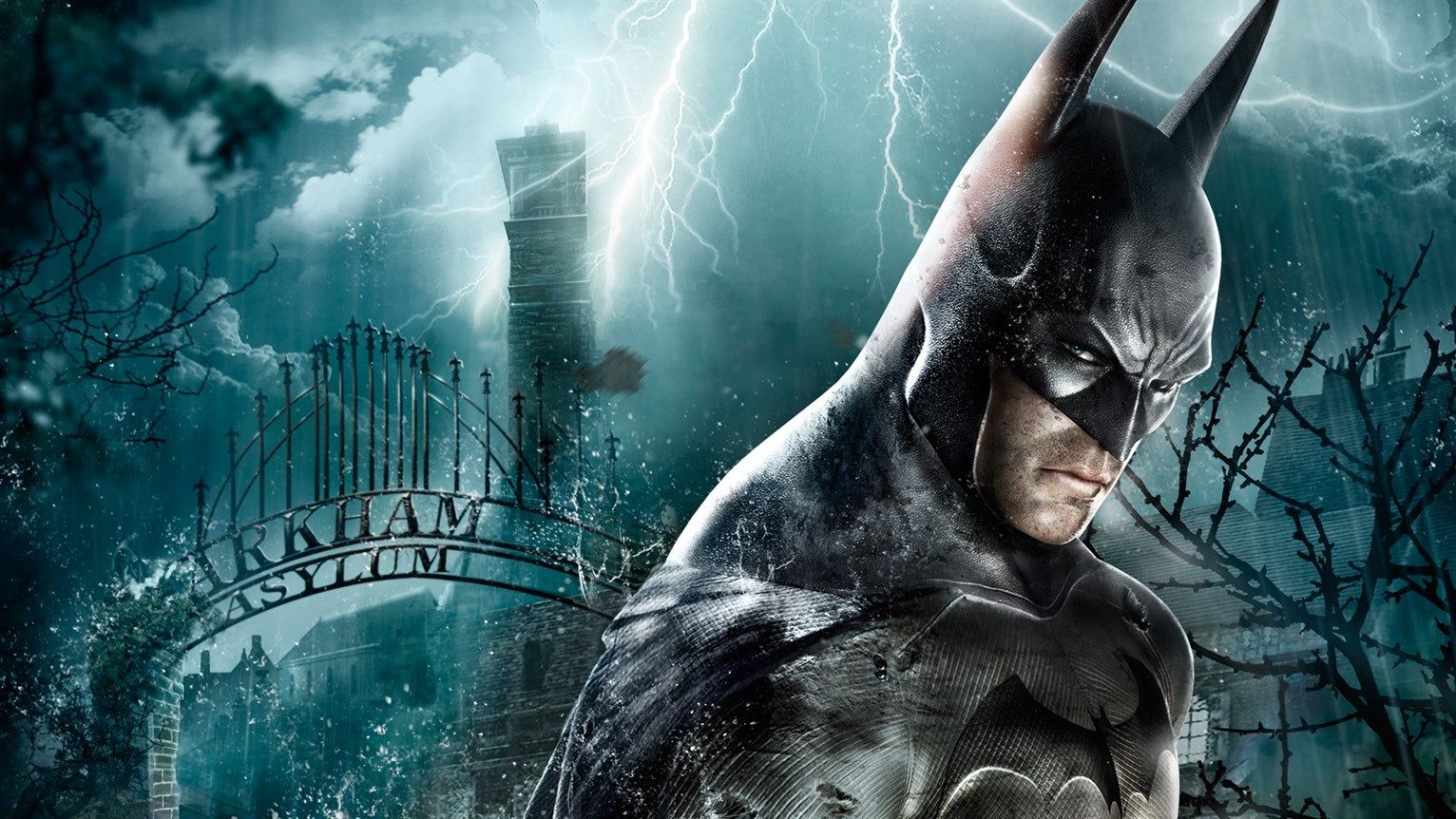
The real shift arrived with Batman: Arkham Asylum. This game was more than just a successful installment; it was a fundamental rewrite of comic-book video game conventions. It demonstrated an unparalleled mastery of design, blending gritty art direction with innovative gameplay that solved complex puzzles, pushing players into the role of Batman in ways no other title had before.
Technically, the game was stunning. Utilizing Unreal Engine 3, Rocksteady paired phenomenal graphical grunt with masterful art direction to create an atmosphere that felt grittier and more mature than the animated series—a brilliant realization of Gotham’s darker tone. This visual achievement set a new benchmark for what a console game could look like.
Adding another layer of brilliance were the performances. Casting legendary voice actors Kevin Conroy and Mark Hamill brought an undeniable weight and authenticity to the universe. They legitimized the world they built, transforming the characters into a darker, more adult Batman narrative that resonated deeply with fans.
While subsequent entries in the series faced some minor criticisms regarding pacing, neither Arkham Asylum nor its sequel, Arkham City, can be faulted for their quality. They stand as monumental achievements that defined an era.
In the end, Batman: Arkham Asylum proved its worth by fundamentally changing the landscape of superhero gaming. It laid the groundwork for the entire Arkham series, establishing a legacy that continues to hold up remarkably well even now, decades after its release. It remains an undeniable cornerstone in the history of interactive storytelling.
Buy on Amazon
Credit