
Beast of Reincarnation combat: Slick or Uninspired
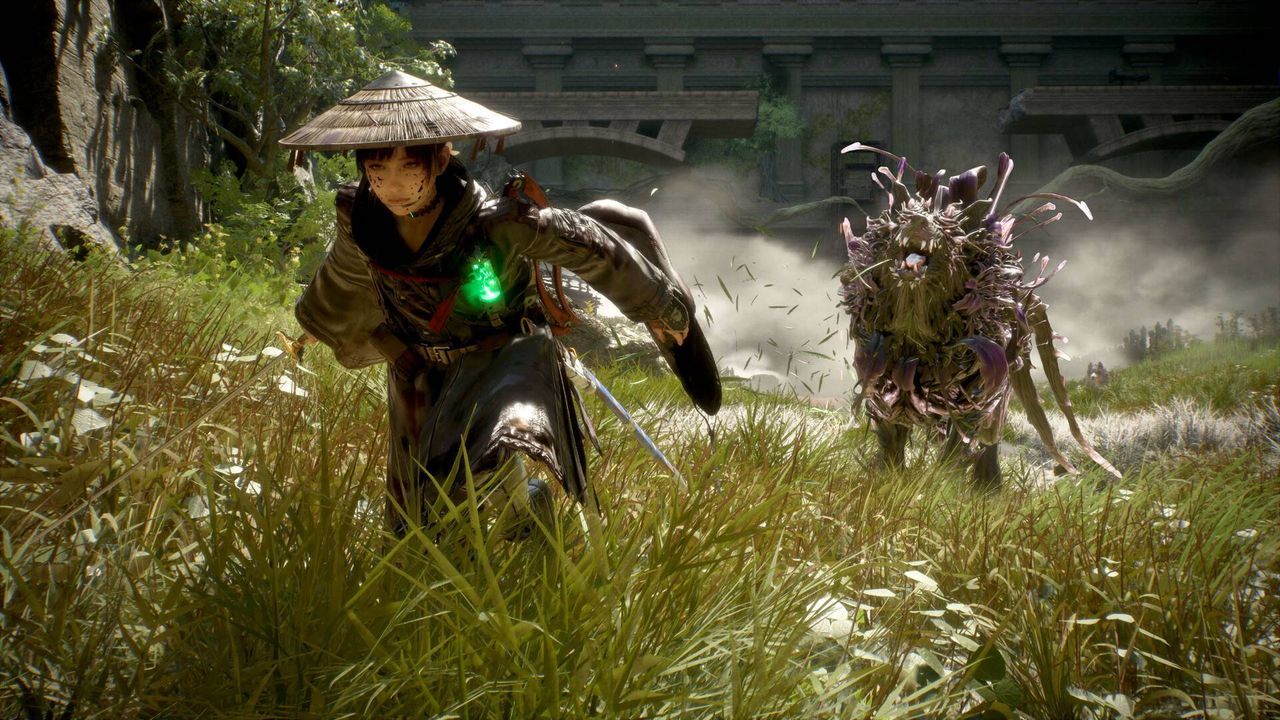
When Game Freak unleashed Beast of Reincarnation, the action RPG world held its breath. As a major offering from the Pokémon developers—a studio known for crafting beloved monster-collecting experiences—this title promised something radically different: post-apocalyptic grit, photorealistic visuals, and intense, visceral combat. The result? A game that has ignited a fierce debate among critics and players, leaving us with a deeply polarized view of what happens when style meets substance.
The sheer ambition of the project immediately drew attention. Moving beyond the established stylized aesthetics of the Pokémon franchise, this title attempted to inject a level of realism and action combat that felt genuinely cutting-edge. Fans quickly spotted similarities to titans of the genre, prompting comparisons to games like Sekiro and Monster Hunter, suggesting Game Freak was aiming for a high bar in immersive action gameplay.
For those who embraced this shift, the praise was immediate and effusive. Some critics hailed the combat system as a masterpiece of innovation, noting that the blend of real-time and turn-based mechanics created a perfect, fluid experience. Reviews like Vice’s score of 9.5/10 praised the combat for being not just innovative, but genuinely fun, recognizing a masterful balance between skill and flow.
Similarly, outlets such as GamesRadar+ awarded the game a 9/10, highlighting its scope and thoughtful design. They suggested that while the narrative required deep engagement from the player, the mechanics delivered on a rewarding framework for crafting a personalized build.
However, not all voices agreed with this optimistic assessment. The road to critical consensus proved far more complex, as some reviewers found elements of the game lacking cohesion. Publications like VGC and Eurogamer offered a cooler perspective, assigning scores of 6/10, pointing out perceived shortcomings in the setting and story.
These critics felt that the vision was somewhat unoriginal, questioning the novelty of the post-apocalyptic setting and the variety of enemies presented. The core conflict emerged: whether the game successfully integrated its ambitious action mechanics with a compelling narrative or if it merely layered exciting mechanics over an uninspired foundation.
The player experience mirrors this critical split. Early Steam reviews, reflecting the wider community’s mood, settle on a decidedly mixed rating. While some players celebrated the slick movement and dynamic combat, praising aspects like the vertical and horizontal ‘hair’ movement that opened up new tactical possibilities, others found the action repetitive.
One set of players felt the combat was flat and unrewarding, describing sword impacts as feeling disappointingly dull. This contrasted sharply with those who adored the fluidity of the fight. It seems Beast of Reincarnation is less a single experience and more a collection of distinct philosophies colliding on the screen.
Ultimately, while Game Freak may not have landed the universally perfect blockbuster they hoped for in this endeavor, the game has succeeded in sparking a necessary conversation. It forces us to weigh technical innovation against narrative depth, leaving the audience to decide which vision—the exhilarating action or the deep story—will ultimately define this new era of Pokémon-inspired adventure.
Buy on Amazon
Credit